
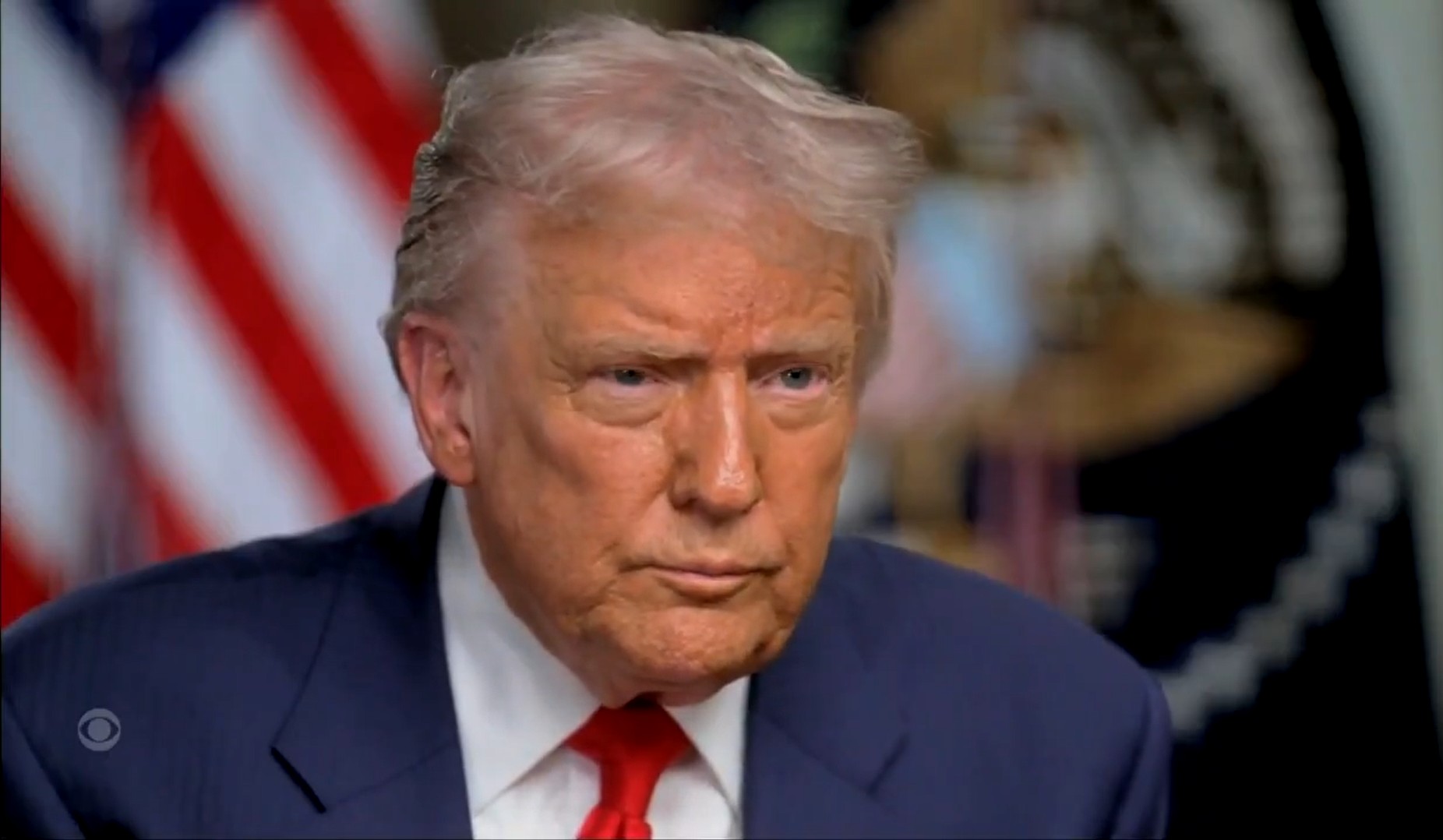

On Thursday the U.S. Senate delivered a rare and politically painful rebuke to President Trump, as a bipartisan group of lawmakers advanced a resolution aimed at curbing his use of military force in Venezuela. The move, spearheaded by Democratic Sen. Tim Kaine, D-Va., marks a significant assertion of congressional war powers after controversial military actions in South America sparked deep concern on Capitol Hill.
The Senate voted 52-47 to advance the war powers resolution, a procedural but important first step that could eventually constrain the president’s ability to conduct future military operations against Venezuela without explicit authorization from Congress. The measure now faces the tougher hurdle of a 60-vote threshold to overcome a filibuster and still would need approval from the House and a presidential signature to become law.
What made Thursday’s vote especially notable was the number of Senate Republicans who broke ranks with their own party and with the president. Alongside all Senate Democrats, five GOP senators: Rand Paul of Kentucky, Lisa Murkowski of Alaska, Susan Collins of Maine, Todd Young of Indiana and Josh Hawley of Missouri, supported the resolution, citing constitutional concerns over unchecked executive authority.
Most Senate Republicans had backed President Trump’s actions, including a surprise raid earlier this month that resulted in the capture of Venezuelan leader Nicolás Maduro, who has since faced federal charges in the U.S. The White House and GOP leadership argued the operation was justified, portraying it as a law-enforcement mission against a foreign national who had evaded justice.
Still, several of the defecting Republicans made clear their vote was not a rejection of the operation itself but a demand for clearer limits on future involvement. Sen. Hawley and others said they were concerned the U.S. might escalate or expand its footprint in Venezuela or even beyond without adequate oversight.
President Trump responded angrily on social media, blasting the GOP defectors and warning that their votes “hamper American self-defense and national security,” insisting that the War Powers Act itself is unconstitutional. His sharp rebuke underscores the political stakes for Republicans who defy Trump’s agenda.
While the resolution is unlikely to become law given a near-certain presidential veto and limited support in the House, the very fact that a group of Republicans joined Democrats to constrain the president’s military authority is significant. It highlights growing unease in Congress over executive power and suggests lawmakers are pushing back against unilateral military decisions, especially amid questions about long-term U.S. involvement in Venezuela.
Leave a Comment