

It finally happened. After years of stonewalling, redactions, and “nothing to see here” energy from the Justice Department, some actual names were read into the Congressional Record.
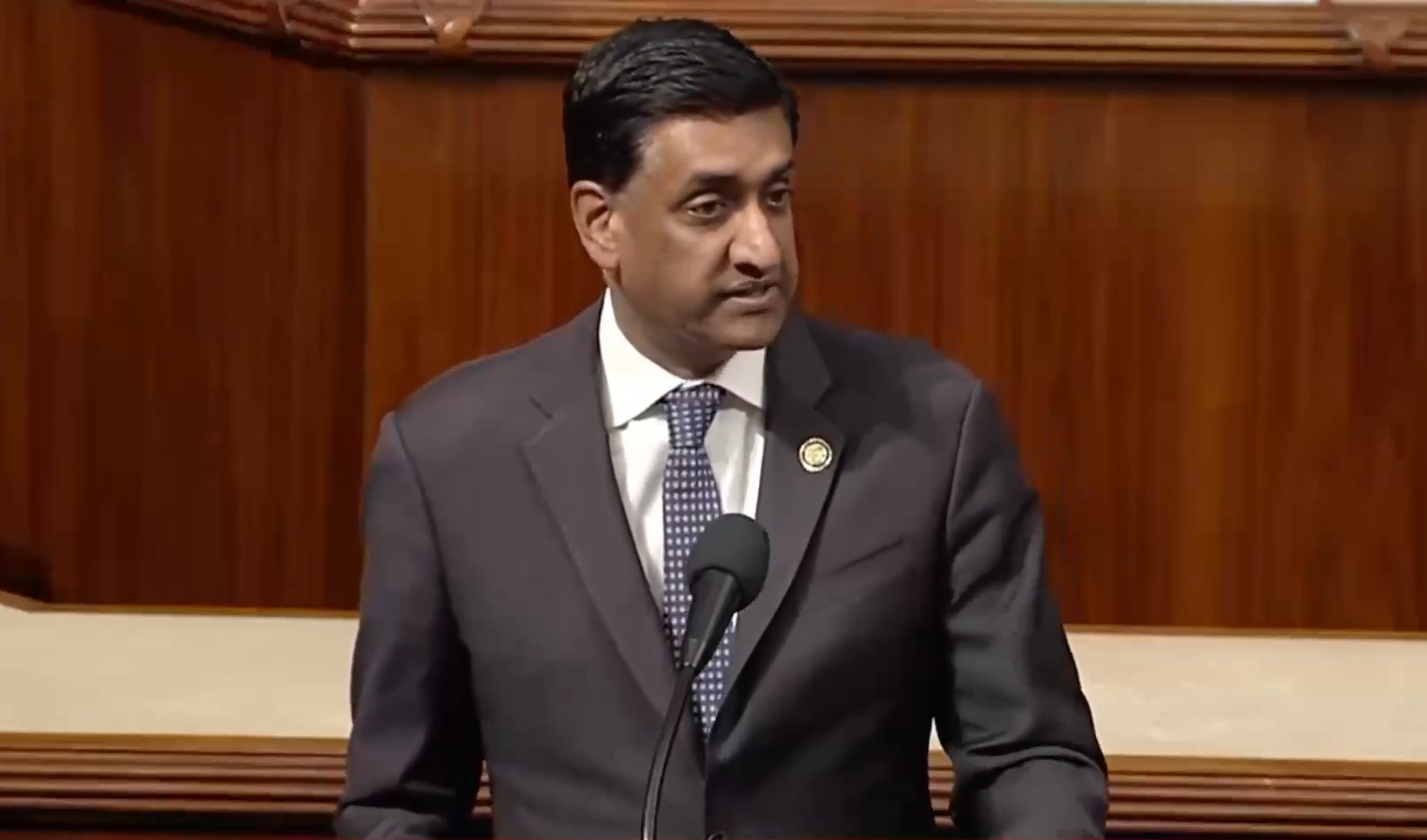
Democrat Representative Ro Khanna of California stood on the House floor and publicly disclosed six men whose names had been redacted from the Jeffrey Epstein files. Yes, you read that correctly. A Democrat and a Republican teamed up to push this into the light.
According to Khanna, “Rep. Thomas Massie and I forced last night the DOJ to disclose the identities of 6 men.” He then read the names aloud: Salvatore Nuara, Zurab Mikeladze, Leonic Leonov, Nicola Caputo, Sultan Ahmed Bin Sulayem, and Leslie Wexner.
Those names had previously been blacked out by the Justice Department in documents tied to Epstein’s criminal activity. The DOJ had recently granted Congress access to unredacted files, and within a week, Rep. Thomas Massie and Khanna signaled they might take the dramatic step of reading the names publicly. On Tuesday afternoon, Khanna followed through.
This entire chain of events traces back to the Epstein Files Transparency Act, which President Trump signed into law last year. The House overwhelmingly passed the bill, with only one Republican, Rep. Clay Higgins of Louisiana, voting against it. Higgins cited privacy concerns for Epstein’s victims, a position that at least acknowledged the sensitivity of the case. The Senate later approved the bill by unanimous consent.
After President Trump signed the measure, Manhattan Judge Richard Berman unsealed documents connected to the 2019 grand jury indictment charging Jeffrey Epstein with sex trafficking offenses, as well as the June 2020 grand jury indictment of Ghislaine Maxwell on multiple counts related to trafficking and coercion of minors.
In a court filing reviewed by The Gateway Pundit, officials wrote, “Since July 6, 2025, there has been extensive public interest in the basis for the Memorandum’s conclusions. While the Department of Justice and Federal Bureau of Investigation continue to adhere to the conclusions reached in the Memorandum, transparency to the American public is of the utmost importance to this Administration.”
That is quite a shift in tone from the years of secrecy that surrounded this case.
The Epstein scandal has long raised questions about powerful individuals, elite networks, and whether accountability applies equally to everyone. For too long, Americans were told to accept redactions and trust the process. Now, at least in part, the curtain is being pulled back.
When members of Congress feel compelled to read names into the record themselves, it tells you something about the level of frustration. Transparency should not require procedural brinkmanship. It should be the default, especially in a case involving trafficking and abuse of minors.
The American public deserves clarity, not selective disclosure. If laws are going to mean anything, they must apply across the board, regardless of wealth, status, or connections.
Leave a Comment