
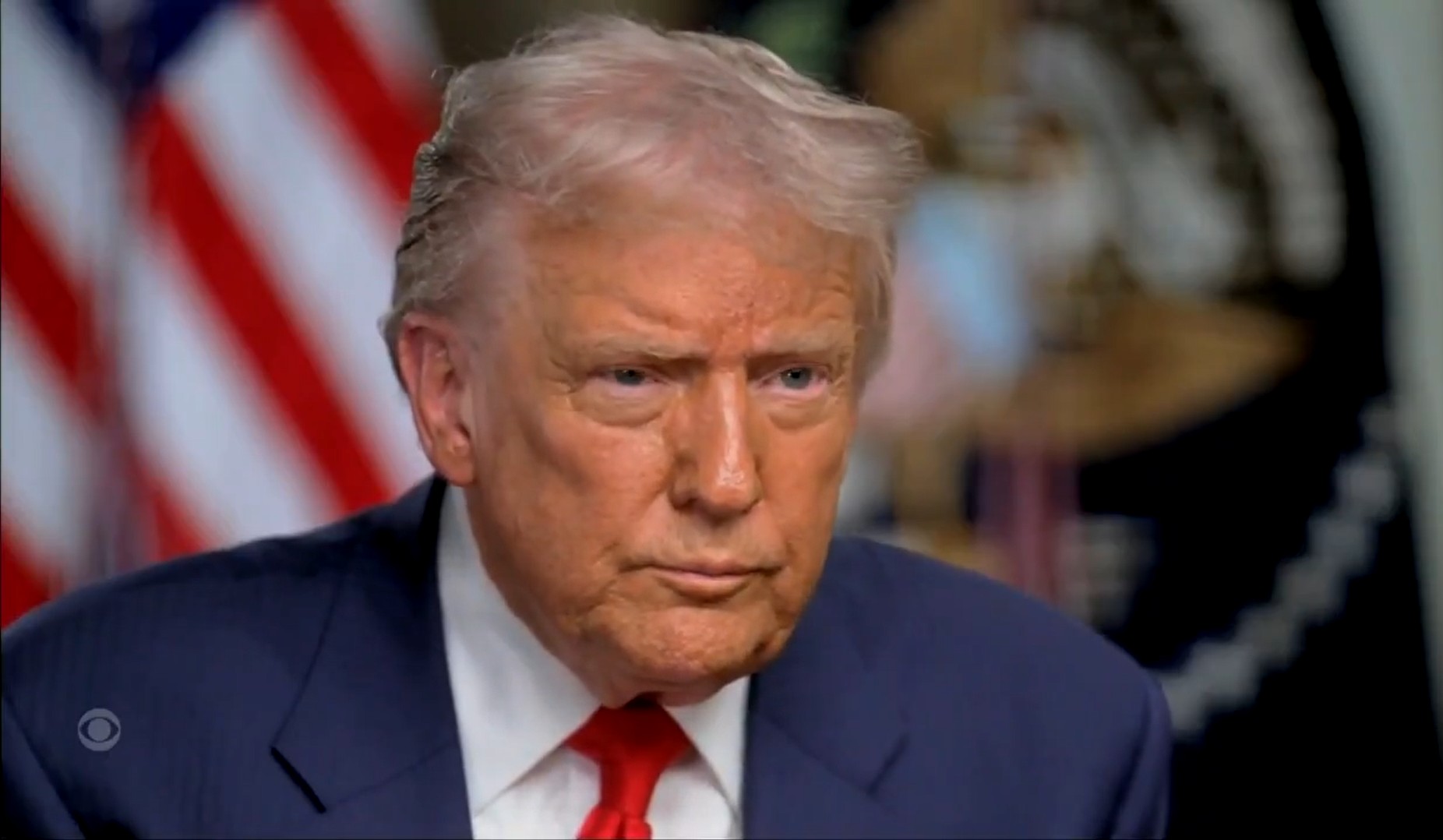

That did not take long. President Trump’s administration fired a newly sworn in U.S. attorney for the Northern District of New York just hours after he took the oath of office. If you blinked, you missed it.
The board of judges for the U.S. District Court for the Northern District of New York had appointed Donald T. Kinsella to serve as U.S. attorney, citing their authority under 28 U.S.C. § 546(d). He was officially sworn in on Wednesday. By the end of the same day, he was out.
Deputy Attorney General Todd Blanche made the announcement on X, and he did not sugarcoat it. “Judges don’t pick U.S. Attorneys, @POTUS does. See Article II of our Constitution. You are fired, Donald Kinsella,” Blanche wrote.
That is about as direct as it gets.
The court responded Thursday with a statement explaining that it had exercised its authority to fill a vacancy, pointing to both federal statute and Article II, Section 2, Clause 2 of the Constitution, which allows Congress to vest appointment powers in the courts of law. The statement added that Deputy Director of Presidential Personnel Morgan DeWitt Snow notified Kinsella he was removed as the judicially appointed U.S. attorney, without explanation.
The court thanked Kinsella for his “willingness to return to public service” and praised his years of work. But the larger constitutional tug of war was already underway.
Here is the reality. U.S. attorneys are executive branch officials. They prosecute federal crimes on behalf of the United States. While courts can make temporary appointments under specific statutory authority, the president ultimately holds the power to nominate and, through his administration, remove those officials. That is not a gray area. It is basic separation of powers.
This sudden firing came amid another shake up at the Department of Justice. Gail Slater, President Trump’s antitrust chief, was also fired. According to Fox News, Slater’s removal stemmed from concerns that she was not aggressively pursuing the administration’s affordability agenda. She had reportedly clashed with Attorney General Pam Bondi and national security officials over a proposed settlement involving Hewlett Packard Enterprise and Juniper Networks. The dispute became so heated that it fractured her relationship with DOJ leadership and even led to the ouster of two of her deputies.
Slater announced her departure on X, calling it the “honor of a lifetime” to serve.
What this all signals is simple. President Trump is not hesitating to assert executive authority. Whether it is a U.S. attorney appointed by judges or a top antitrust enforcer who falls out of step with leadership priorities, the message is clear. If you are serving in the executive branch, you answer to the president.
In Washington, that kind of clarity tends to rattle people.
Leave a Comment