
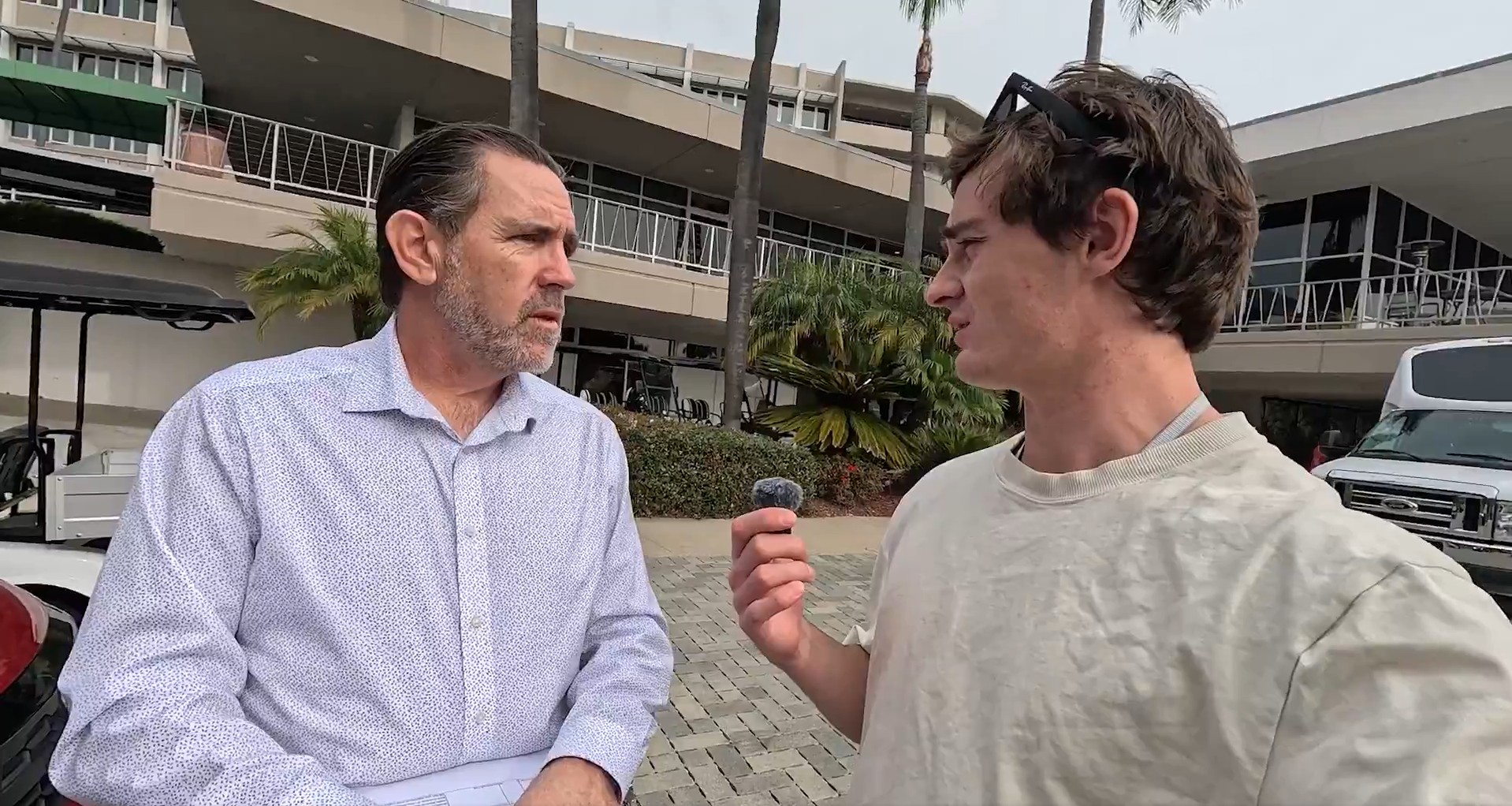

California’s election system is back under scrutiny after investigative reporter Nick Shirley traveled to the state to examine its voter rolls firsthand. What he found, according to his reporting, raises serious questions about how tightly the state safeguards its elections.
California does not require voter ID at the polls, conducts widespread mail in voting, and allows ballot harvesting and ballot curing. Elections can stretch on for weeks after Election Day as ballots continue to be counted. Supporters call it accessible. Critics call it chaotic.
Shirley set out to test the integrity of voter roll addresses listed in publicly available records. Visiting multiple locations tied to registered voters, he reported that not one site could confidently verify the individuals listed as registered there.
Among the issues he documented were irregular voter counts at certain addresses, more than 30 people registered to a single mailbox store, and voter records listing individuals as being 125 years old.
That last detail may raise eyebrows, but it echoes past controversies. In 2023, 62 year old Laura Lee Yourex of Costa Mesa was arrested and charged with illegally registering her dog to vote and casting mail in ballots in the dog’s name during the 2021 recall election of Governor Gavin Newsom and the 2022 primary. According to Orange County District Attorney Todd Spitzer, the dog’s ballot was successfully counted in the 2021 recall before being rejected in the 2022 primary.
Cases like that are often described as isolated. Critics argue they reveal deeper weaknesses.
“Without any voter ID and negligence from the state government to update their voter rolls, California’s one party state has created a complex system where fraud is inevitable in their voting process,” Shirley said in a video documenting his findings.
Meanwhile, legal battles are brewing. Harmeet Dhillon, now serving as Assistant Attorney General for the Civil Rights Division, recently filed a lawsuit against Orange County Registrar of Voters Robert Page. The suit alleges the office refused to provide records showing whether non citizens are registered to vote and receiving ballots in federal elections.
California officials have long defended their system, saying safeguards are in place and that instances of fraud are rare. But critics argue that transparency and clean voter rolls are foundational to public trust.
The broader debate is not going away. As long as the state maintains expansive mail in voting without voter ID requirements, questions about verification and oversight will persist.
At minimum, Shirley’s investigation underscores one simple point. When basic voter roll data raises red flags, dismissing concerns outright is not the same thing as answering them.
Leave a Comment