

Director of National Intelligence Tulsi Gabbard just walked into a Senate hearing room and delivered the kind of warning that should snap Washington out of its usual political food fight, but probably won’t. The 2026 Annual Threat Assessment lays it out in plain terms, the missile threat to the United States is not just growing, it is accelerating at a pace that ought to make even the most distracted lawmaker pay attention.
We are not talking about some distant hypothetical either. According to the intelligence community, the number of missiles capable of reaching the U.S. homeland could jump from over 3,000 today to more than 16,000 by 2035. That is not a rounding error. That is a fivefold increase in less than a decade, driven by multiple countries all racing to expand and modernize their arsenals at the same time.
And here is the part that should really stand out, this is no longer just about Russia or China. The report lumps together China, Russia, North Korea, Iran, and Pakistan as active players in building missile systems that could threaten American soil. That is a pretty wide circle of concern, and it tells you something important about the direction of global security. The club of countries with serious long-range strike capability is getting bigger, not smaller.
Gabbard put it bluntly, saying these nations are developing “an array of advanced missile delivery systems with nuclear and conventional payloads that put our homeland in range.” That is not political spin, that is the collective judgment of the intelligence community. When they start using language like that, it is usually because the data behind it is hard to ignore.
North Korea is already there, at least in terms of capability. The regime has tested intercontinental ballistic missiles that can reach anywhere in the United States. That used to sound like a headline designed to grab attention. Now it is just part of the baseline threat environment.
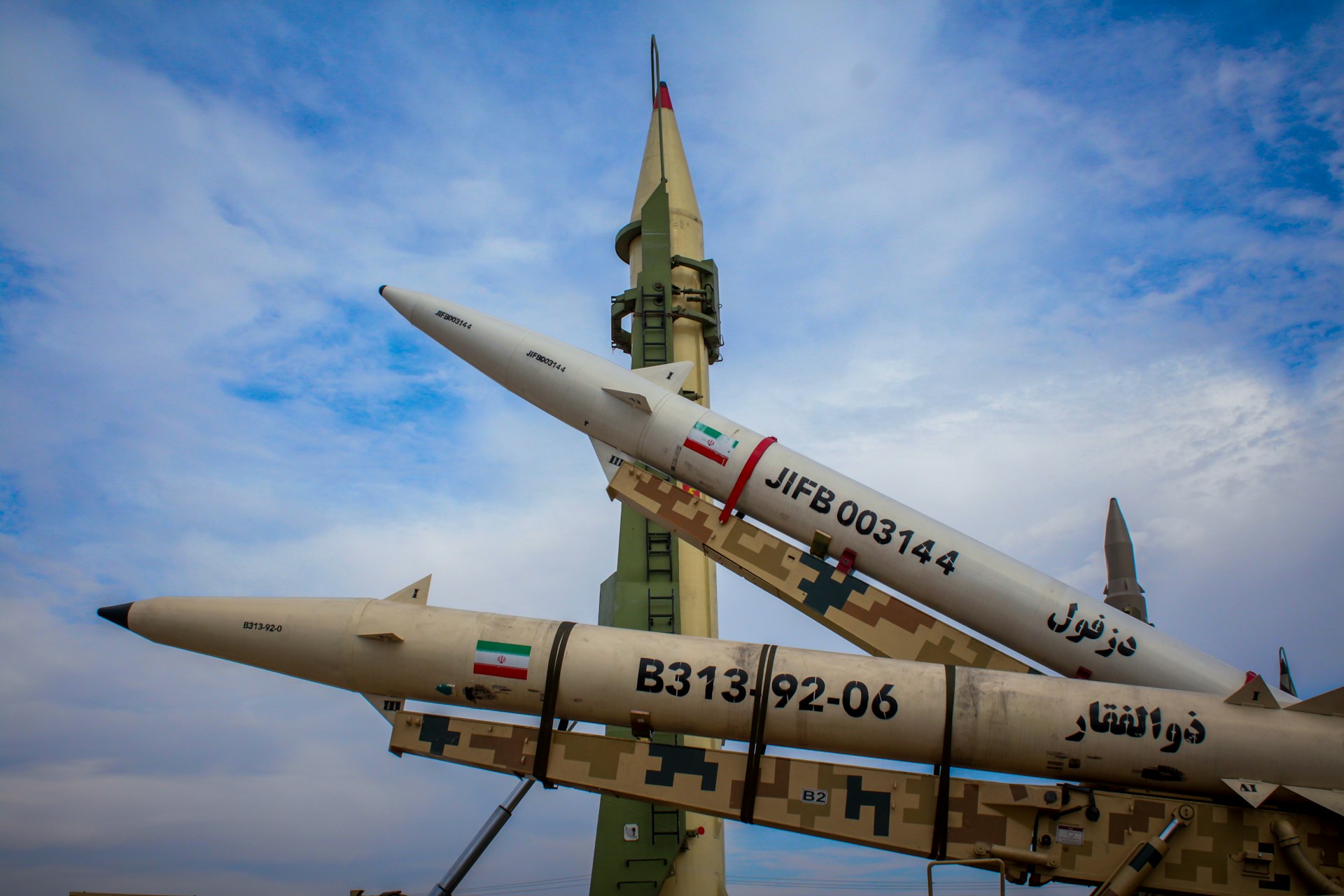
Iran is a little more complicated, but not exactly comforting. The report notes that while Iran does not currently have an ICBM that can hit the U.S., it has developed space-launch technology that could be adapted into one by 2035. In other words, the groundwork is already in place if Tehran decides to take that next step.
What makes all of this even more concerning is not just the number of missiles, but how they are being used and developed. Adversaries are combining high-end systems with cheaper tools like one-way attack drones. That layered approach is designed to overwhelm defenses, forcing the U.S. to deal with multiple types of threats at once instead of a single incoming missile.
This is where the policy debate gets real. Missile defense is no longer just about stopping a rogue launch. It is becoming a central piece of deterrence, and potentially a factor in whether conflicts escalate or are avoided altogether. Systems like the proposed “Golden Dome for America” are not just defensive shields, they influence how other countries calculate risk.
Of course, rival nations are watching closely. China in particular is expected to view expanded U.S. missile defense as a shift in the strategic balance, possibly lowering Washington’s hesitation to act in a crisis. That kind of perception can trigger even more buildup on their side, which turns the whole situation into a feedback loop.
So while Washington argues about budgets and priorities, the rest of the world is busy building the kind of capabilities that make those arguments look increasingly out of touch. The threat is not standing still, and neither are the countries developing it.
Leave a Comment