
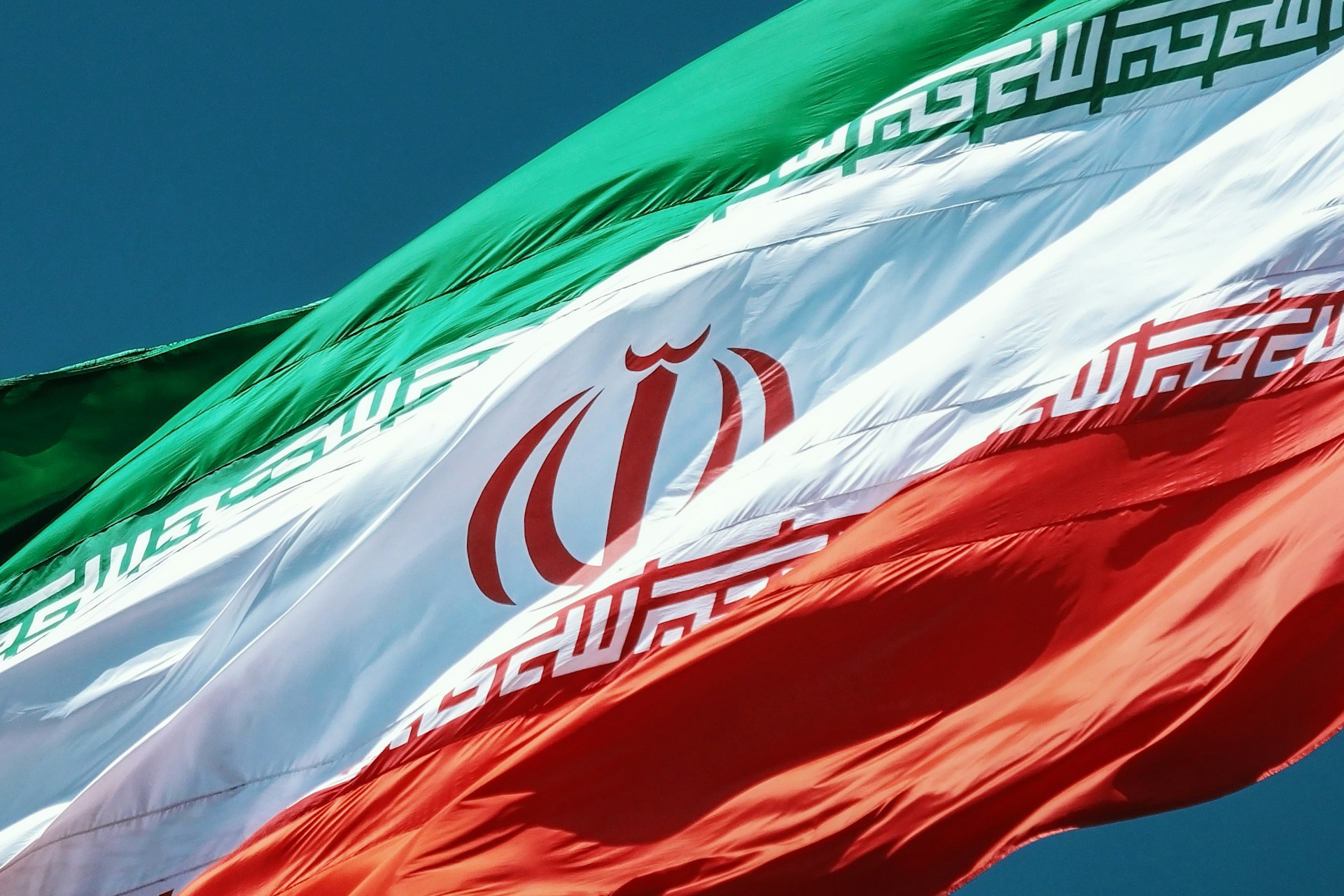

Iran just looked at President Trump’s 15-point peace plan and essentially said, “no thanks, we’ll take it from here.” That alone should tell you everything about how serious Tehran is about actually ending anything resembling a conflict. Instead of engaging with a framework designed to de-escalate tensions, Iran responded with its own list of demands, and let’s just say, these aren’t exactly the kind of conditions that lead to a handshake and a photo op.
According to reports from Iranian state media, the regime flat-out rejected the U.S. proposal and rolled out a set of requirements that reads more like a victory speech than a negotiation starting point. Among them, Iran is demanding a complete halt to what it calls “aggression and assassinations,” ironclad guarantees that war will never be “reimposed,” and, of course, payment of damages and reparations. Because nothing says “we’re ready for peace” like sending the other side a bill.
They didn’t stop there. Iran also insists on recognition of its sovereignty over the Strait of Hormuz, one of the most strategically critical waterways on the planet. That’s not a small ask. That’s like handing over leverage in global energy markets and hoping everything works out fine afterward. History suggests that kind of optimism is usually misplaced.
And then comes the kicker. Iranian officials made it clear they’re not interested in a ceasefire right now. A source speaking through state channels said it would be “not logical” to negotiate with parties they accuse of violating agreements. Translation, they’ll decide when the war ends, and only on their terms. That’s not diplomacy, that’s dictation.
Meanwhile, there’s a growing push to bring in new faces for potential negotiations. Pakistan’s Prime Minister Shehbaz Sharif has floated the idea of hosting talks, even suggesting that Vice President JD Vance take the lead for the U.S. side. Notably, Iran has already signaled it won’t deal with certain figures tied to President Trump, including past negotiators. So now the conversation isn’t just about ending a war, it’s about who Iran is willing to tolerate in the room.
All of this points to a pretty obvious reality. Iran isn’t negotiating in good faith, at least not in any traditional sense. When one side rejects a detailed peace proposal and replaces it with demands that require major concessions before talks even begin, that’s not a pathway to peace. That’s a stall tactic dressed up as diplomacy.
President Trump’s approach, whatever critics want to say, at least put forward a structured plan aimed at de-escalation. Iran’s response, on the other hand, signals they believe time and pressure are on their side. Whether that calculation holds up is another question entirely.
What’s clear is this, the gap between the two sides isn’t narrowing anytime soon. And until someone decides to deal in reality instead of ultimatums, this situation isn’t heading toward resolution. It’s heading toward more of the same.
Leave a Comment