
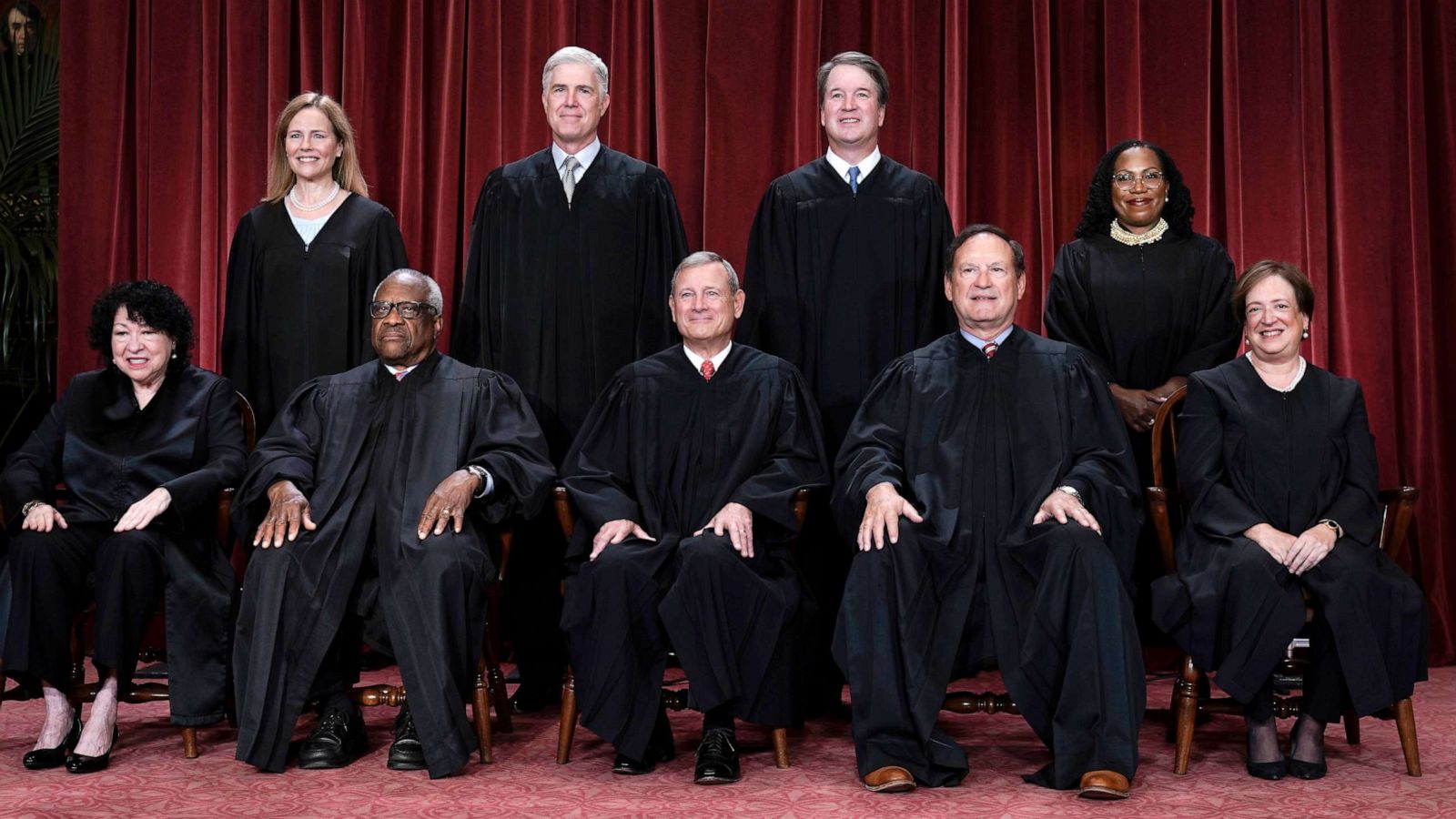

The Supreme Court of the United States just handed down a ruling that is going to send shockwaves through a whole lot of state legislatures, and not in the way progressive activists were hoping. In an 8-1 decision, the court struck down Colorado’s ban on so-called “conversion therapy” for minors, siding with a Christian counselor who argued the law crossed a very clear constitutional line.
Let’s translate what actually happened here, because the headlines are already spinning. The court did not suddenly endorse every practice critics like to lump under that loaded label. What it did say is that the government does not get to regulate speech just because it does not like the viewpoint, especially when that speech is tied to religious beliefs.
Kaley Chiles, the counselor at the center of the case, argued that Colorado’s law blocked her from offering voluntary, faith-based counseling to minors who actually want it. That last part matters. This was not about forcing anything on anyone. This was about whether a licensed professional can have certain conversations if those conversations do not line up with the state’s preferred ideology.
Colorado tried to argue that therapy is just “regulated health care,” as if that magically removes First Amendment protections. The court was not buying it. Talk therapy is, at its core, speech. If the government can dictate what can and cannot be said in a counseling session based on viewpoint, then congratulations, you just handed politicians the power to control conversations in one of the most personal settings imaginable.
And here is where things get interesting. The court did not simply toss the law and walk away. It sent the case back down, telling lower courts to apply strict scrutiny, the legal equivalent of putting a law under a microscope and asking whether it is narrowly tailored and absolutely necessary. Most laws fail that test. That is why this ruling has other states nervous.
This also continues a pattern. The court has been increasingly skeptical of laws that appear neutral on paper but end up targeting religious viewpoints in practice. With President Trump’s administration backing Chiles, it is another example of how those judicial appointments are still shaping outcomes years later.
Groups like Alliance Defending Freedom, which represented Chiles, have been stacking wins by framing these cases around free speech rather than just religious liberty. That strategy is paying off, and it is forcing courts to confront a simple question, does the Constitution protect speech only when it is fashionable?
Opponents will argue this opens the door to harmful practices. Supporters will counter that the real danger is giving the state power to silence certain viewpoints altogether. Either way, laws in roughly two dozen states just got a lot harder to defend.
If nothing else, this ruling makes one thing obvious. The debate over speech, religion, and cultural issues is not cooling down anytime soon, and the courtroom is where a lot of it will be decided.
Leave a Comment