
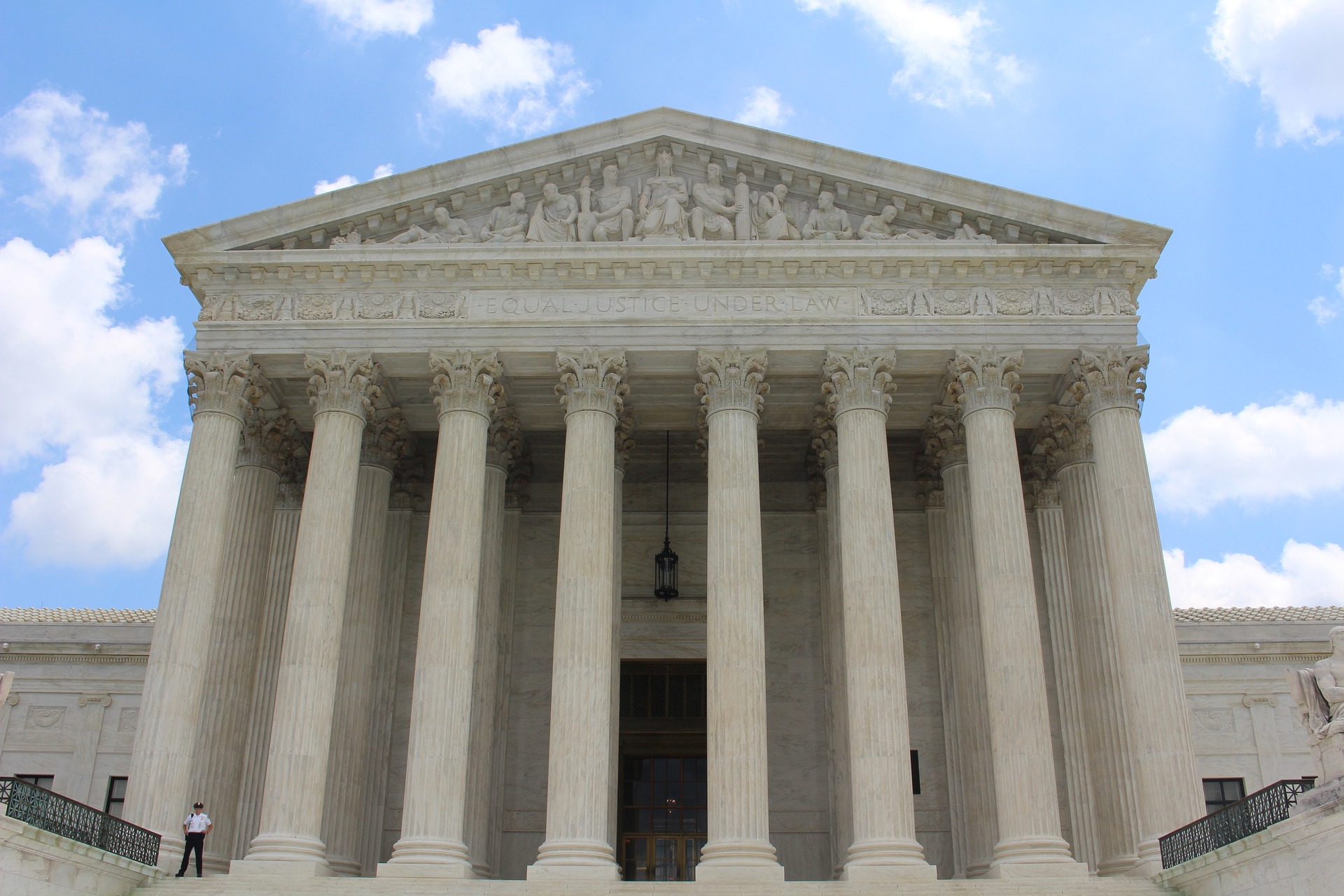

The fight over birthright citizenship is no longer some dusty constitutional debate for law school classrooms, it is front and center, and it is forcing the country to confront what citizenship actually means. The Supreme Court hearing in Trump v. Barbara made that painfully obvious, with President Trump himself sitting in the courtroom while lawyers argued over a single phrase in the 14th Amendment that has quietly shaped American identity for more than a century .
At the heart of this legal clash is the phrase “subject to the jurisdiction thereof.” For decades, that language has been treated like a rubber stamp, if you are born here, you are a citizen, end of discussion. The Trump administration is challenging that assumption, arguing that jurisdiction means something more than just being physically present. Their position is that citizenship requires actual allegiance to the United States, not just being born in a hospital within its borders .
That argument has critics clutching their pearls, claiming this is some radical rewrite of American tradition. But let’s be honest, the idea that anyone who happens to be born here automatically becomes a citizen, regardless of their parents’ legal status or allegiance, deserves scrutiny. The 14th Amendment was ratified in 1868 to correct the injustice of Dred Scott and secure citizenship for freed slaves, not to create a global loophole for modern immigration issues that the framers could not have imagined .
Opponents, including the ACLU, insist the amendment enshrined a simple geographic rule, what legal scholars call jus soli. But history is not nearly that tidy. Even figures involved in drafting the amendment suggested it excluded those who owed allegiance to foreign powers. That is not some fringe interpretation, it is rooted in the actual debates of the time.
The Supreme Court itself has not squarely addressed the exact scenario now at issue. The 1898 case United States v. Wong Kim Ark dealt with children of legal residents, not individuals in the country unlawfully. That distinction matters, no matter how much some want to blur it.
What makes this moment particularly interesting is the tension among the justices. Even those who tend to lean conservative raised concerns about whether an executive order is the right vehicle for such a significant shift. That skepticism is fair. Immigration policy and citizenship rules are not small administrative tweaks, they go to the core of national sovereignty.
Still, the broader issue is unavoidable. The United States has long stood apart from much of the world by embracing birthright citizenship. Meanwhile, countries like Britain, Ireland, and Australia have already adjusted their policies to reflect modern migration realities. The question now is whether America continues to treat citizenship as an automatic entitlement tied to geography, or as a meaningful bond tied to allegiance and law.
This is not just about legal theory. It is about incentives, borders, and whether the country maintains control over who becomes part of its future. The Court’s decision will not just interpret a clause, it will shape the next chapter of American identity.
Leave a Comment