
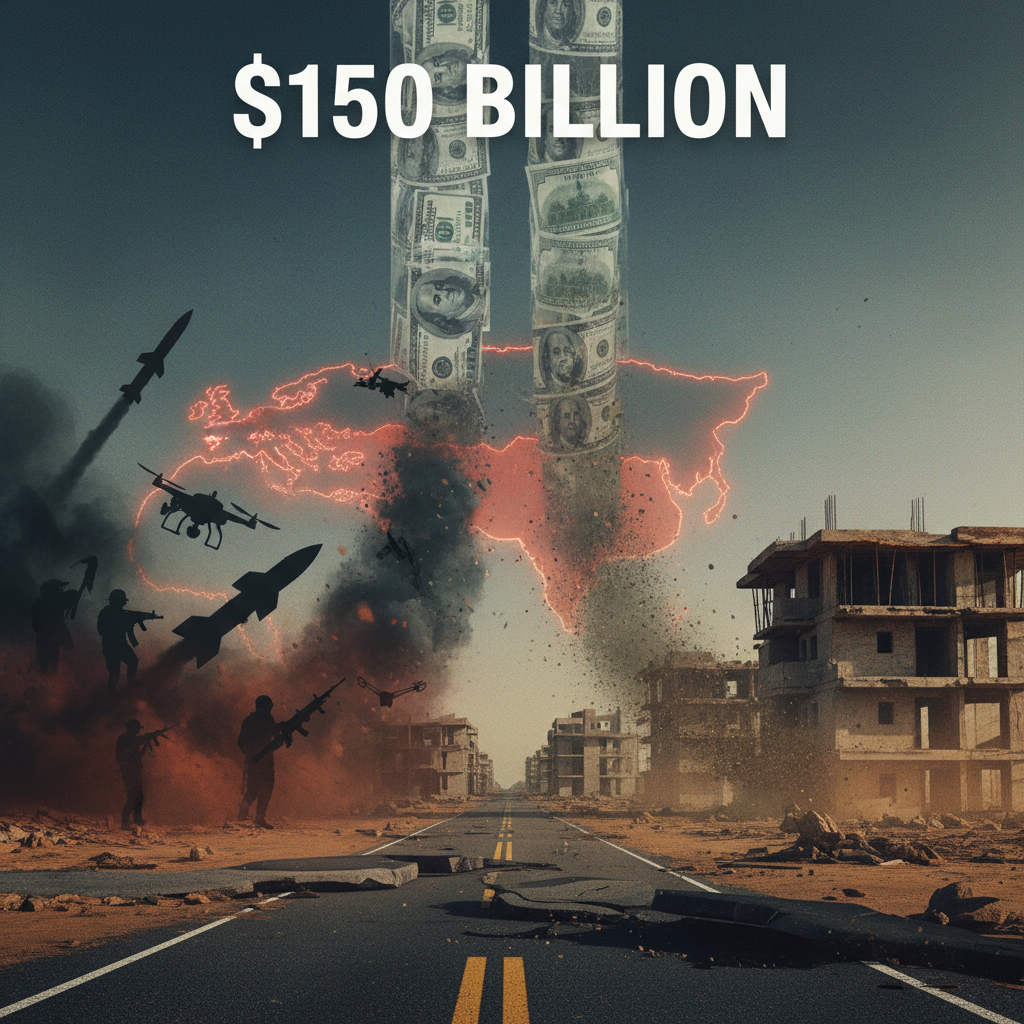

Saudi Crown Prince Mohammed bin Salman just said the quiet part out loud, and it is the kind of statement that makes a lot of people in Washington suddenly very uncomfortable. According to MBS, the Iranian regime received roughly $150 billion during the Barack Obama administration, and instead of investing in roads, housing, or anything resembling normal governance, they funneled it straight into missiles, drones, and terrorist networks.
That is not exactly shocking if you have been paying attention, but hearing it from a major Middle Eastern leader hits differently. This is not a partisan talking point coming from cable news. This is a regional power broker dealing with the consequences in real time.
Iran, under this windfall, did not suddenly become a model nation focused on economic growth or public welfare. According to the Crown Prince, they doubled down on backing groups like Hamas, Hezbollah, and Ansar Allah, better known as the Houthis. These are not charities handing out blankets and soup. These are armed groups destabilizing entire regions, launching attacks, and keeping the Middle East in a constant state of tension.
And then there is the detail that really raises eyebrows. Iran allegedly provided safe haven to senior figures from Al-Qaeda, including a son of Osama bin Laden. If true, that is not just reckless policy fallout. That is actively empowering the same kind of extremist networks the United States has spent decades trying to dismantle.
This all traces back to decisions made during the Obama years, particularly the sanctions relief tied to the Iran nuclear deal. Supporters argued it would moderate Iran’s behavior and integrate it into the global economy. Critics warned it would bankroll aggression. MBS is clearly planting his flag in the second camp, and he is not being subtle about it.
The image of pallets of cash being transferred has stuck in the public consciousness for a reason. It symbolized, fairly or not, a broader concern that the United States was willing to trust a regime with a long track record of hostility toward both American interests and allies like Israel and Saudi Arabia.
From the Saudi perspective, this was not some abstract diplomatic gamble. It translated into missiles landing near their borders and proxy forces expanding across the region, from Beirut to Sanaa. That is not theory. That is lived reality.
What makes this moment interesting is the bluntness. World leaders usually wrap these criticisms in layers of diplomatic language. MBS did not bother. He framed Iran as an ideological project focused on exporting chaos rather than serving its own citizens, and he backed it up with examples that are hard to ignore.
Meanwhile, the broader implication is hanging there. If billions of dollars can flow into a regime and result in more weapons, more proxies, and more instability, then maybe the strategy behind that decision deserves a second look. Not a quiet revision, but a serious reassessment.
Because at the end of the day, the people living in the region are not debating policy papers. They are dealing with the consequences.
Leave a Comment