
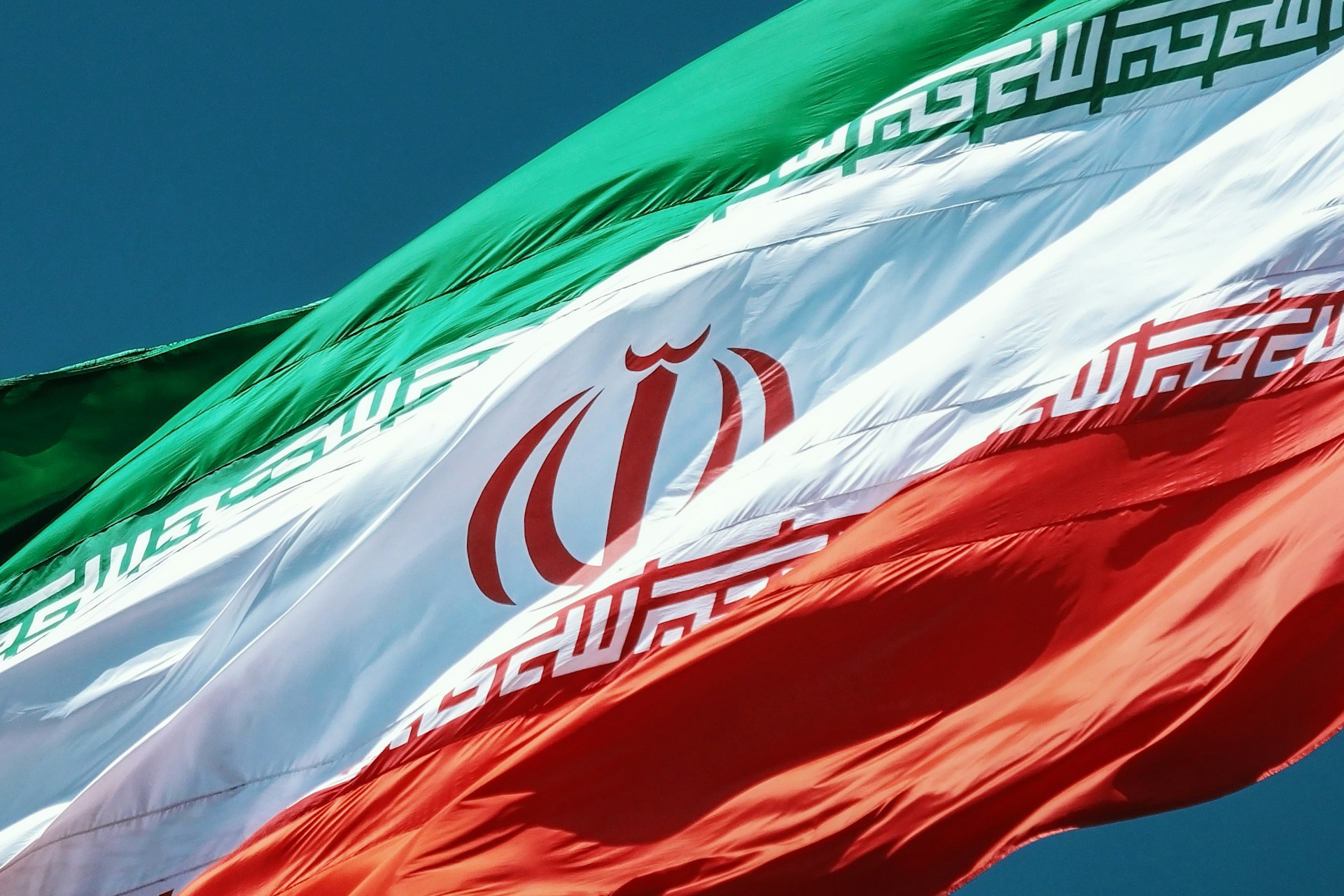

Vice President JD Vance just spent 21 hours locked in negotiations with Iran, and the result was exactly what you’d expect when one side wants to play games and the other shows up with actual demands, no deal. After nearly a full day of talks in Islamabad, Vance stepped up to the podium and delivered the update that Washington wasn’t going to sugarcoat. There were “substantive discussions,” sure, but no agreement. Translation, Iran wasn’t willing to meet even the most basic expectations.
Vance didn’t dance around it either. He made it clear that this failure lands a lot harder on Iran than it does on the United States. That’s a sharp contrast from the usual diplomatic language where everyone pretends both sides are equally disappointed. Not here. The message was simple, America knows what it wants, and it’s not going to lower the bar just to claim a win.
The core issue remains exactly what it has been for years, Iran’s nuclear ambitions. The Trump administration has drawn a firm line. No nuclear weapons, no shortcuts to getting them, and no pretending otherwise. Vance reiterated that point, saying the U.S. needs an “affirmative commitment” that Iran will not pursue nuclear capabilities. That’s not some vague diplomatic wishlist, it’s a hard requirement.
And then there’s the list of red lines, which reads less like a negotiation and more like a reality check. End uranium enrichment, dismantle facilities, hand over enriched material, stop funding terrorist proxies like Hamas and Hezbollah, and quit messing with global shipping routes. None of this is exactly radical. It’s the kind of baseline you’d expect if a country wants to be taken seriously on the world stage.
But Iran, unsurprisingly, didn’t bite. Whether it’s unwilling or unable is almost beside the point. The result is the same, no deal.
So what happens next? This is where things get interesting. Within hours of the announcement, United States Central Command, better known as CENTCOM, rolled out a naval blockade targeting Iranian ports. That’s not symbolic. That’s action. Starting April 13, U.S. forces began controlling maritime traffic tied to Iran, while still allowing normal passage through the Strait of Hormuz for other nations.
It’s a calculated move. Pressure without chaos. The blockade hits Iran economically and strategically, but avoids disrupting global trade more than necessary. That balance matters, especially when energy markets and international shipping are already on edge.
What you’re seeing here is a shift back to leverage. No endless concessions, no drawn-out deals that look good on paper but fall apart in practice. Instead, clear demands backed by real consequences. Whether Iran changes course remains to be seen, but the message from Washington is unmistakable, meet the terms or face increasing isolation.
And after 21 hours of talk going nowhere, it’s pretty clear which direction this is heading.
Leave a Comment