

U.S. CENTCOM released new footage of American Marines doing what American Marines tend to do best, moving fast, taking control, and reminding hostile regimes that press releases are not a substitute for power. The video shows Marines rappelling from a helicopter onto the Iranian-flagged cargo vessel M/V Touska after the ship ignored repeated commands from U.S. forces and attempted to run the naval blockade near the Strait of Hormuz. That is a bold strategy when the people chasing you are backed by the United States Navy.
According to CENTCOM, the vessel refused to comply with warnings for six straight hours. Six hours. That is not confusion. That is not a navigation error. That is a deliberate test. Iran clearly wanted to see whether American resolve came with an expiration date. Instead, they got a helicopter full of Marines descending onto their deck.
The operation reportedly began after USS Spruance disabled the ship’s propulsion, leaving the vessel unable to continue its little maritime rebellion. Once that happened, Marines launched from USS Tripoli and secured the ship. Efficient, direct, and refreshingly free of committee meetings.
This was also the first interception since the United States began blockading Iranian ports last week. CENTCOM later announced that 27 ships have already been turned around since the blockade started. That number tells you two things. First, the blockade is real. Second, plenty of captains understand the difference between bluffing and an American destroyer parked in your path.
Iranian state media says Tehran has vowed retaliation. Of course they have. That statement is as predictable as sunrise. Every time Iran gets checked, the regime responds with chest-thumping rhetoric meant for domestic audiences. The script rarely changes. Loud threats, dramatic headlines, and then careful calculations once reality sets in.
The larger lesson here is simple. Peace is maintained through strength, not through endless apologies or lectures about sensitivity. When adversaries believe the United States is hesitant, distracted, or led by people who confuse weakness for sophistication, they push harder. When they see Marines dropping onto a noncompliant vessel after six hours of ignored warnings, attitudes adjust quickly.
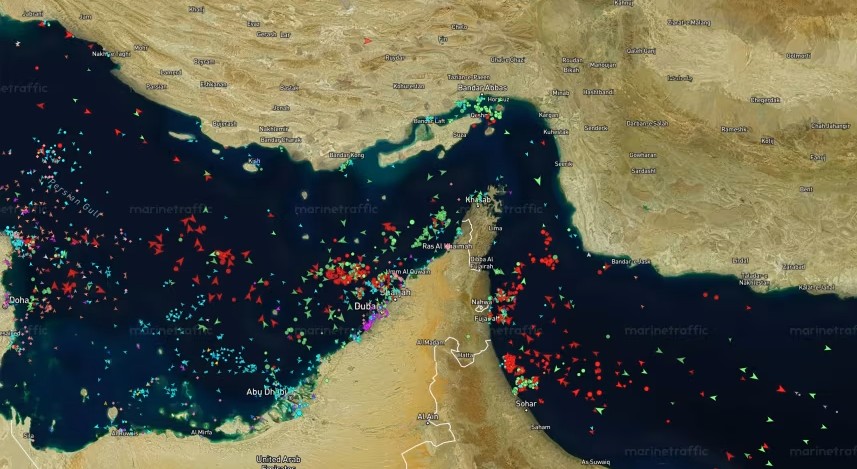
The Strait of Hormuz is one of the most critical waterways on Earth. Energy markets, commercial shipping, and global stability all pass through that corridor. Allowing Iran to toy with freedom of navigation there would be reckless. A regime that funds proxies and threatens neighbors does not need extra encouragement.
There is also something reassuring about seeing competence on display. Orders were given. Warnings were issued. The vessel refused. U.S. forces acted. No endless hand-wringing, no bureaucratic interpretive dance, no seminar on maritime feelings.
The message to Tehran is unmistakable. Do not test the U.S. Navy. Do not test the Marines. And if you do, make sure your crew enjoys surprise visitors descending from the sky.
Leave a Comment