
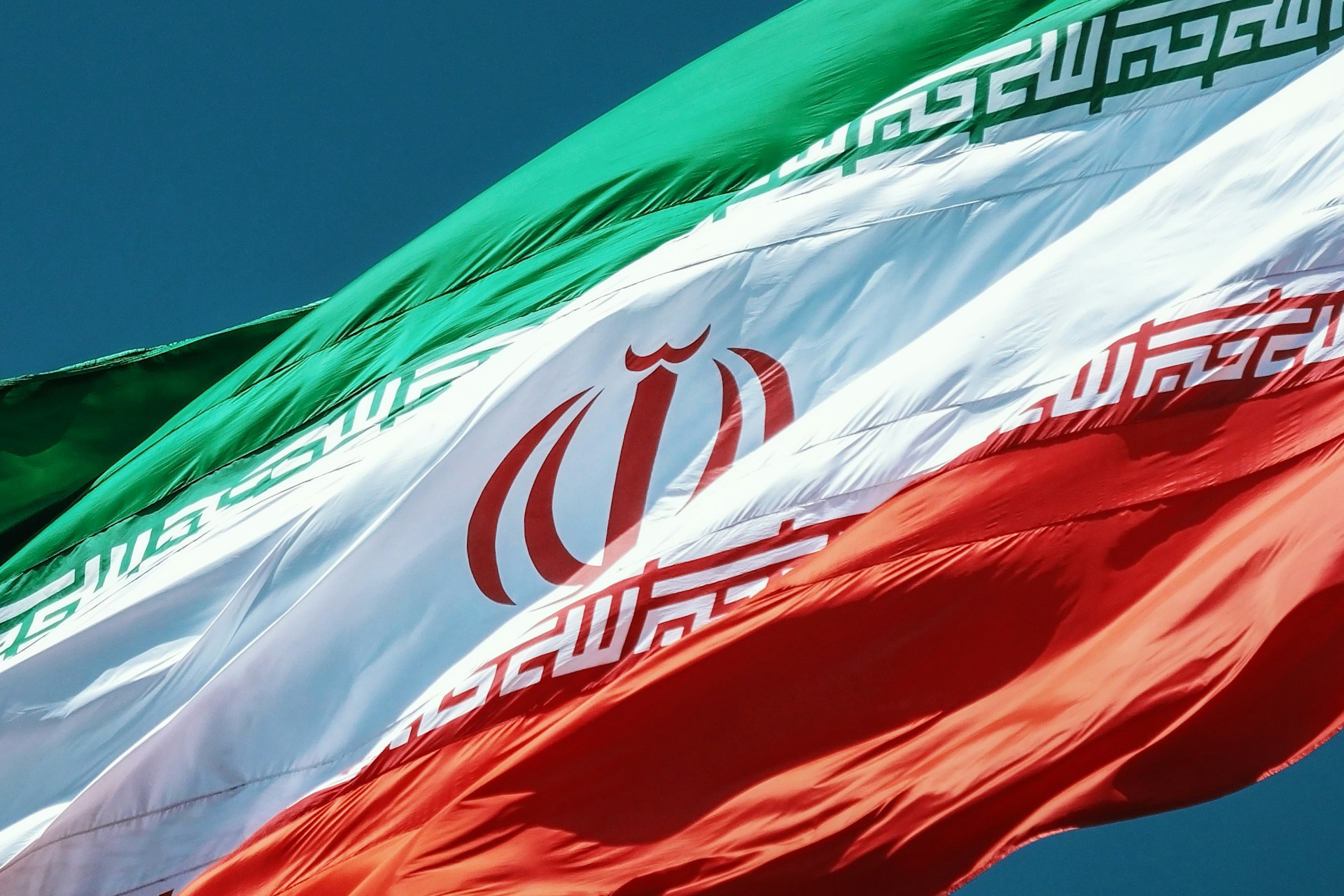

President Trump delivered another reminder this weekend that diplomacy, at least in his hands, rarely looks like the stale, scripted model Washington grew addicted to for decades. Speaking with reporters on Saturday, the president hinted at a possible breakthrough in peace talks with Iran, just hours after abruptly canceling a planned second round of negotiations in Islamabad, Pakistan.
Naturally, the foreign policy class likely needed smelling salts.
Earlier in the day, President Trump announced he had canceled the trip of U.S. special envoy Steve Witkoff and senior adviser Jared Kushner, who were scheduled to travel to Pakistan’s capital for indirect talks with Iranian officials. Iranian Foreign Minister Abbas Araghchi had already departed Pakistan without direct engagement with the American side.
Trump explained the move in typical Trump fashion, blunt, concise, and not particularly concerned with diplomatic poetry.
“I just cancelled the trip of my representatives going to Islamabad, Pakistan, to meet with the Iranians. Too much time wasted on traveling, too much work!” he posted on Truth Social.
He added that there was “tremendous infighting and confusion” within Iran’s leadership and that “nobody knows who is in charge, including them.”
That may sound harsh, but it also may sound accurate.
Then came the line that matters most: “We have all the cards, they have none!”
For years, American presidents approached Iran as though the regime held all the leverage. Endless concessions, pallets of cash, soft deadlines, and carefully worded statements became the norm. President Trump has consistently flipped that equation. His position remains simple, Iran cannot have a nuclear weapon. No fog machine required.
And according to Trump, the cancellation produced immediate results.
“They gave us a paper that should have been better,” he told reporters. “And interestingly, immediately when I canceled it, within 10 minutes, we got a new paper that was much better. They offered a lot, but not enough.”
That is classic leverage politics. Walk away from a weak offer, watch the other side suddenly discover flexibility.
The planned Islamabad meeting had been part of Pakistan-mediated efforts to stabilize a fragile ceasefire tied to the broader U.S.-Israel conflict with Iran. Pakistani officials reportedly hoped to broker a breakthrough and had been serving as intermediaries between the two sides.
But Trump made clear he is not interested in wasting two days flying officials halfway around the world for meetings that can be handled faster and from a position of strength.
“I’ll deal with whoever runs the show,” he said. “When they want, they can call me.”
That line captures the larger shift. Instead of America chasing hostile regimes for negotiations, hostile regimes are expected to approach America seriously.
The administration has not announced a rescheduled in-person meeting, and perhaps it never will. Trump clearly prefers results over ceremony. If Tehran wants sanctions relief, stability, or any broader agreement, the demand is straightforward, no nuclear weapon.
Washington insiders may hate the style. They always do. But if canceled flights and a firm deadline produce better offers in ten minutes, taxpayers might reasonably ask why the old experts needed ten years.
Leave a Comment