

There’s a certain pattern that keeps popping up lately, and even people who normally roll their eyes at conspiracy talk are starting to pay attention. A growing list of individuals tied to sensitive fields, research, or potential government disclosures have died under circumstances that leave more questions than answers. Whether you think it’s coincidence, incompetence, or something more deliberate probably depends on how much faith you still have in institutions that don’t exactly have a spotless track record.
One of the latest names drawing attention is Matthew James Sullivan, a 39-year-old whose 2024 death is now getting a second look. According to reports, Sullivan died in Falls Church, Virginia, from a mix of prescription drugs and alcohol. On paper, that sounds like a tragic but explainable situation. In reality, the timing is what’s raising eyebrows. Sullivan was reportedly preparing to provide testimony to Congress, which tends to change the context in a hurry.
Eric Burlison isn’t brushing it off. He referred the case to the FBI, citing potential national security concerns and the “sudden and suspicious circumstances” surrounding Sullivan’s death. That’s not the kind of language you use for a routine case. His letter to Kash Patel makes it clear there’s at least enough uncertainty here to warrant a deeper look.
Then there’s the location. Falls Church isn’t exactly the middle of nowhere. It’s a short drive from Central Intelligence Agency headquarters. That doesn’t prove anything by itself, but it certainly adds another layer for people already inclined to question the official narrative.
Of course, not everyone is ready to connect dots. Former FBI official Chris Swecker has pointed out that while multiple deaths and disappearances in sensitive fields are inherently suspicious, they don’t necessarily point to a single coordinated effort. He’s probably right that jumping straight to a grand unified theory is a stretch. At the same time, he also admitted that the kind of work these individuals were involved in would absolutely attract attention from foreign intelligence services. That’s not exactly comforting.
Add in earlier cases like William Neil McCasland, whose disappearance helped fuel the broader narrative, and you start to see why people are uneasy. These aren’t random names pulled from unrelated fields. Many had connections to high-level research, defense, or areas that intersect with national security.
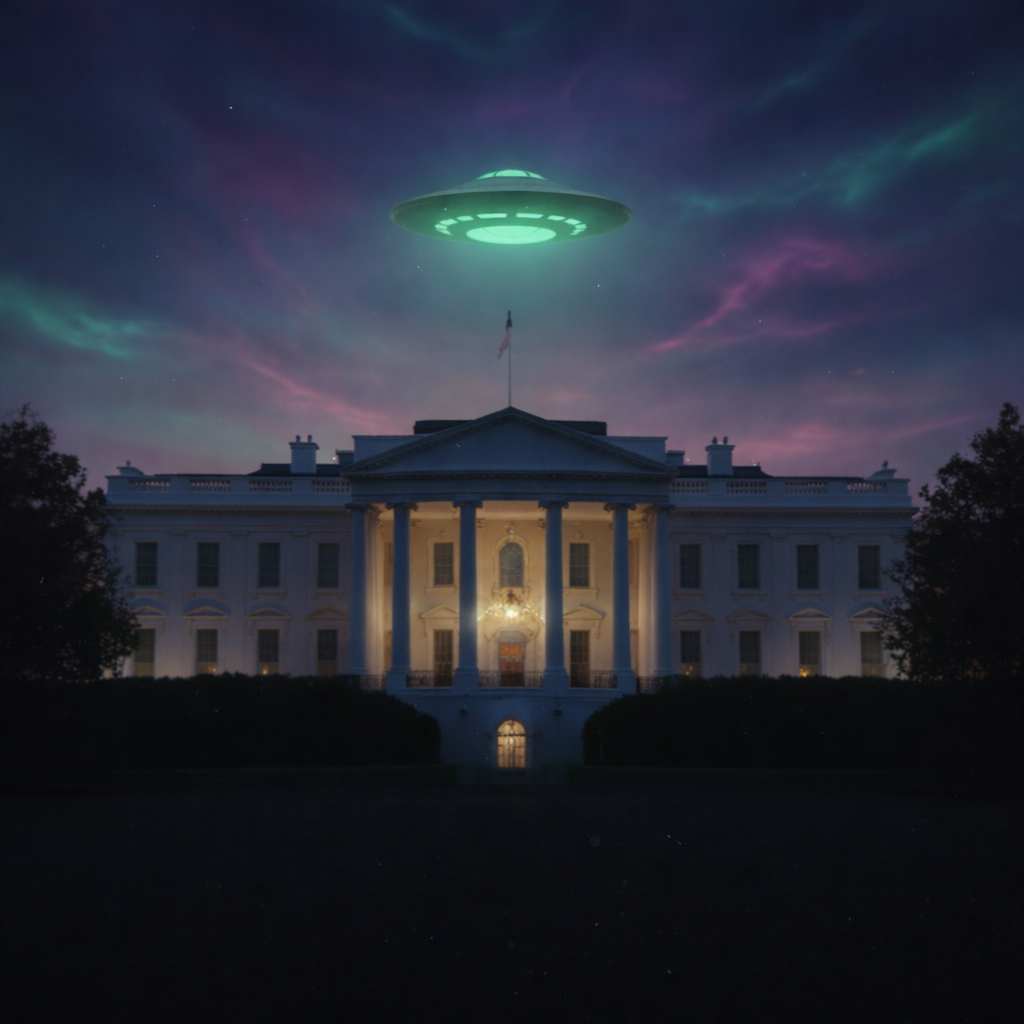
Then there’s the UFO angle, which tends to bring out both serious inquiry and outright mockery. Some of the speculation surrounding Sullivan and others ties into that world, and while it’s easy to dismiss, it’s also true that government transparency on that topic has been, at best, limited.
At some point, the issue stops being about aliens or internet theories and starts being about basic accountability. When multiple individuals connected to sensitive information die or disappear, people are going to ask questions. And if those questions aren’t answered clearly, the speculation isn’t going anywhere.
Leave a Comment