
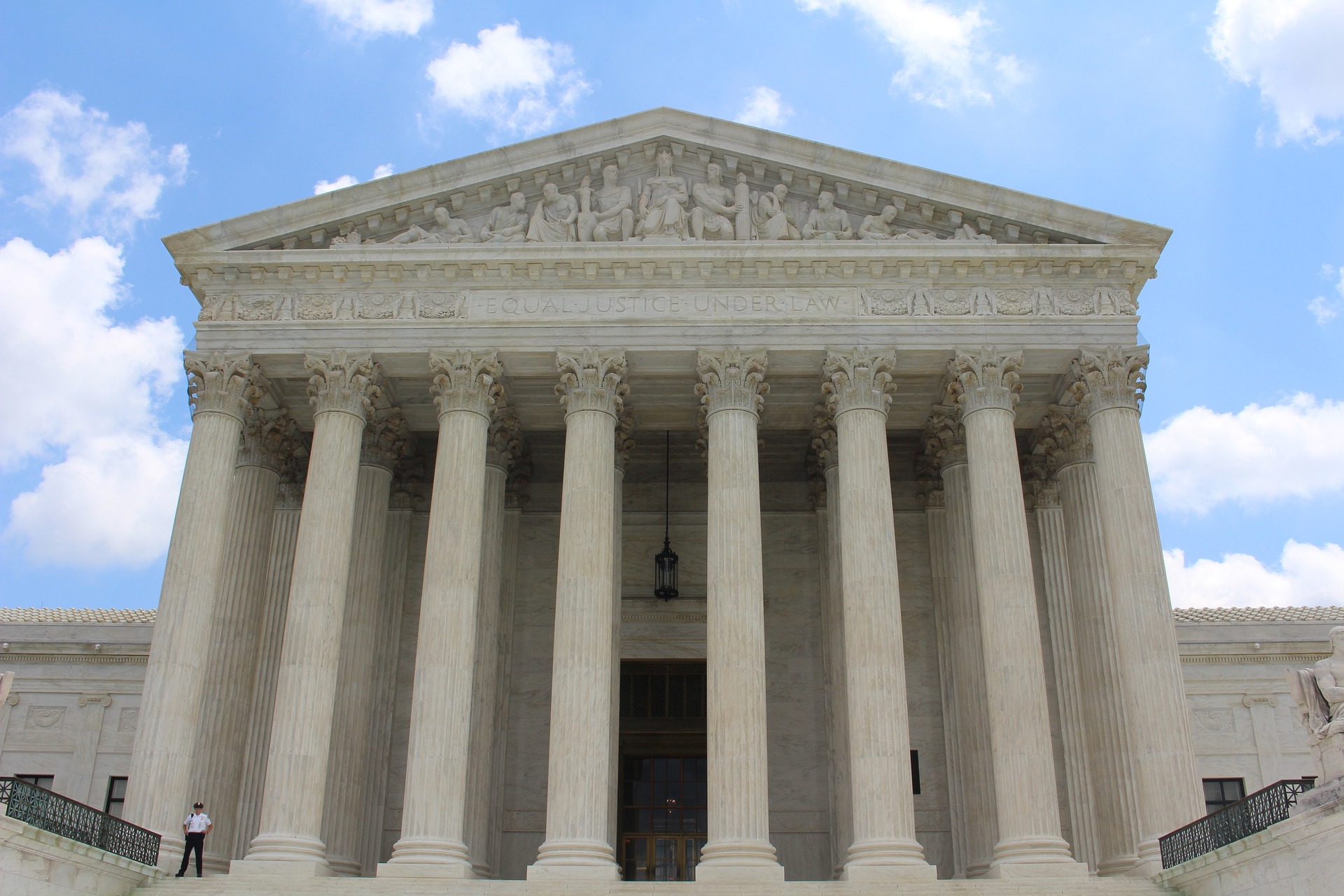

The Supreme Court dropped a political earthquake on Wednesday, and the timing could hardly be bigger. With the 2026 midterms approaching, the justices handed down a 6-3 ruling that reins in race-based redistricting and strikes down Louisiana’s attempt to create a second majority-black congressional district. Translation: the days of pretending every bizarrely shaped map is about “fairness” may be getting harder to sustain.
Justice Samuel Alito wrote the majority opinion, joined by Chief Justice John Roberts and Justices Clarence Thomas, Neil Gorsuch, Brett Kavanaugh, and Amy Coney Barrett. The dissent came from Justice Elena Kagan, joined by Justices Sonia Sotomayor and Ketanji Brown Jackson.
The dispute began after Louisiana’s original post-census map included one majority-black district. A lower federal court suggested that likely violated Section 2 of the Voting Rights Act of 1965 and indicated a second such district was needed. Lawmakers then produced a revised map, known as SB8, connecting black populations from Baton Rouge, Lafayette, and Shreveport across a sprawling section of the state.
If that sounds like a map drawn by someone tossing spaghetti at a wall, critics noticed too.
Challengers argued the redraw relied too heavily on race. The Supreme Court agreed. The majority held that because the Voting Rights Act did not actually require Louisiana to create that second district, the state had no compelling reason to use race as the dominant factor.
That is the key legal point. The Court said compliance with the Voting Rights Act can justify race-conscious line drawing, but only when the law truly demands it. States do not get to wave around the phrase “Voting Rights Act” like a magic wand and then carve districts however they please.
The ruling also tightens standards for future lawsuits. Plaintiffs now face a higher burden to distinguish race from politics. In modern elections, voting patterns often overlap with party affiliation, and the Court made clear that partisan disputes cannot simply be dressed up in racial language to drag judges into political warfare.
That matters nationwide. For years, redistricting fights have too often looked like power grabs wrapped in moral slogans. Every side claims noble motives while drawing maps that resemble abstract art.
Justice Kagan’s dissent argued the majority weakened protections against minority vote dilution. Expect that talking point to dominate headlines. But the majority’s message was simpler: equal protection means government cannot sort citizens by race unless the law unmistakably requires it.
As states gear up for 2026, legislatures now have more room to consider politics, which has always been part of redistricting, while facing tougher scrutiny if they elevate race above everything else. That will reshape legal battles coast to coast.
In short, the Court did not ban all race-conscious districting. It did something more significant. It reminded everyone that racial engineering is supposed to be the exception, not the operating system.
Leave a Comment