
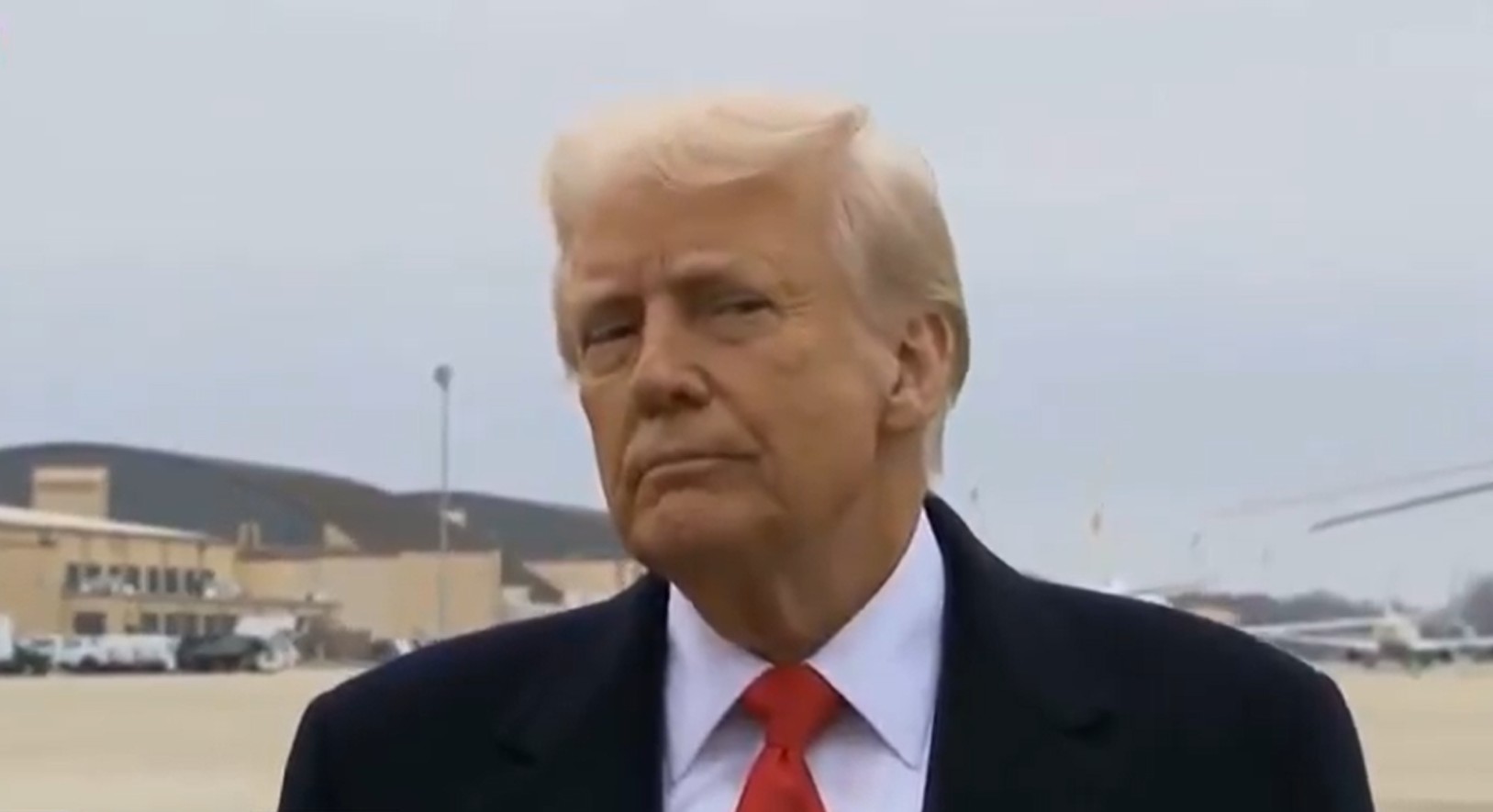

Sen. Thom Tillis delivered a blunt reality check to fellow Republicans this week during a closed-door Senate GOP meeting, reportedly calling the Trump administration’s proposed DOJ “anti-weaponization” compensation fund “stupid on stilts.” In Washington language, that is basically the equivalent of flipping over the Monopoly board and accusing everyone else of cheating.
The controversy centers around a proposed $1.776 billion fund tied to President Trump’s lawsuit settlement against the IRS over the leak of his tax returns. The administration has framed the proposal as a way to compensate Americans who were unfairly targeted by politically motivated investigations and abuses of federal power. Considering what conservatives have watched unfold over the last several years, from selective prosecutions to federal agencies suddenly discovering intense interest in parents at school board meetings, it is not exactly hard to understand why the idea resonates with a lot of Republican voters.
Still, Tillis and several Senate Republicans appear deeply uneasy about how the plan would actually work in practice. According to reports from inside the meeting, Tillis sharply questioned Acting Attorney General Todd Blanche about whether the administration had fully thought through the legal and political consequences of setting up such a massive compensation system without finalized eligibility standards.
And honestly, that concern is not irrational.
The problem Republicans face here is that once government starts handing out money for political targeting claims, the obvious next question becomes: who decides who qualifies? Washington has a magical ability to turn simple ideas into bureaucratic chaos faster than the DMV on a Monday morning.
If the standards are too broad, critics will accuse the administration of creating a political payout machine for allies. If the standards are too narrow, Trump supporters will accuse the DOJ of watering down the effort and protecting the same system conservatives believe was weaponized against them in the first place.
That tension reportedly became serious enough for Senate GOP leadership to postpone votes connected to a larger immigration and border security package before lawmakers headed out for the Memorial Day recess. Nothing says “smooth legislative process” quite like Republicans delaying votes because members are arguing behind closed doors over billion-dollar Justice Department funds.
President Trump, meanwhile, has remained fully committed to the broader anti-weaponization message. He has repeatedly argued that conservatives were unfairly targeted by federal prosecutors, intelligence agencies, and bureaucratic institutions during previous administrations. Whether discussing the FBI, the IRS, or parts of the intelligence community, Trump has made institutional accountability a central piece of his political movement.
The Tillis clash also highlights a larger issue simmering inside the Republican Party heading into the 2026 midterms. Most Republicans agree that federal agencies abused power in certain cases. The disagreement is over how far the response should go and what mechanisms should be used to address it.
That divide is becoming harder to hide as President Trump continues tightening his influence over the GOP. Republican lawmakers increasingly find themselves balancing support for Trump’s agenda with concerns about political optics, legal complications, and long-term consequences.
For now, the administration still has not released finalized rules for the compensation fund, meaning Senate Republicans are arguing over a program that technically does not even fully exist yet. Which, to be fair, is also a very Washington thing to do.
Leave a Comment