
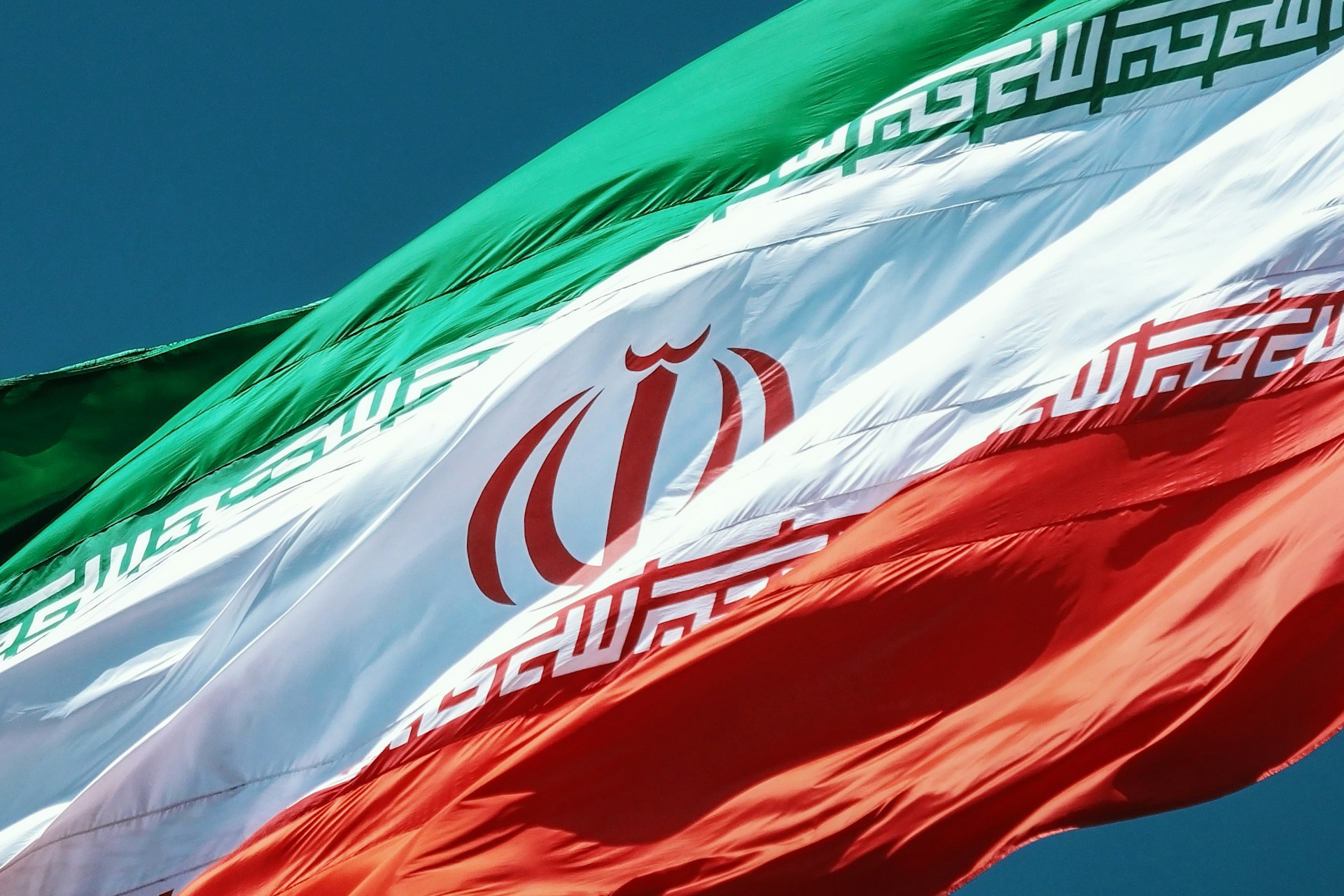

The possibility of a new agreement between the United States and Iran is already raising serious questions in Washington, especially after reports surfaced that Tehran is demanding access to roughly $24 billion in frozen assets as part of the negotiations. Because apparently the world’s leading state sponsor of terrorism looked at decades of sanctions and thought, “You know what would really help here? A giant pile of cash.”
According to a Tuesday report from IRGC-linked Tasnim News, sources close to the negotiations claim the proposed framework being discussed between Washington and Tehran would immediately release half of the frozen funds once a memorandum of understanding is announced. The remaining billions would reportedly be transferred during a 60-day negotiation process tied to broader talks.
That is an eye-popping amount of money, especially considering Iran’s long history of funding proxy militias and destabilizing activity throughout the Middle East. Whenever Iran suddenly has access to billions in fresh cash, neighboring countries tend to start nervously checking missile defense systems. Funny how that works.
The report arrives while the Trump administration continues indirect negotiations with Tehran amid ongoing tensions surrounding Iran’s nuclear ambitions and regional operations. President Trump has maintained a hardline public stance toward Iran for years, applying aggressive economic pressure while demanding significant concessions tied to nuclear development and support for regional terror groups.
At the same time, negotiations are still negotiations. That means diplomats are doing what diplomats always do, holding endless meetings, issuing vague statements, and pretending “constructive dialogue” somehow fixes regimes that chant “Death to America” on a fairly regular basis.
According to the report, Iranian Parliament Speaker Mohammad Bagher Ghalibaf recently traveled to Qatar to discuss mechanisms for unlocking the first $12 billion. Qatar has increasingly positioned itself as a middleman between Washington and Tehran, attempting to keep tensions from boiling over into direct conflict.
An Iranian source told Tasnim, “The Qatar talks were generally good and helped advance the overall negotiations. At the same time, it should not be forgotten that the United States is known as an unreliable party, and Iran is therefore approaching the issues with great caution.”
That statement takes some nerve considering Iran has spent years violating international expectations while funding armed proxies across the region. Listening to Tehran lecture anyone about reliability is a little like getting financial advice from a guy actively stealing copper wire from abandoned buildings.
Iran’s economy has struggled badly under sanctions pressure, inflation, and regional instability. That economic pain is precisely why Tehran wants sanctions relief and access to frozen funds so desperately. Meanwhile, Iranian officials are also reportedly exploring alternative trade and shipping routes to reduce pressure surrounding tensions near the Strait of Hormuz.
U.S. officials have not publicly confirmed the framework outlined by Iranian media, and no final agreement has been announced. Still, the reports alone are enough to spark concern among conservatives who remember all too well how previous deals handed Iran enormous financial benefits while promising “moderation” that somehow never actually materialized.
For now, the talks continue behind closed doors, with billions of dollars and major national security concerns hanging in the balance.
Leave a Comment