
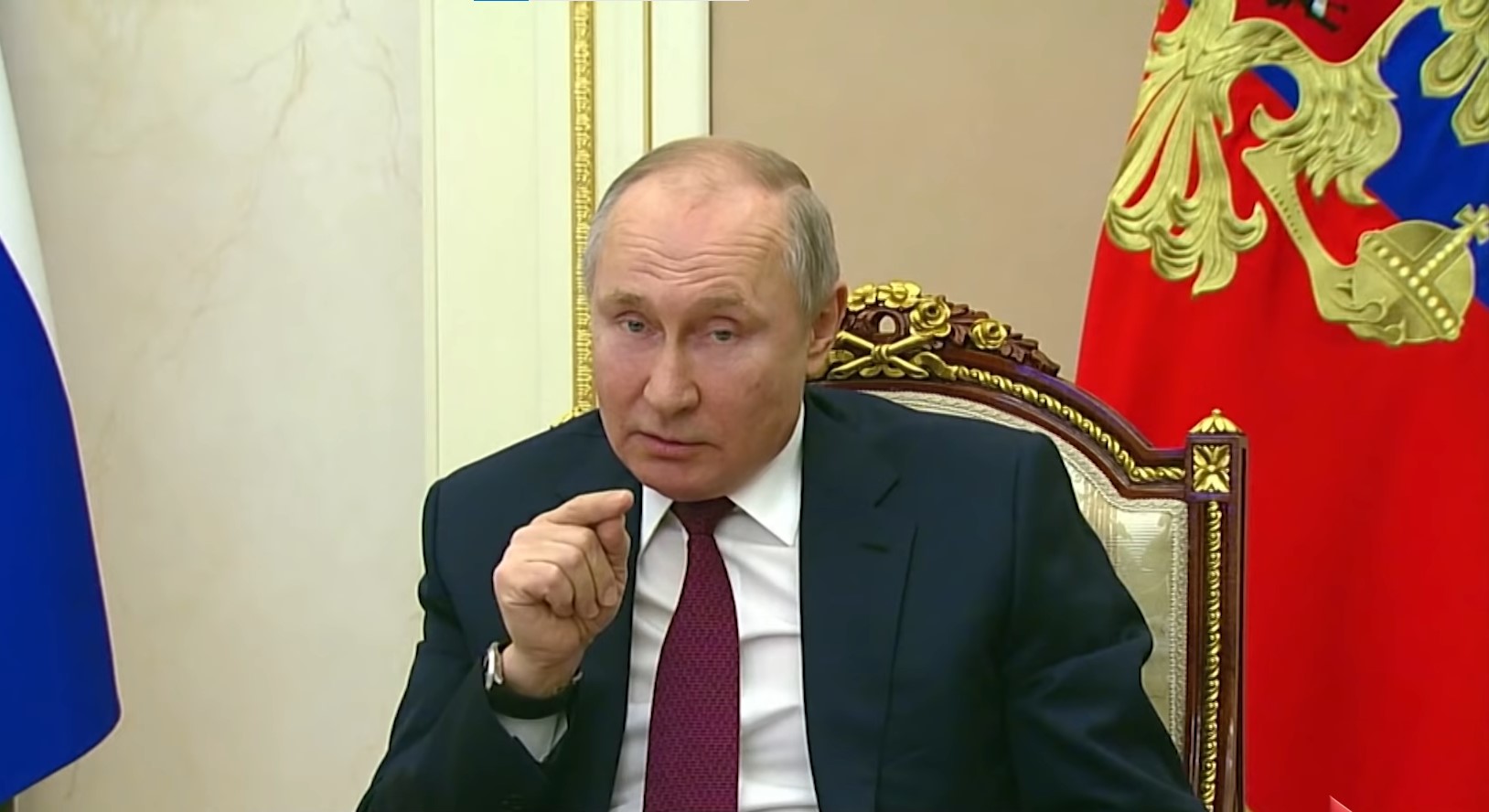

Russian President Vladimir Putin is reportedly preparing what some military analysts describe as a final major winter offensive against Ukraine as the Kremlin faces growing military, economic and political pressures after more than four years of war.
According to multiple experts monitoring the conflict, Moscow may be betting that a large-scale escalation during the winter months could improve Russia’s position on the battlefield and strengthen its leverage in any future negotiations. The strategy would mirror previous winter campaigns in which Russian forces targeted Ukraine’s civilian infrastructure, particularly energy facilities, in an effort to weaken public morale and disrupt daily life.
The timing of the reported planning comes as Russia faces mounting challenges across several fronts. While Russian forces continue to occupy significant portions of Ukrainian territory, recent battlefield assessments suggest offensive operations have slowed considerably. Ukrainian troops have managed to blunt Russian advances in several sectors while expanding long-range drone strikes deep into Russian territory.
Analysts believe the Kremlin may once again focus on Ukraine’s critical infrastructure. However, some experts warn that future attacks could go far beyond power plants and electrical grids. Rail networks, water systems and transportation infrastructure could become targets if Moscow attempts to increase pressure on Kyiv during the winter months.
Maria Snegovaya, a senior fellow with the Center for Strategic and International Studies, told The New York Post that Putin may once again look to winter conditions as a strategic advantage.
“Putin will wait for the winter again to resume the large-scale strikes and create a humanitarian crisis to get concessions in the Donbas issue,” Snegovaya said.
Other analysts point to Russia’s worsening economic situation as a major factor behind concerns about the country’s long-term ability to sustain the war. Kateryna Stepanenko of the Institute for the Study of War noted that several economic indicators are moving in the wrong direction for Moscow.
“Russia’s gold reserves are being drained, the civilian market is seeing labor shortages and the economy has taken a significant hit,” Stepanenko said.
Government spending continues to climb as military costs consume larger portions of the federal budget. At the same time, declining energy revenues and the continued impact of sanctions have created growing strain on Russia’s finances. Reports indicate the country’s budget deficit has surpassed $80 billion during the first five months of the year.
Manpower has emerged as another significant concern. Analysts report that Russian recruitment efforts are increasingly struggling to keep pace with battlefield losses. Authorities have reportedly expanded recruiting incentives and broadened efforts to attract volunteers, including younger citizens and prison populations.
Meanwhile, Ukraine’s growing drone capabilities continue to create problems for the Kremlin. Ukrainian strikes have reportedly targeted oil facilities, transportation hubs and military installations deep inside Russian territory. These operations have disrupted fuel production and exposed vulnerabilities in Russian air defense systems.
Despite these challenges, Putin has continued to reject major concessions and recently dismissed proposals for direct talks with Ukrainian President Volodymyr Zelensky. Russian officials have maintained longstanding territorial demands while signaling little willingness to alter their objectives.
Whether a major winter offensive can change the trajectory of the conflict remains uncertain. Many military experts caution that Russia has suffered enormous losses while achieving limited territorial gains in recent months. Ukraine continues to receive support from Western allies and has demonstrated an increasing ability to strike targets far beyond the front lines.
As winter approaches, both sides appear to be preparing for another difficult chapter in a war that has already reshaped Europe’s security landscape and tested the limits of military endurance, economic resilience and political will.
Leave a Comment