
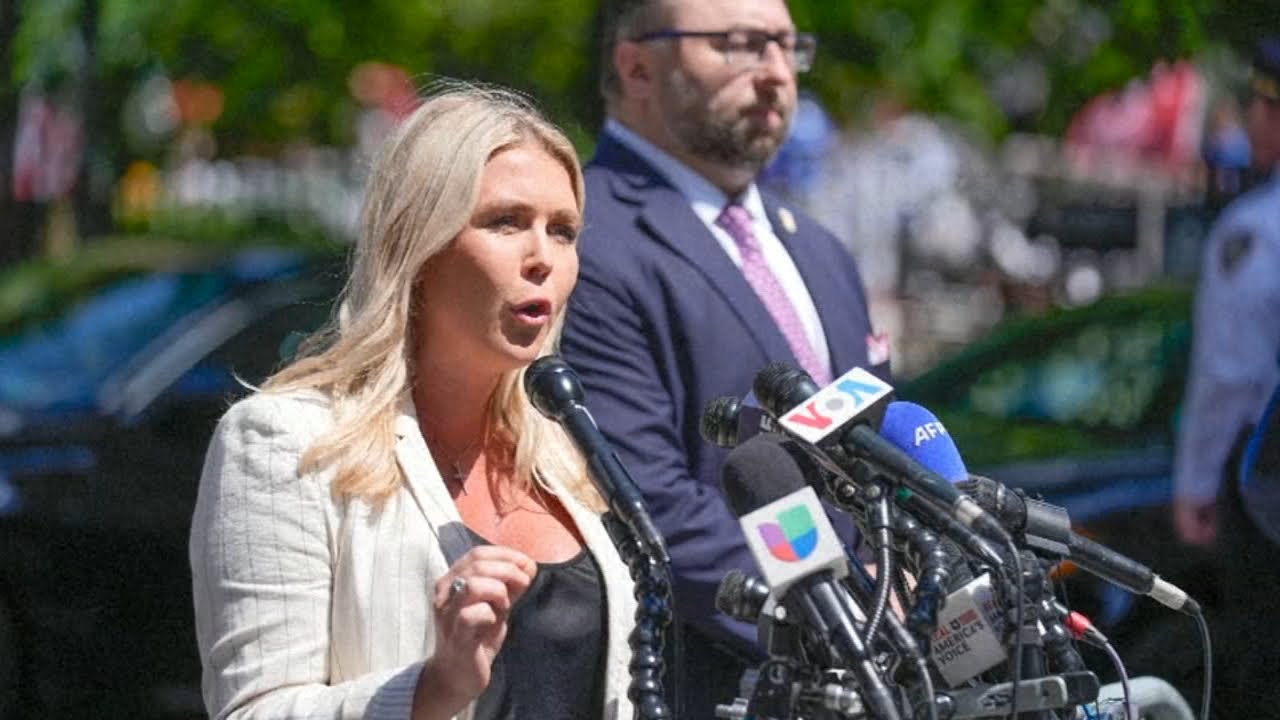

As a new generation of progressive candidates gains influence within the Democratic Party, the debate over socialism, government dependence, and the future of the American Dream is heating up once again. According to White House Press Secretary Karoline Leavitt, the growing appeal of socialist ideas among younger voters is not a sudden development. She argues it is the result of years of ideological influence inside America’s education system.
Leavitt renewed that argument over the weekend after controversy erupted over comments she made during a recent interview with Fox News host Jesse Watters. Critics seized on her remarks about some young people being lazy, but Leavitt quickly pushed back, saying her comments had been taken out of context.
Writing on X, Leavitt clarified her position, arguing that the rise of far-left politics stems from a combination of factors. While she acknowledged that laziness can play a role for some individuals, she placed greater emphasis on what she described as years of liberal indoctrination in schools and universities.
“There are far-left educators pumping students’ heads with garbage,” Leavitt wrote, arguing that some educators convince students that hard work and personal sacrifice do not lead to success. According to Leavitt, that message encourages dependence on government programs rather than self-reliance and individual achievement.
The comments come as a number of self-described democratic socialists have scored victories in Democratic primary contests, creating tension within the party. Their success has alarmed Republicans and left many establishment Democrats wondering how much influence the party’s progressive wing will ultimately wield.
President Trump has repeatedly criticized the movement, often referring to socialist candidates as communists. While many of those candidates reject the communist label and instead embrace democratic socialism, Republicans argue that the distinction becomes less meaningful when policies involve expanding government control over major sectors of society.
Leavitt also emphasized that her criticism was not aimed at all young Americans. In fact, she praised many members of Generation Z as hardworking, entrepreneurial, and patriotic. She argued that protecting economic opportunity and expanding school choice could help preserve the American Dream for future generations.
“It’s also true that many Gen Z Americans are hardworking, entrepreneurial, and deeply patriotic,” Leavitt wrote.
Her remarks echo concerns long expressed by conservatives who believe America’s educational institutions have drifted away from teaching the values of personal responsibility, free enterprise, and limited government. They argue that younger generations are increasingly exposed to favorable portrayals of socialism while receiving little education about the failures of socialist and communist systems throughout history.
President Trump reinforced that message during his Fourth of July address, where he warned against what he described as a growing acceptance of communist ideas within American politics.
“Our warriors did not fight communism on battlefields across the world, only to have that menace rear its ugly head right back here in America,” President Trump said. “It’s like a cancer. You got to cut it out.”
The comments reflect a broader political battle that is likely to continue well beyond the current election cycle. As progressive activists push the Democratic Party further left and Republicans defend free-market principles, the fight over socialism’s place in American politics is becoming one of the defining debates of the era.
For conservatives, the concern is not simply about campaign rhetoric. It is about whether future generations will continue to embrace the values of hard work, personal responsibility, and economic freedom that helped build the country in the first place.
Leave a Comment