
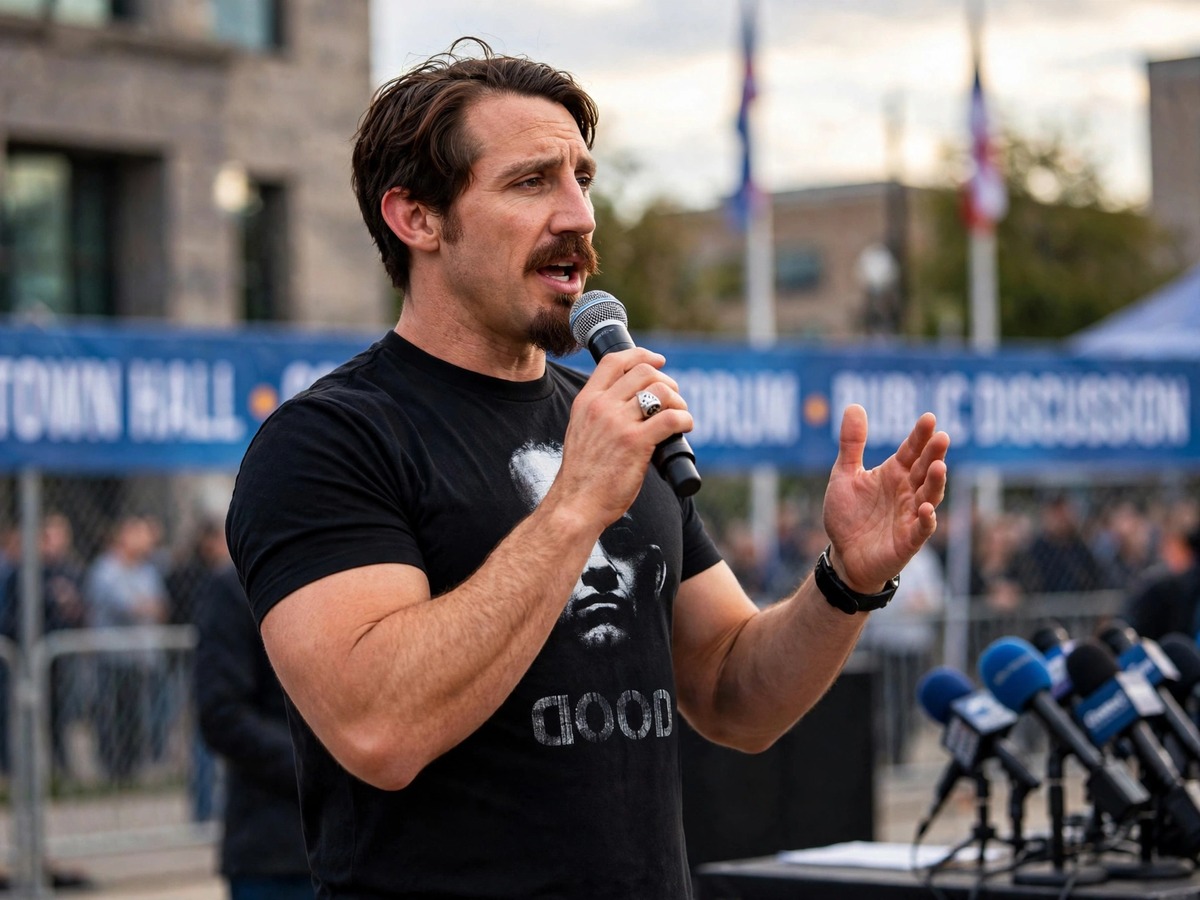

Former UFC star and former Green Beret Tim Kennedy is recovering in the United States after being shot three times during an ambush in South Kivu, in the Democratic Republic of the Congo. The attack took place Sept. 17 and reportedly left roughly 20 people dead or wounded. Kennedy suffered three gunshot wounds to his leg. It sounds like a Hollywood plot, except the injuries, casualties and evacuation were very real according to the reports.
Kennedy, 47, spent years in U.S. Army Special Forces before and during a professional fighting career that included the UFC and Strikeforce. He is receiving treatment at Walter Reed National Military Medical Center outside Washington, and reports described his condition as stable. Kennedy was evacuated through Burundi and Johannesburg before being flown back to the United States. That is a grim itinerary, not exactly the sort of travel plan anyone would put in a vacation brochure.
Reuters reporting carried by CNN Brasil identified Kennedy as part of a group connected to Vectus Global, the private security company founded by Blackwater founder Erik Prince. The account reportedly drew on at least 10 people with direct knowledge of the attack or who had been briefed on it. The team was involved in an operation to protect mining revenue, fight smuggling and collect taxes for the Congolese government. A mission described in financial and security terms turned into a brutal firefight in one of the world’s most unstable regions.
At least seven Congolese were reportedly among those killed. Justin Conaglen, a former member of New Zealand’s elite Special Air Service, was also killed, while another foreign contractor was wounded. Local villagers may also have been among the casualties. The attack was described as Vectus Global’s first known losses during its Congo operations. The company had expanded from advising on mineral-revenue collection into security work supporting Congolese forces in the country’s violent eastern provinces.
The exact chain of events remains contested. Sources working with the Congolese government reportedly said forces supporting the M23 rebel movement may have tracked a surveillance drone back to the team’s position. Two sources blamed the Rwandan military directly, while another said the sophistication of the ambush pointed in that direction. Rwanda has denied backing M23, although the United Nations and Western governments have accused Kigali of supporting the rebel group.
Eastern Congo has endured years of armed conflict tied to territory, political power and control of mineral wealth, including gold, lithium and tantalum. That combination has produced a dangerous operating environment where a revenue-collection mission can suddenly become a firefight, and where even the most carefully worded mission description cannot make bullets less dangerous.
Stars and Stripes reported that Kennedy had been part of a three-man element and said the Sept. 17 attack had not been officially confirmed when details first emerged. That reporting cited the New Zealand Herald and comments from former Delta Force operator Brent Tucker. The military newspaper also noted Kennedy’s Special Forces deployments to Iraq and Afghanistan and reported that he was still serving part-time in a Maryland National Guard special operations detachment as of 2025. Conaglen had taken unpaid leave from New Zealand’s military in March and formally left the service in August, according to the same reporting.
The later Reuters account added multiple sources familiar with the attack and placed Kennedy at Walter Reed after his evacuation. Vectus Global declined to comment publicly, and Kennedy had not issued a detailed public account as of Sunday. The reports provide a grim outline: a former UFC fighter and Special Forces soldier survived three gunshot wounds, while others were killed or injured in an ambush whose full circumstances and responsibility remain unsettled.
Leave a Comment