
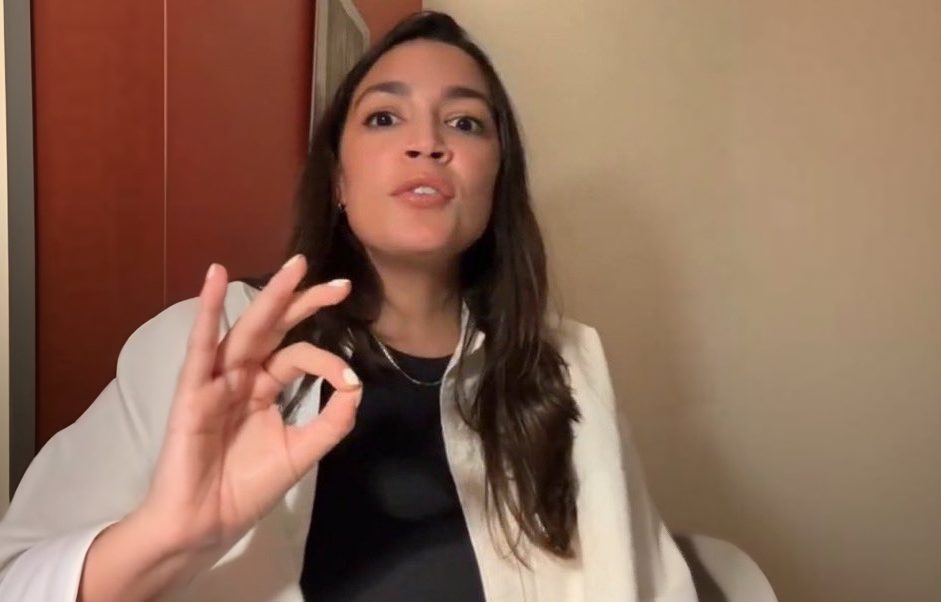

Once again, Alexandria Ocasio-Cortez found herself at the center of controversy after her appearance at the 62nd Munich Security Conference in Germany. What was meant to be a showcase of foreign policy chops instead became a chain of widely shared gaffes, prompting bipartisan criticism and a fresh round of political theater.
During a high-profile panel discussion on U.S. foreign policy, AOC struggled to deliver a clear answer when asked whether the United States should commit troops to defend Taiwan in the event of a Chinese invasion. Her response was hesitant and muddled, striking many observers — on both sides of the aisle — as unprepared and lacking firm substance.
Critics also zeroed in on a geographical error AOC made in a separate interview, where she appeared to claim that Venezuela is located “below the equator,” despite the fact that the entire country lies in the Northern Hemisphere. That misstatement quickly became fodder for conservative commentators and political rivals alike.
The reaction was swift and broad. Republican strategists and commentators mocked her performance, with GOP voices pointing to her hesitation on Taiwan and the Venezuela error as evidence that she isn’t ready for serious global leadership roles. Even some Democrats and liberal media figures acknowledged that her remarks were awkward and difficult to defend.
The criticism wasn’t limited to political opponents. A range of observers — including strategists and commentators from different ideological backgrounds — suggested that AOC’s performance fell short of expectations for someone speaking on global security issues at an event of Munich’s stature.
In response, Ocasio-Cortez pushed back against the viral clips and commentary, arguing that short excerpts were being used to distract from “the substance” of her remarks. She also compared the scrutiny to what she described as the impulsive communication style of former President Donald Trump, suggesting that thoughtful pauses should not be interpreted as a lack of competence.
Her defenders say the broader context of her trip, which included advocating for democratic values and critiquing authoritarianism, was overshadowed by snippets that went viral on social media. Nonetheless, the gaffes have dominated coverage and sparked debates about her foreign policy experience — especially as speculation grows about her potential political ambitions beyond the House.
Whether this episode will have lasting political impact remains unclear, but the reaction underscores the high stakes and intense scrutiny that come with representing the United States on the international stage.
Leave a Comment