
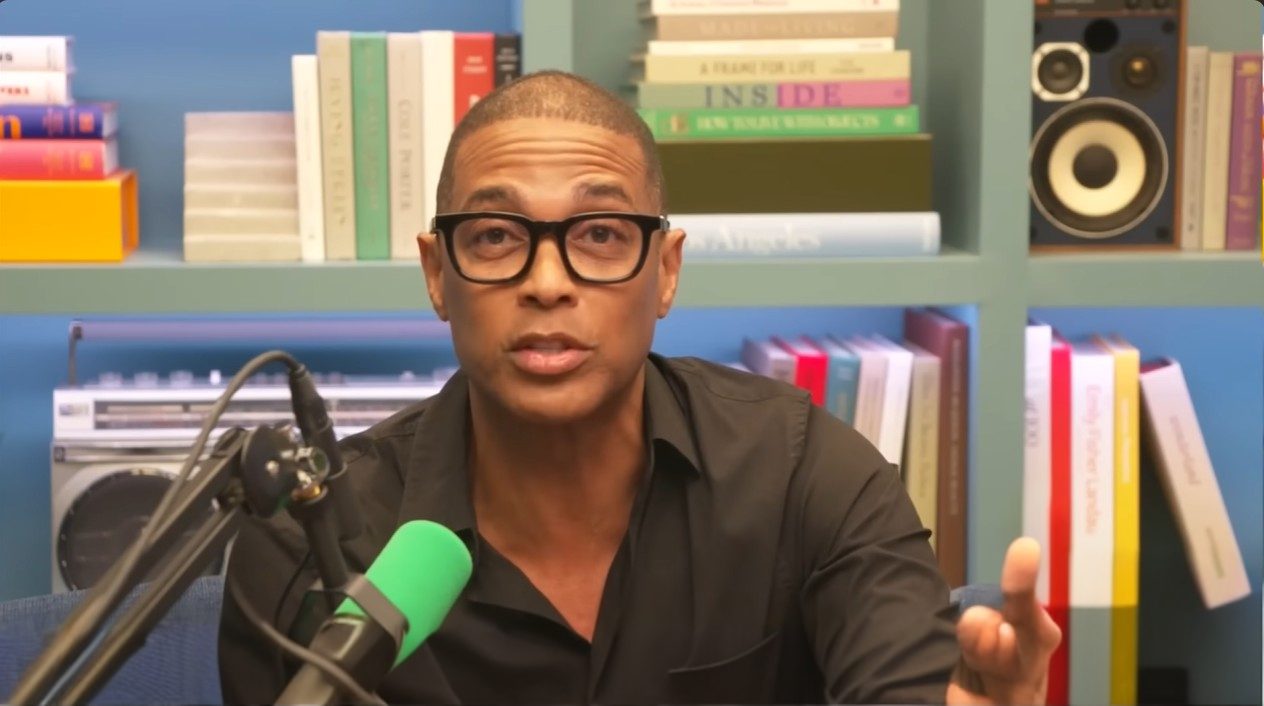

Former CNN host Don Lemon is learning the hard way that livestreaming chaos is not the same thing as reporting the news. Lemon was taken into federal custody Thursday night in Los Angeles over his role in a disruptive anti-ICE protest at a Minnesota church, according to his attorney. This was while he was in town covering the Grammy Awards, because nothing says serious journalism like bouncing between celebrity red carpets and church invasions.
The arrest stems from Lemon’s involvement in unrest at Cities Church in Minnesota, where anti-ICE activists stormed a Sunday worship service earlier this month. Lemon did not just observe from a safe distance. He livestreamed the activists as they forced their way inside, interrupting a congregation that was there to worship, not to be turned into content. He later brushed it off as protected activity, insisting that “the freedom to protest” is what the First Amendment protects. That argument sounds a lot thinner when the protest involves barging into a church during services.
Lemon’s attorney, Abbe Lowell, rushed to frame this as an attack on journalism, claiming Lemon’s “constitutionally protected work” was no different than what he has done for 30 years. That defense ignores a key point. Journalism does not magically turn disruptive conduct into a press conference. Filming people while they disrupt a church, cheering it on, and describing it as a “clandestine mission” looks less like reporting and more like participation.
Lowell also accused the President Trump administration of targeting Lemon instead of federal agents involved in deadly encounters in Minnesota. This kind of rhetorical sleight of hand is familiar. When the facts are uncomfortable, change the subject. Attorney General Pam Bondi was far more direct, stating online, “Listen loud and clear: WE DO NOT TOLERATE ATTACKS ON PLACES OF WORSHIP.” That should not be controversial, unless basic standards of public behavior are suddenly up for debate.
One of the protest organizers, far-left activist Nekima Levy Armstrong, was arrested in connection with the incident and appeared in Lemon’s livestream footage. Video posted by Lemon suggests he had some awareness of the activists’ plans before arriving, despite later claiming he had no affiliation with the group. While driving to the church, he told viewers, “We kind of do, but we don’t know how it’s going to play out.” That does not sound like a neutral observer who just happened to be in the neighborhood.
Justice Department civil rights official Harmeet Dhillon summed it up plainly, warning that journalism is not a shield for criminal conduct. A federal magistrate judge had previously rejected an initial attempt to bring charges, but prosecutors clearly did not get the memo to back off. Lemon himself dared them to escalate, declaring, “I stand proud, and I stand tall.” Now the escalation has arrived.
This case is ongoing, but the larger issue is already clear without needing a courtroom verdict. Protesting is not a license to trample on religious worship, and holding a camera does not confer immunity. If Lemon wants to be an activist, that is his choice. Calling it journalism does not make it so.
Leave a Comment