

Following President Trump’s strikes on Iranian targets, the FBI has moved quickly to tighten security at home, raising its alert posture nationwide amid concerns about potential retaliation.
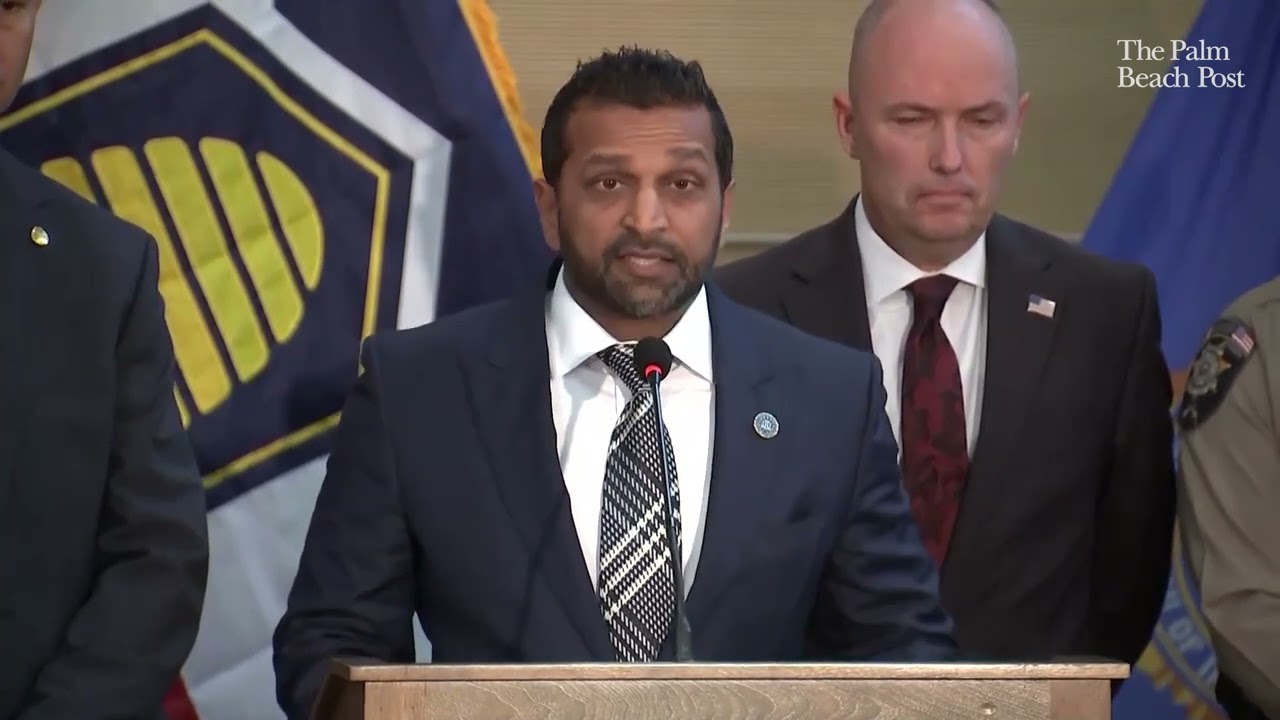
FBI Director Kash Patel confirmed Saturday that he placed the bureau’s counterterrorism and intelligence teams on high alert as U.S. operations against Iran continue overseas. “Last night, I instructed our Counterterrorism and intelligence teams to be on high alert and mobilize all assisting security assets needed,” Patel wrote on X. “Our JTTFs throughout the country are working 24/7, as always, to address and disrupt any potential threats to the homeland.”
That is not routine language. It signals a serious shift in posture.
According to a law enforcement source cited by Fox News, such a move typically involves increased surveillance of priority suspects, activation of confidential informants, and a review of technical intelligence collection. In short, the bureau is widening its net to detect and deter any possible threats before they materialize.
While the U.S. military is focused on force protection for troops and assets overseas, Patel emphasized that the FBI remains “at the forefront of deterring attacks here at home.” The bureau’s Joint Terrorism Task Forces across the country are operating around the clock.
This heightened alert comes as tensions with Iran escalate following U.S. strikes. Iran has a history of asymmetric responses, often relying on proxies, cyber operations, or lone actor sympathizers rather than conventional military retaliation against the American homeland. That reality is clearly weighing on federal officials.
Homeland Security Secretary Kristi Noem said she is “in direct coordination with our federal intelligence and law enforcement partners as we continue to closely monitor and thwart any potential threats to the homeland.” Her statement underscores the interagency effort now underway.
The timing adds another layer of complexity. The alert unfolds during a partial shutdown of the Department of Homeland Security, which could complicate certain administrative or logistical operations. Still, core national security and counterterrorism functions remain active.
Security analysts note that when the United States conducts direct military strikes against a state actor like Iran, especially one with a global network of allies and proxies, it is standard practice to assume some form of retaliatory effort could follow. That does not mean an attack is imminent. It does mean vigilance is necessary.
White House Press Secretary Karoline Leavitt confirmed that President Trump has been in contact with allies in the region following the strikes, signaling diplomatic coordination alongside military and domestic security measures.
For Americans at home, there is no specific public threat warning at this time. But federal authorities are clearly taking no chances. As tensions abroad rise, the focus now shifts to ensuring that any blowback does not land on U.S. soil.
Leave a Comment