
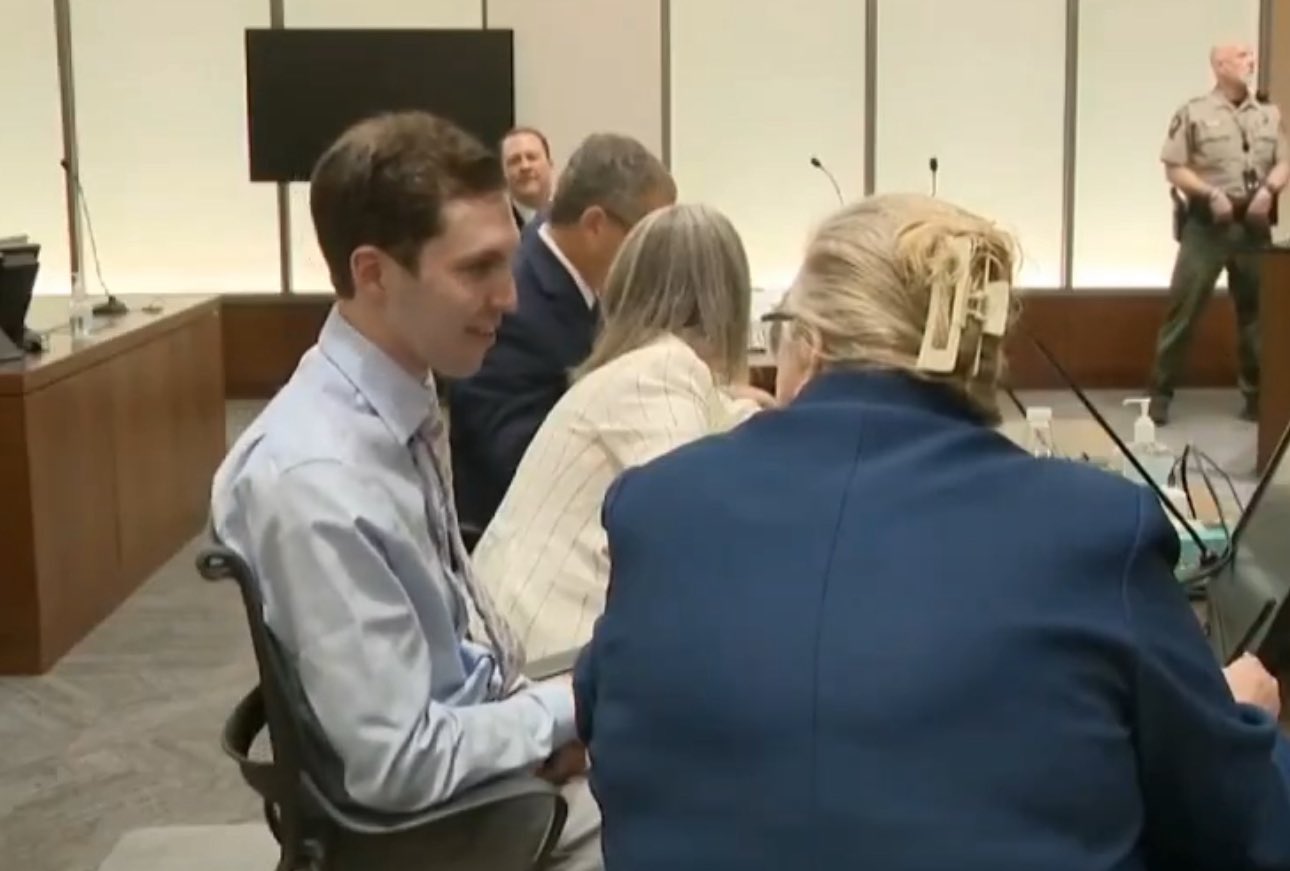

Newly unsealed court records are painting a chilling picture of what prosecutors say was a calculated assassination plot targeting conservative commentator Charlie Kirk, and the details are about as disturbing as you’d expect.
At the center of it all is 22-year-old Tyler Robinson, who now faces capital murder charges following the September 2025 shooting at Utah Valley University. According to investigators, this wasn’t some impulsive act or spur-of-the-moment decision. The evidence being laid out, including a handwritten note and a series of text messages, suggests planning, intent, and a mindset that had already accepted the consequences.
The handwritten note alone is enough to stop you in your tracks. Addressed to his roommate and romantic partner, Lance Twiggs, Robinson allegedly wrote that he had left home “on a mission” and acknowledged he was either going to die or spend the rest of his life behind bars. He didn’t hedge. He didn’t sound confused. He made it clear he believed he had an “opportunity” to kill Charlie Kirk and chose to act on it.
That’s not political disagreement. That’s ideological extremism crossing a line that should never be crossed.
The note gets more personal as it goes on, expressing love and regret toward Twiggs, but even that emotional tone doesn’t soften what’s being described. If anything, it reinforces the idea that Robinson knew exactly what he was doing and had mentally prepared for the fallout.
Then there are the text messages, which prosecutors say were sent during and after the shooting while law enforcement was actively searching for him. These messages allegedly describe attempts to evade capture, frustration over missed opportunities to retrieve a rifle, and even casual remarks about sitting in his car watching videos while waiting for police to move along.
Let that sink in for a second. While a manhunt was underway, the suspect was allegedly texting about killing time and hoping officers would leave the area. That’s not panic. That’s someone trying to manage an escape in real time.
In another exchange, Robinson reportedly told Twiggs he might turn himself in but wanted to meet one last time, even suggesting he would go “out on my own terms” rather than face a public trial. Whether that meeting ever happened remains unclear, but the situation ultimately ended when Robinson’s father turned him in the following day.
This case is still moving through the courts, with a hearing scheduled and legal battles already shaping up over how much of the proceedings the public will be allowed to see. But the broader issue here goes beyond courtroom procedure.
What stands out is how openly the alleged intent was expressed, both before and after the act. There was no attempt to disguise motive or downplay the objective. That raises serious questions about how this kind of radicalization takes hold and why it’s increasingly spilling into real-world violence.
Political debate is supposed to stay in the realm of ideas. The moment it turns into targeting individuals for elimination, something has gone deeply wrong.
Leave a Comment