

U.S. Attorney for the District of Columbia Jeanine Pirro was not having it on Monday, and she made that very clear. After Federal Reserve Chair Jerome Powell went public claiming the Justice Department threatened him with criminal indictment, Pirro responded by essentially saying this entire circus was unnecessary and self-inflicted.
According to Pirro, her office repeatedly reached out to the Federal Reserve to discuss the ballooning costs of its headquarters renovation and Powell’s testimony before Congress. Those attempts were ignored. Only after being stonewalled did prosecutors resort to subpoenas and formal legal process. Pirro stressed that this is not a threat, it is how investigations work when cooperation is refused. She also pointed out an inconvenient fact for Powell. The word “indictment” did not come from the Justice Department. It came from Powell himself.
That detail matters. Powell framed the subpoenas as some unprecedented act of political intimidation. Pirro calmly dismantled that narrative by reminding everyone that ignoring federal prosecutors tends to have consequences. She emphasized that her office makes decisions based on the merits, not politics, and that no one, including the head of the Federal Reserve, is above the law. That line should not be controversial, yet here we are.
Powell’s Sunday statement leaned heavily into grievance. He suggested the probe was part of a broader campaign of pressure tied to the White House and past criticism from President Trump. Powell made sure to highlight Trump’s previous insults, including being called a “numbskull” and “an obvious Trump Hater,” as if name calling somehow invalidates a criminal inquiry into sworn testimony and financial oversight.
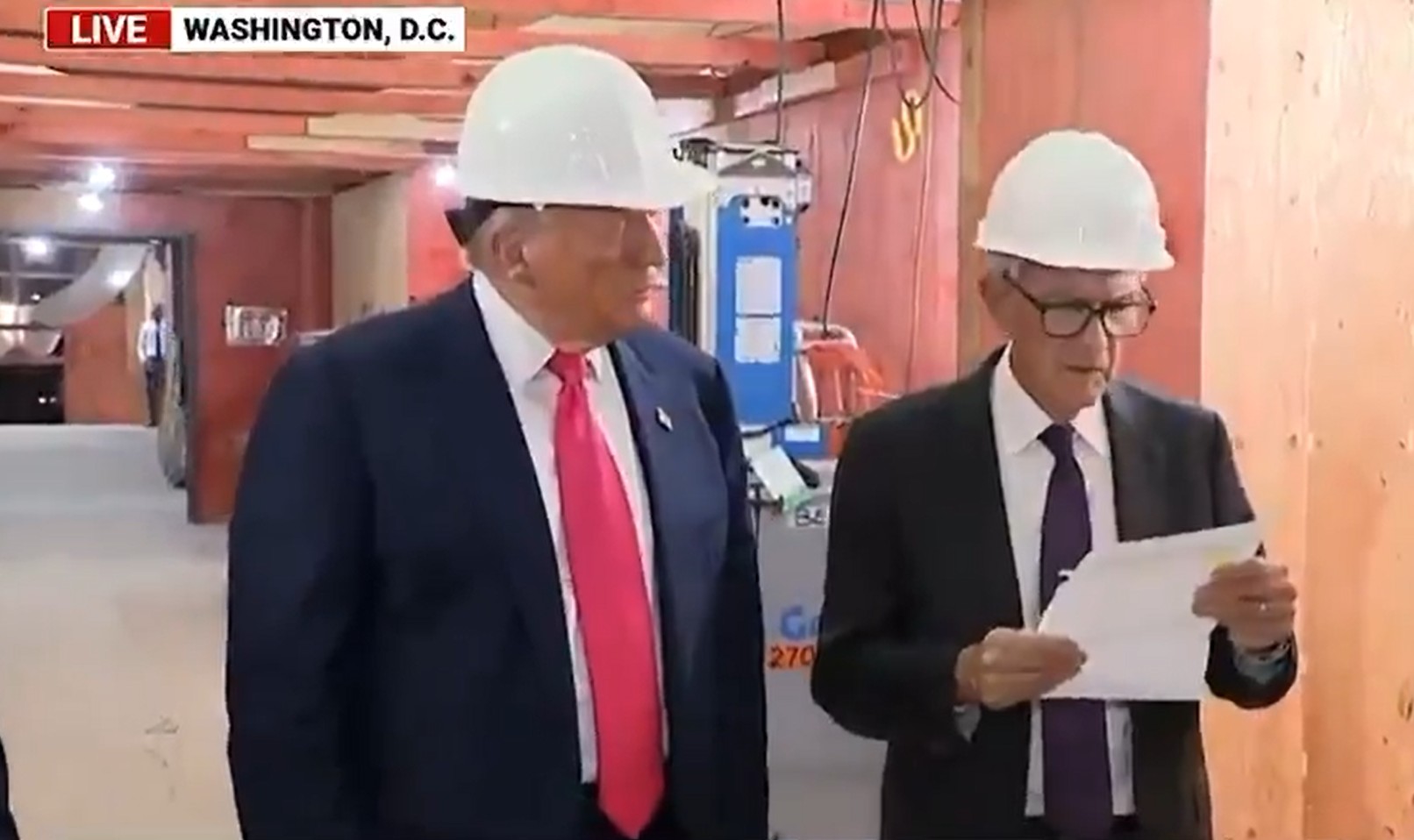
President Trump, for his part, said he was unaware of the investigation but could not resist taking a shot anyway. He questioned Powell’s competence at running the Fed and mocked his ability to manage a construction project. Given that the renovation is now roughly $700 million over budget, that criticism does not exactly feel unfair.
The project, which began three years ago, was supposed to cost around $1.9 billion. It is now estimated at $2.5 billion, raising serious questions about management, transparency, and whether Powell accurately represented the situation to Congress during his June testimony before the Senate Banking Committee.
What makes this episode revealing is how quickly Powell jumped to the political victim narrative instead of addressing the substance. Pirro’s response cut through that noise. If the Federal Reserve had simply engaged, there would have been no subpoenas, no headlines, and no drama.
This is not about ideology. It is about accountability. The institution that sets interest rates for the entire country should be able to answer basic questions about a construction project it cannot seem to control. And if it cannot, then scrutiny is not persecution. It is the bare minimum.
Leave a Comment