
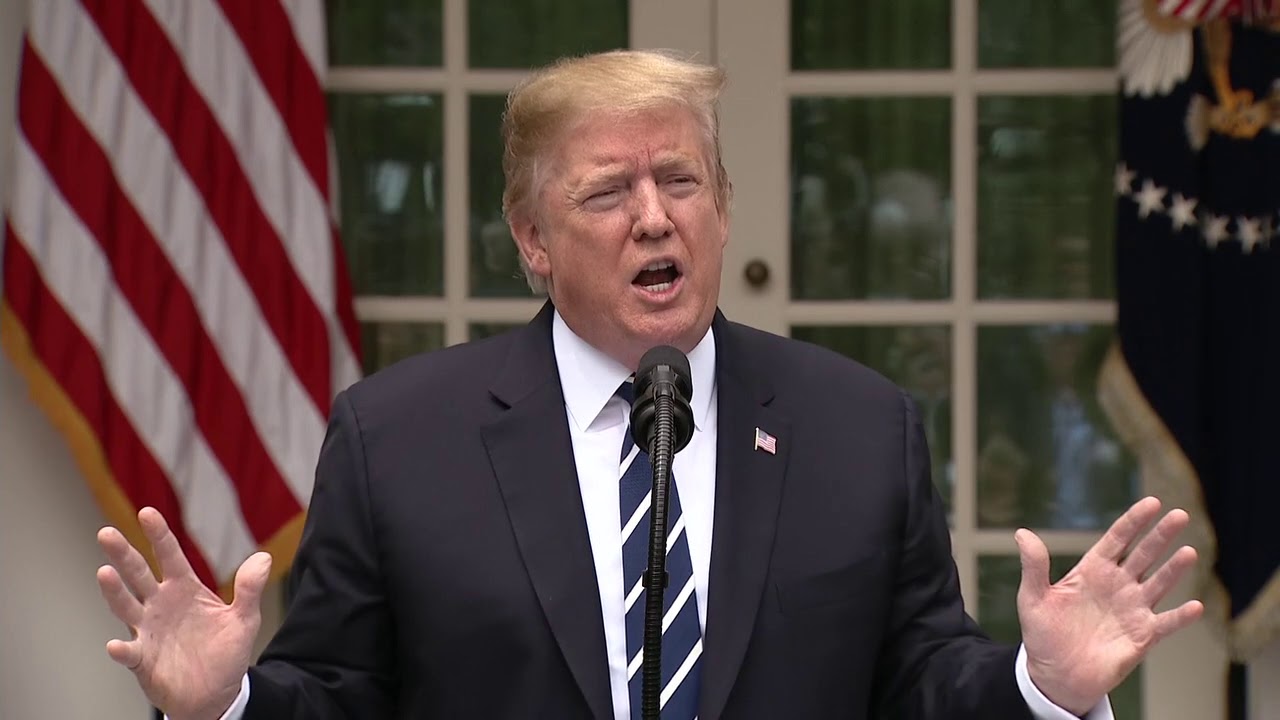

A federal judge just handed President Trump a legal setback that is less about immediate consequences and more about dragging a political fight through the courts for years to come. U.S. District Judge Amit Mehta ruled that Trump’s January 6 speech near the White House does not qualify as an official presidential act, meaning he cannot claim immunity from civil lawsuits tied to the Capitol riot.
That distinction, official versus political, is doing a lot of heavy lifting here. Mehta argued that Trump’s speech fell outside the “outer perimeter” of presidential duties. Translation, the court is saying this was campaign-style political activity, not something protected under the umbrella of the presidency. That opens the door for lawsuits from police officers and Democratic lawmakers who want to hold Trump personally liable for what they describe as violence at the Capitol.
Now, before anyone starts acting like this is the final chapter, it is not even close. This ruling just keeps the lawsuits alive. The case is almost guaranteed to wind its way through appeals, possibly all the way to the Supreme Court. Even one of the plaintiffs’ attorneys admitted the timeline could stretch into 2028. Think about that for a second, a legal battle over an event in early 2021 potentially reaching trial seven years later. If that sounds like a system built for speed and efficiency, you might want to sit down.
Joseph Sellers, representing the Democratic lawmakers, was quick to celebrate. He said, “We’re very pleased that the court recognized that President Trump cannot avoid accountability for his conduct on Jan. 6, 2021.” That is one way to frame it. Another way is that this ensures Trump will remain tied up in litigation while trying to govern, which conveniently serves a political purpose as much as a legal one.
Trump’s legal team, unsurprisingly, is not buying the ruling. They argue that everything Trump did that day was within his role as president, acting on behalf of the American people. They also made it clear this fight is far from over, calling the lawsuits part of ongoing “Democrat Witch Hoaxes.” Strong language, sure, but it reflects a broader frustration with how often legal challenges seem to follow Trump wherever he goes.
The bigger issue here is what this ruling could mean moving forward. If courts start narrowing what counts as an “official act,” future presidents could find themselves personally exposed to lawsuits over political speech. That is not a small shift. It raises serious questions about how freely a president can speak, especially in heated political moments, without worrying about years of litigation afterward.
Meanwhile, the American public gets to watch another drawn-out courtroom drama unfold, one that will likely outlast news cycles, election cycles, and maybe even patience itself. Whether you see this as accountability or political warfare probably depends on where you already stand. What is certain is that this case is not going away anytime soon, and neither is the debate surrounding it.
Leave a Comment