
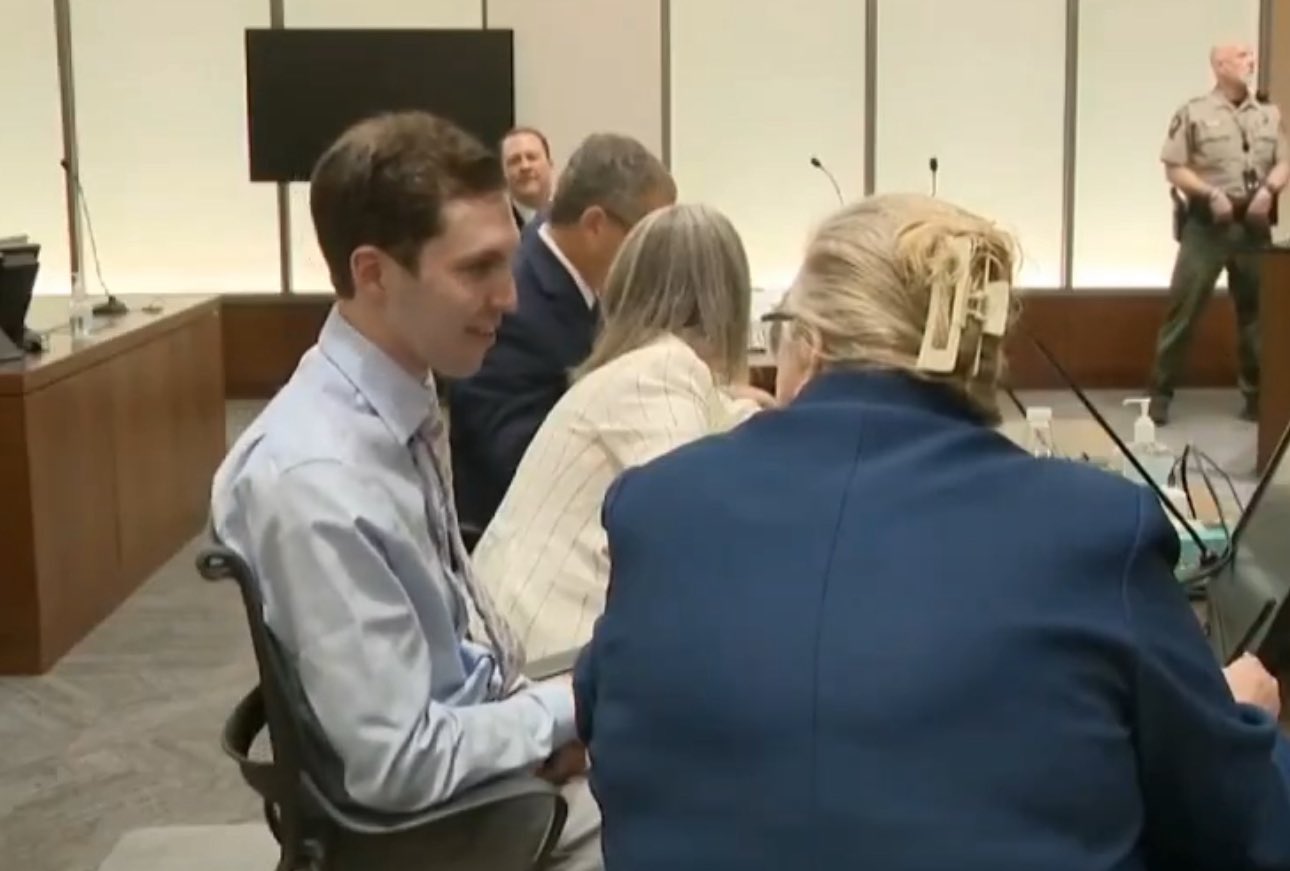

The case surrounding the killing of Charlie Kirk just took a turn that should make anyone pause before rushing to judgment, something our legal system used to take seriously. Attorneys for Tyler Robinson are now saying the bullet that killed Kirk may not even match the rifle prosecutors have been pointing to this entire time. That is not some minor technicality, that is the kind of detail that can decide whether a man lives or dies.
According to a recent court filing, the Bureau of Alcohol, Tobacco, Firearms and Explosives could not definitively link the fatal bullet to the rifle allegedly connected to Robinson. For a case where prosecutors are pursuing the death penalty, that is a pretty big problem. You would think “beyond a reasonable doubt” still means something, especially when the state is asking for the ultimate punishment.
Robinson, just 22 years old, is accused of driving hours to Utah Valley University and carrying out the killing back in September. Prosecutors have leaned heavily on the idea that a specific rifle ties him directly to the crime. Now the defense is essentially saying, not so fast.
And it does not stop there. The defense is asking for a six month delay, arguing they have been buried under an avalanche of evidence, around 20,000 files of audio, video, and documents. On top of that, there are complicated DNA reports from both the FBI and ATF involving multiple contributors. Anyone who has followed forensic science knows mixed DNA samples are not exactly straightforward. They require specialists, statisticians, and a whole lot of time to interpret correctly.
In other words, this is not an episode of a crime show where everything wraps up neatly in an hour. This is messy, technical, and full of room for error. The defense is openly questioning whether proper procedures were followed and whether the science holds up under scrutiny. That is exactly what defense attorneys are supposed to do, whether people like it or not.
Meanwhile, prosecutors are expected to present what the defense calls “buckets” of evidence, including forensic reports, social media data, and testimony from law enforcement and people close to Robinson. There is also mention of hearsay from officers who will not even testify directly, which raises its own set of concerns about fairness.
Then there are the alleged messages Robinson sent, which prosecutors will undoubtedly use to paint a narrative. But messages alone do not replace physical evidence, and they certainly do not fix inconsistencies in ballistic analysis.
The emotional weight of this case is undeniable, especially for Kirk’s widow, Erika Kirk, who is calling for cameras in the courtroom. That is understandable. Transparency matters. But so does getting the facts right.
At the end of the day, this case is shaping up to be a test of whether the justice system still values careful examination over quick conclusions. When the state is seeking the death penalty, close enough should never be good enough.
Leave a Comment