
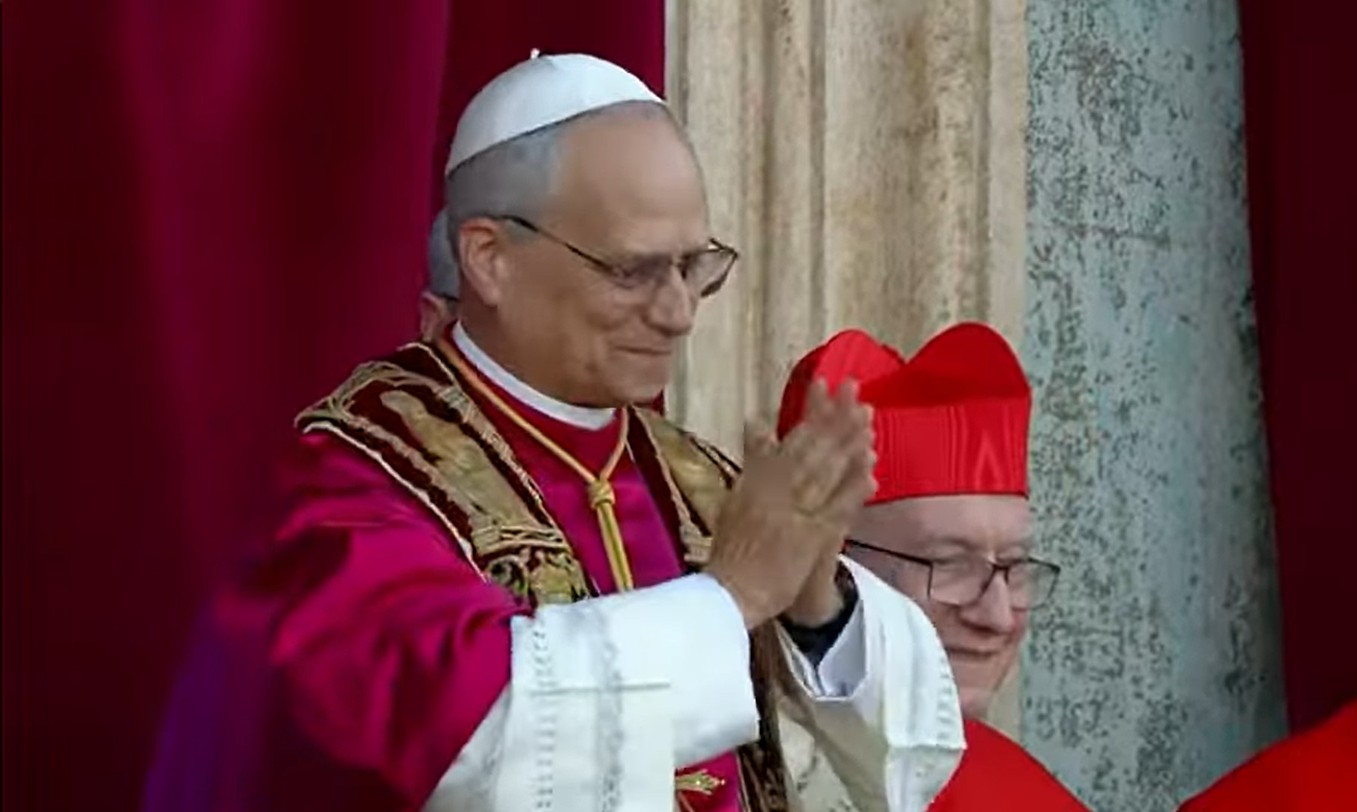

Pope Leo XIV decided to step into the geopolitical firestorm on Sunday, weighing in on the joint U.S. and Israeli strikes against the Iranian regime. His message was clear, and predictably gentle.
“I am following with deep concern what is happening in the Middle East and in Iran during this tumultuous time,” he wrote. “Stability and peace are not achieved through mutual threats, nor through the use of weapons, which sow destruction, suffering, and death, but only through reasonable, sincere, and responsible dialogue.”
He continued, warning of “the possibility of a tragedy of immense proportions” and urging all parties to halt the spiral of violence. “May diplomacy regain its proper role, and may the well-being of peoples, who yearn for peaceful existence founded on justice, be upheld. And let us continue to pray for peace.”
On the surface, it sounds noble. Peace is good. Dialogue is good. No one wakes up hoping for missile exchanges and military operations. But here is the uncomfortable reality that the Pope’s statement seems to glide past. The Iranian regime was not exactly hosting weekly book clubs on mutual understanding.
For decades, Tehran’s leadership funded proxy militias, armed terrorist groups, chanted “Death to America,” and openly called for the destruction of Israel. Negotiations were attempted repeatedly. Sanctions were imposed. Deals were signed, broken, renegotiated, and ignored. At some point, dialogue stops being a solution and starts becoming a stalling tactic.
That is why the reaction online was, to put it mildly, sharp. Social media lit up with critics accusing the Pope of naivety and moral equivalence. Many pointed out that telling democracies to stop defending themselves while a theocratic regime launches missiles and destabilizes an entire region feels detached from reality.
https://twitter.com/DougBillings/status/2028111722167357621This is the tension that always emerges when moral authority intersects with hard power. The Vatican speaks from a spiritual perspective. Nation states operate in a world where deterrence matters. When a regime spends decades threatening its neighbors and pursuing destabilizing policies, sermons about “reasonable, sincere, and responsible dialogue” can sound disconnected from the facts on the ground.
None of this diminishes the value of peace. The question is how peace is actually achieved. History shows that diplomacy often works best when backed by strength. Negotiations are far more “reasonable” when one side understands there are consequences for bad behavior.
The Pope is right about one thing. War brings destruction and suffering. It always does. But pretending that weapons are never part of preventing greater violence ignores centuries of history. Sometimes force is not the opposite of peace. Sometimes it is what forces peace to the table.
That nuance may not fit neatly into a Sunday appeal, but it is at the heart of the debate unfolding right now.
Leave a Comment