
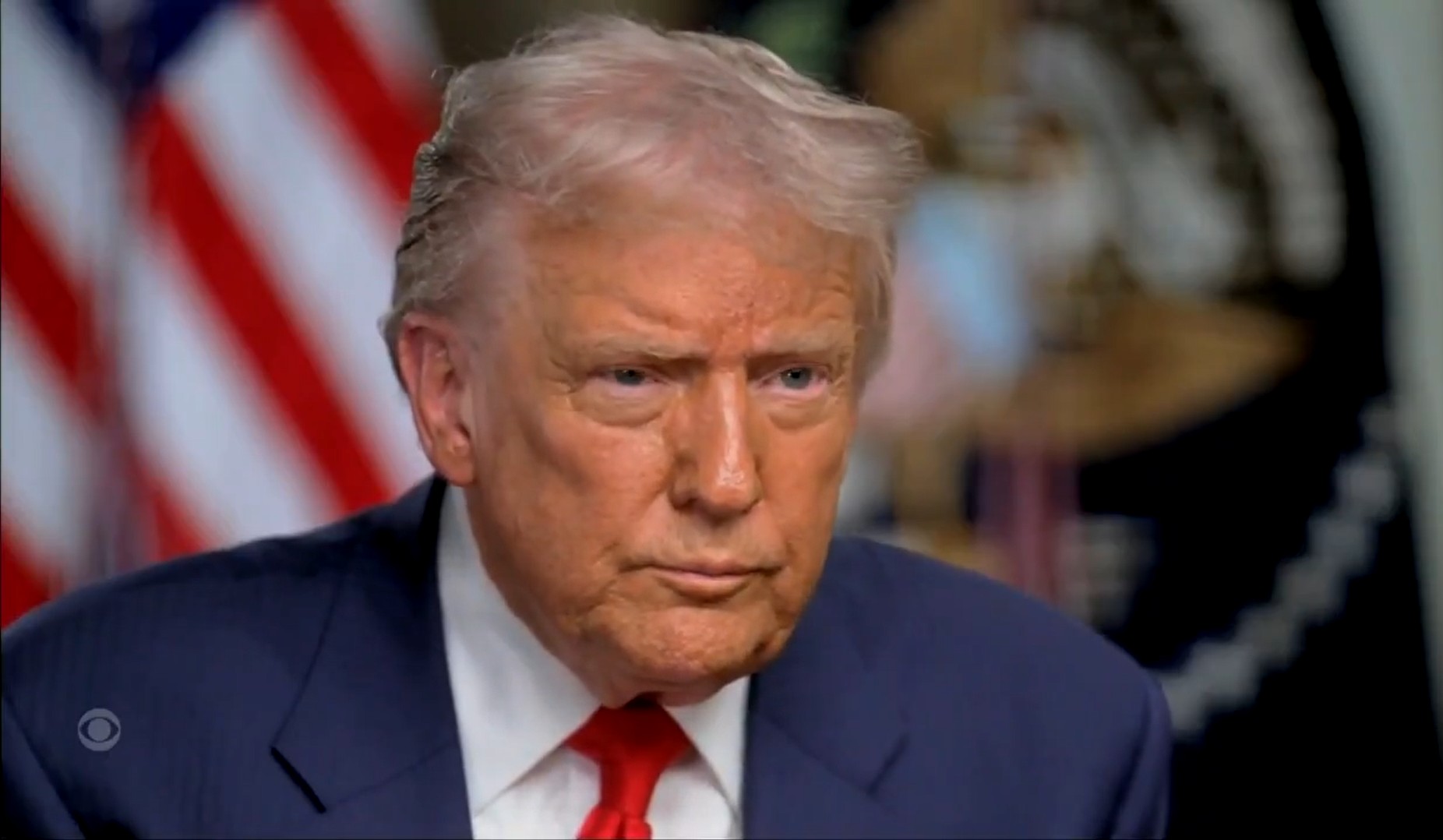

President Trump is once again doing something that sends the foreign policy establishment into a mild panic, questioning whether the United States should continue carrying an alliance that increasingly looks like a one-sided deal.
This time the spotlight is on NATO, and the timing couldn’t be more telling. Trump is meeting with Mark Rutte to discuss the possibility of a U.S. withdrawal, or at the very least, a serious recalibration of America’s role in the alliance. And the reason isn’t buried in some obscure policy dispute, it’s front and center.
During the recent Iran conflict, several NATO allies reportedly barred the United States from using their bases and airspace for offensive operations. That’s not a minor disagreement. That’s allies refusing to back the country that has spent decades underwriting their defense.
White House Press Secretary Karoline Leavitt didn’t sugarcoat it. She said NATO “was tested and they failed,” adding that it’s “quite sad” that the same American taxpayers footing the bill were effectively sidelined when it mattered. That’s the kind of statement that tends to make diplomats uncomfortable, but it also happens to reflect what a lot of Americans have been thinking for years.
Trump, for his part, has never been shy about calling out NATO’s imbalance. Even back in his first term, he was pushing European countries to increase their defense spending, and not politely asking either. Now, after another real-world stress test where allies declined to step up, the question naturally becomes, what exactly is the United States getting in return?
The meeting comes right after Trump helped broker a temporary pause in the Iran-Israel conflict, a two-week window aimed at cooling things down and reopening negotiations. The Strait of Hormuz, one of the most critical النفط chokepoints in the world, is part of that equation, and guess who was expected to help secure it? Europe. Guess who declined? Also Europe.
That context matters. This isn’t Trump waking up one morning and deciding to shake things up for fun. It’s a response to a pattern, allies enjoying the benefits of American protection while hesitating when the roles are reversed.
Now, before anyone starts drafting dramatic headlines about the end of NATO, there are legal hurdles. Congress would have to be involved in any formal withdrawal, thanks to provisions in recent defense legislation. So no, this isn’t happening overnight.
But the conversation itself is the point. Trump is forcing a long overdue question into the open, should American taxpayers continue to subsidize an alliance where commitment seems optional for everyone else?
Expect the meeting with Rutte to be, as Leavitt put it, “frank and candid.” Translation, it’s probably not going to be a polite exchange of diplomatic talking points. And frankly, after what’s unfolded over the past six weeks, polite might not be what’s needed.
Leave a Comment