
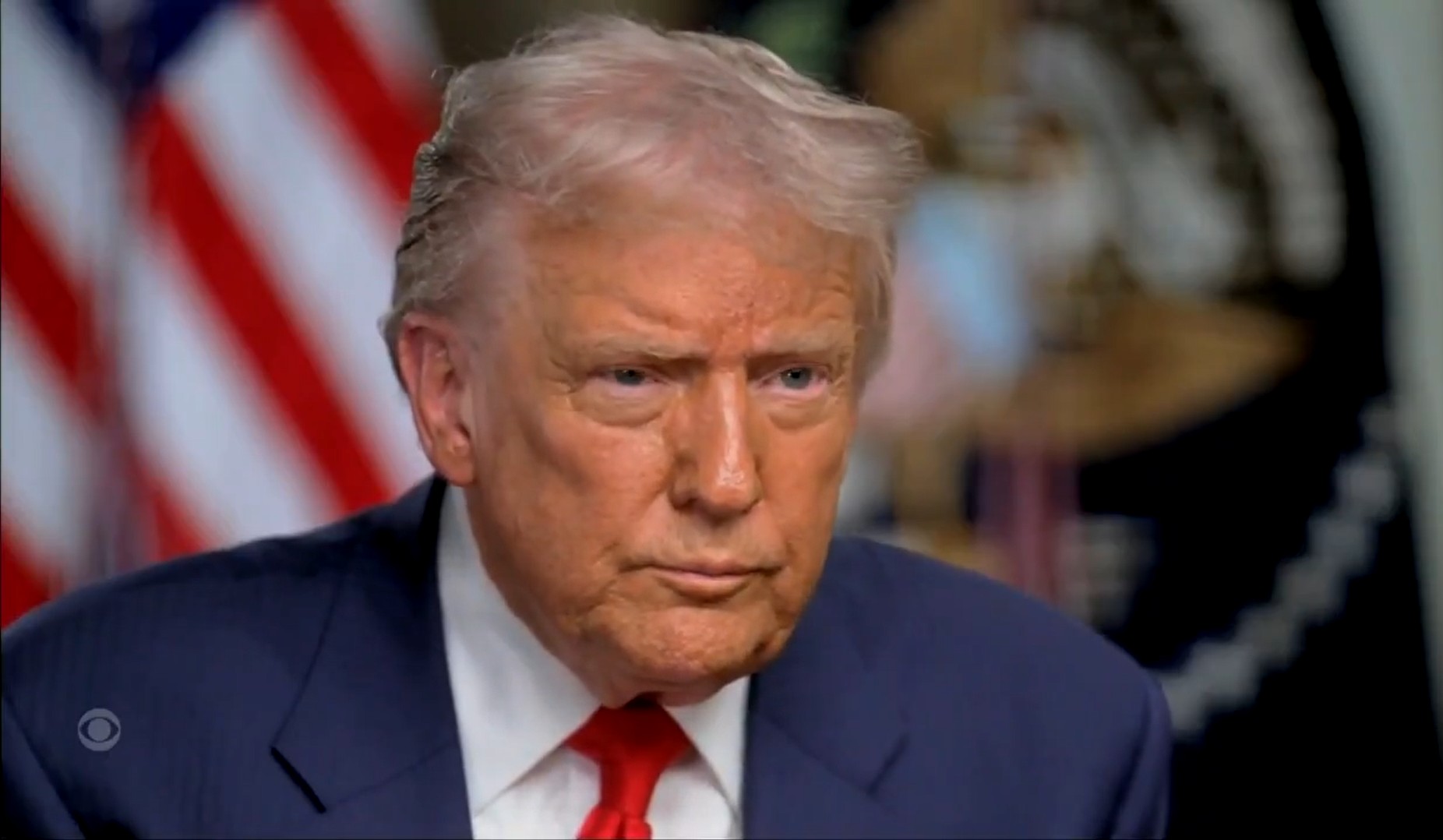

President Trump made it official Saturday morning, the United States is stepping in to clear the Strait of Hormuz, and he’s not exactly being subtle about why. In a Truth Social post that pulled no punches, President Trump framed the move as something the rest of the world should have handled but didn’t. Instead, the U.S. is once again doing the heavy lifting while other nations watch from a safe distance.
For anyone wondering why this matters, the Strait of Hormuz isn’t just another stretch of water. It’s one of the most critical chokepoints on the planet, with roughly 20 percent of the world’s oil supply moving through it under normal conditions. When that flow gets disrupted, everything from gas prices to global supply chains starts to feel the strain. That’s exactly what’s been happening after Iranian threats and sea mines turned the region into a high-stakes bottleneck.
President Trump didn’t mince words about Iran either. He blasted media narratives suggesting that Iran is somehow coming out ahead, calling that idea flat-out ridiculous. According to Trump, Iran’s military capabilities have been severely degraded, from its navy to its missile infrastructure. He painted a picture of a regime that’s not winning anything, despite what certain headlines might suggest.
And then there’s the broader message, which is classic Trump. While countries like China, Japan, South Korea, France, and Germany all rely heavily on that oil flowing freely, none of them stepped up to deal with the problem. So now the U.S. is doing it, again. Trump called it a favor, though it’s the kind of favor that comes with a pretty clear undertone, maybe start pulling your own weight.
Interestingly, there’s already a shift happening in the global energy picture. President Trump noted that oil tankers from multiple nations are now heading toward the United States to load up on American oil instead of relying on the Middle East. That’s not just a short-term adjustment, it’s a signal that energy markets are adapting quickly to the instability in the region.
Meanwhile, U.S. Navy ships have been spotted moving through the strait, signaling that this isn’t just talk. The process of clearing mines and securing the passage is underway, and it’s a reminder of who still has the capability to project power when it counts.
The bigger picture here is pretty straightforward. When a critical global artery gets clogged, somebody has to fix it. Right now, that somebody is the United States. Whether the rest of the world takes that as a wake-up call or just keeps enjoying the benefits without contributing is another question entirely.
Leave a Comment