
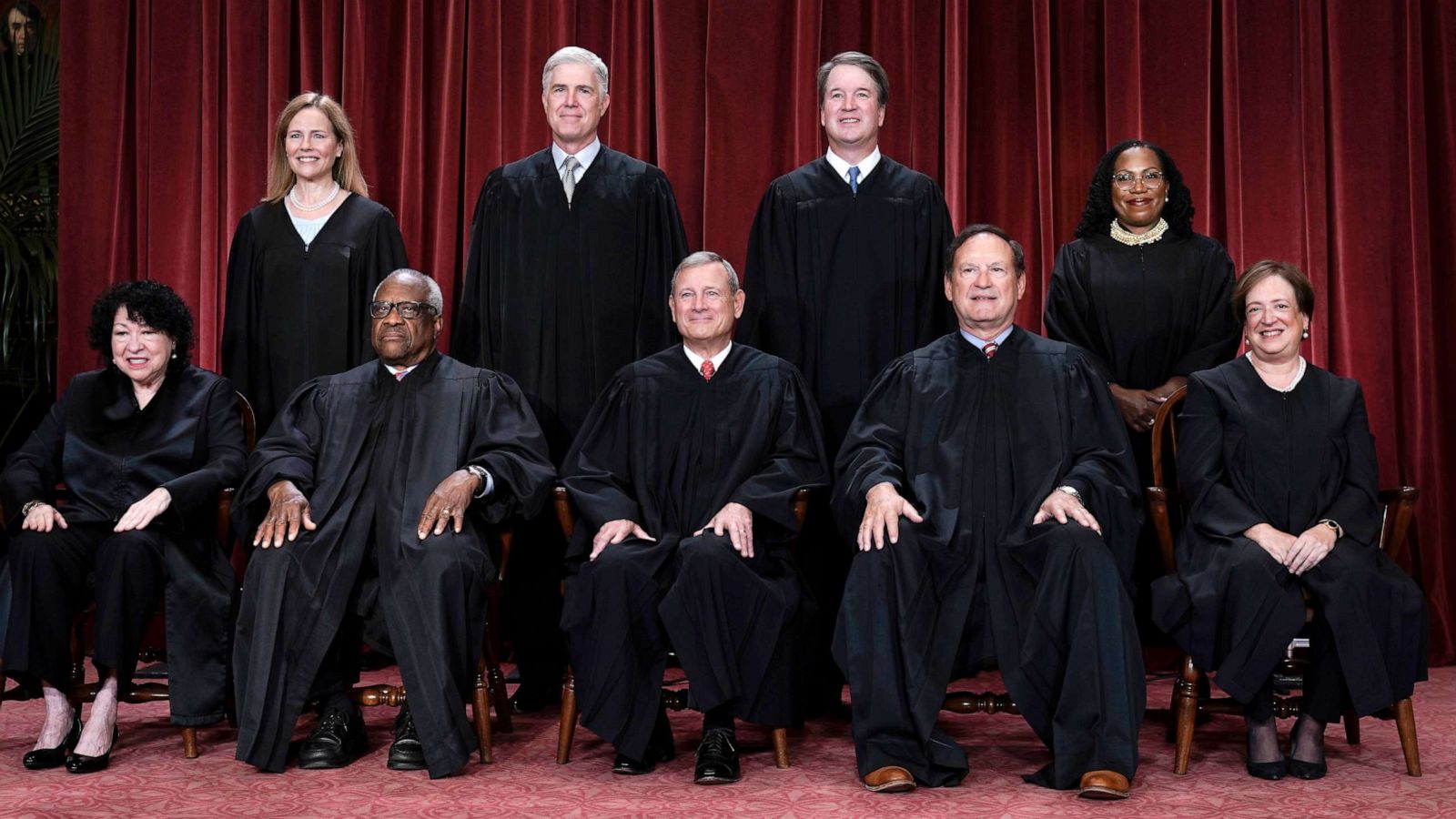

The Supreme Court delivered a significant win for election integrity on Wednesday, reviving a lawsuit that challenges one of the most abused practices in modern elections. In a 7–2 decision, the Court ruled that Illinois Republican Congressman Mike Bost has legal standing to sue his home state over its practice of counting mail-in ballots that arrive after Election Day. That ruling alone sends a message that candidates are no longer expected to sit quietly while election rules are manipulated around them.
Chief Justice John Roberts wrote the majority opinion, joined by five conservatives and, notably, Justice Elena Kagan. Roberts made a point that should never have been controversial in the first place. Candidates are not spectators in their own elections. They have a direct, personal stake in how votes are counted and how results are determined. That is called common sense, something often missing from election law debates.
The Court did not rule on whether Illinois’ late ballot-counting policy is legal. It simply said Bost has the right to challenge it in court. Lower courts had dismissed his case by claiming the disputed ballots were unlikely to change his election outcome. That logic has always been absurd. Election laws are not supposed to be enforced only when margins are razor-thin. They are supposed to be followed, period.
Predictably, Illinois officials screamed about “chaos,” warning that allowing candidates to sue would overwhelm election administrators. This is the same tired argument used every time accountability is introduced. More than a dozen states and Washington, D.C., currently allow ballots to be counted after Election Day, a practice repeatedly criticized by President Trump for undermining confidence in elections.
Justice Ketanji Brown Jackson, joined by Justice Sonia Sotomayor, dissented and accused the Court of abandoning standing requirements and dragging the judiciary into politics. That complaint rings hollow. Courts are already deeply involved in election rules, usually at the request of states defending questionable practices. Allowing candidates to challenge those rules does not politicize the judiciary, it balances it.
Roberts pushed back, noting there is little reason to believe candidates will waste resources filing frivolous lawsuits. He is right. Lawsuits are expensive, time-consuming, and risky. Candidates file them when something is genuinely wrong.
Justices Amy Coney Barrett and Kagan concurred but offered a narrower rationale, arguing Bost had standing due to financial costs related to monitoring late ballot counts. Fine. The end result is the same. The case moves forward.
This ruling matters far beyond Illinois. It reopens the courthouse doors that were slammed shut after the 2020 election, when courts bent over backwards to avoid touching election disputes. Whether one likes President Trump or not, the fallout from that election created a dangerous precedent where questionable rules became untouchable.
Now that precedent is cracking. Candidates once again have a path to challenge election procedures that stretch Election Day into Election Week. That is not chaos. That is accountability, and it is long overdue.
Leave a Comment