
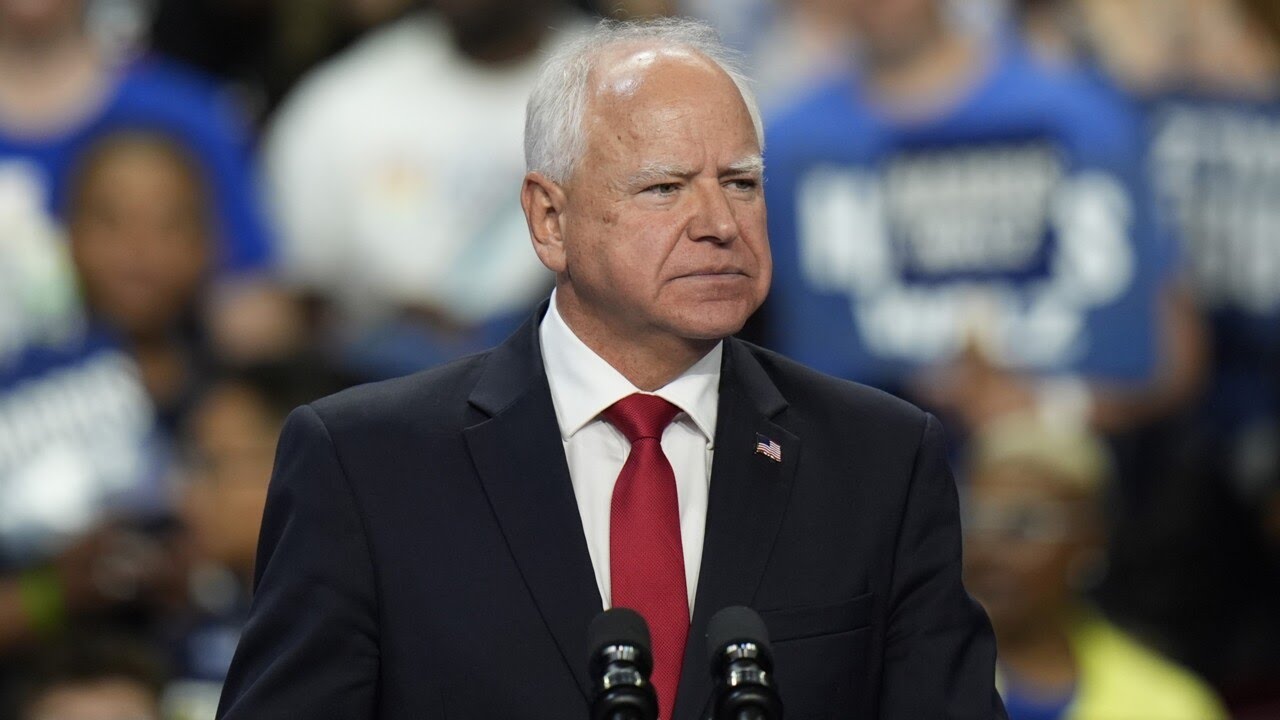

Minnesota Gov. Tim Walz walked into a House Oversight Committee hearing expecting a tough day. What he got instead looked more like a political woodchipper.
House Republicans spent hours hammering Walz and Minnesota Attorney General Keith Ellison over what they described as one of the most staggering fraud disasters involving taxpayer money in recent memory. At the center of the grilling was the Feeding Our Future scandal, a pandemic era food aid program that federal prosecutors say ballooned into roughly a $250 million fraud operation.
But the moment that really landed came when Republicans drilled down on a simple question. Why did Walz’s administration restart payments to the organization after serious fraud concerns had already been raised?
Chairman James Comer kicked things off by accusing Minnesota’s leadership of overseeing “one of the most extensive breakdowns of oversight this Committee has ever examined.” According to Comer’s office, federal prosecutors estimate as much as $9 billion may have been stolen across 14 Medicaid programs in the state. The committee’s interim report also claims whistleblowers warned state officials repeatedly while the money kept flowing.
Then Rep. Jim Jordan stepped in and focused on a detail that has become a massive headache for Walz.
The governor had previously suggested that a judge forced Minnesota officials to resume payments to Feeding Our Future after the state tried to stop them. If that were true, it would shift some of the blame away from the administration.
There was just one problem with that explanation. The judge said it never happened.
Judge John Guthmann issued a public statement that could not have been clearer. He said he “never ordered the Department of Education to resume payments to FOF in April 2021, or at any other time.” The court also stated the department “voluntarily resumed making payments” and that those reimbursements were made “without any court order.”
The statement went further, explaining it was issued specifically because of “inaccurate statements by the Governor” and others.
That is the detail Jordan kept circling back to during the hearing. Walz attempted to explain that agency lawyers believed the court’s actions effectively required payments to restart. But once the judge himself publicly contradicted the governor’s explanation, that defense started to look pretty thin.
Republicans argued the administration tried to hide behind the court rather than admit the decision came from inside the state government.
The broader scandal continues to hang over Walz’s administration like a storm cloud. Earlier hearings already featured testimony that fraud warnings were raised repeatedly by officials and investigators. Those warnings, according to witnesses, were documented and ignored while huge sums of taxpayer money were distributed.
Now the political problem for Walz is bigger than just the fraud itself. Every administration deals with mistakes or bad actors somewhere in government programs.
What turns a problem into a full blown political disaster is when the explanation falls apart in public. When Republicans can point to a written statement from a judge saying the governor’s version of events is wrong, the debate becomes very simple.
And simple political problems are usually the hardest ones to escape.
Leave a Comment