
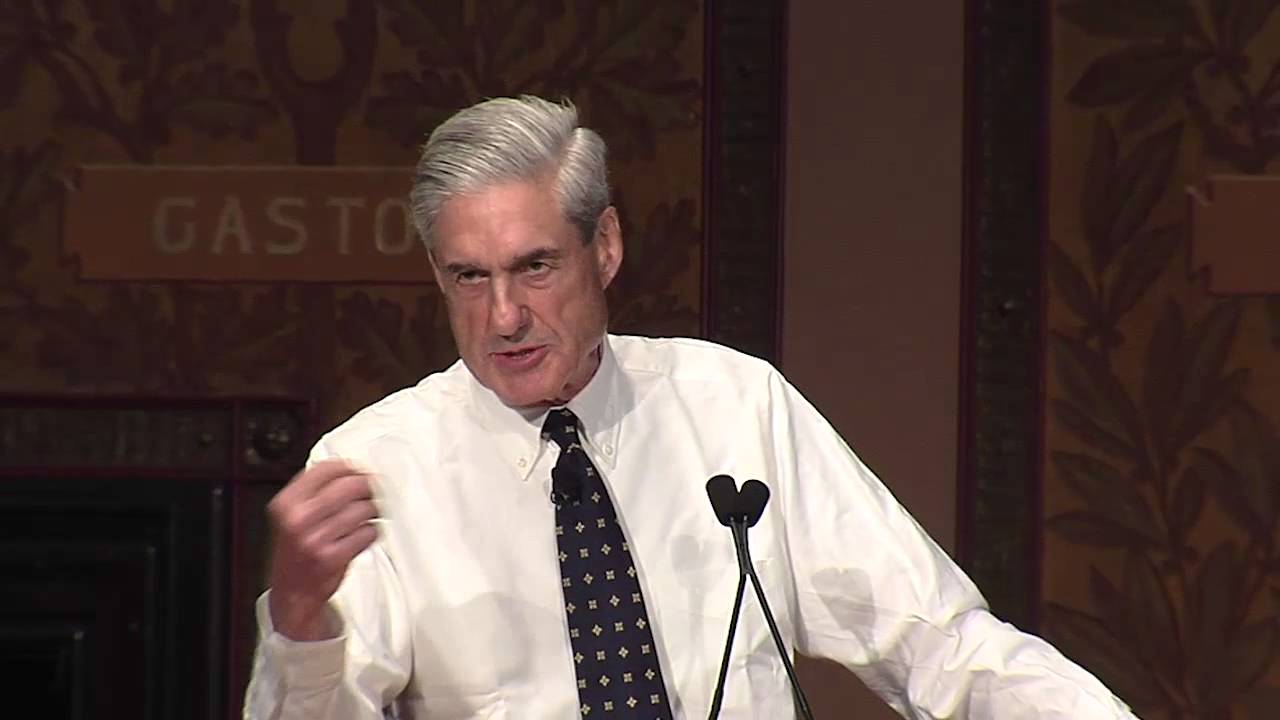

President Trump has never been known for soft, polished reactions, and his response to the death of former FBI Director Robert Mueller stayed true to form. Within hours of the announcement that Mueller had passed away at 81, President Trump took to Truth Social and delivered a blunt assessment that immediately set off the usual outrage cycle. His words were direct, harsh, and very much in line with how he has viewed Mueller for years.
“Robert Mueller just died. Good, I’m glad he’s dead. He can no longer hurt innocent people!” Trump wrote, leaving no room for interpretation about how he felt regarding the man who led the Russia investigation that consumed much of his first term.
To understand that reaction, you have to rewind to what Mueller represented during those years. Mueller was appointed special counsel in 2017 after the firing of James Comey, and he inherited a sprawling investigation into alleged Russian interference in the 2016 election. The probe, commonly tied to the FBI’s Crossfire Hurricane operation, quickly became the centerpiece of political warfare in Washington.
At the heart of that investigation was the now infamous Steele dossier, a collection of unverified claims put together by a former British intelligence officer. That document was used, at least in part, to justify surveillance efforts targeting Trump associates. Critics have long argued that the entire operation was built on shaky ground, fueled more by political motivation than solid evidence.
The investigation stretched on for nearly two years, dominating headlines and casting a cloud over the administration. When Mueller finally delivered his report in 2019, it did not establish that Trump or his campaign conspired with Russia. That key conclusion was confirmed by then-Attorney General Bill Barr, who stated plainly that no coordination had been found.
Still, the damage had already been done. The probe resulted in charges against several individuals, though many were for process-related offenses like making false statements rather than any grand conspiracy. For Trump and his supporters, it reinforced the belief that the investigation was less about justice and more about dragging out a political narrative.
That perception was later strengthened by Special Counsel John Durham’s findings, which concluded that the FBI opened Crossfire Hurricane without sufficient evidence. For many, that report confirmed what they had suspected all along, that the investigation should never have gotten off the ground in the first place.
So when President Trump reacted to Mueller’s death, it wasn’t just about one man. It was about years of political battles, media frenzy, and what he views as a deeply flawed investigation that targeted him and his campaign. His comments may be jarring to some, but they reflect a long-standing frustration that has never really faded.
In today’s political climate, even a death becomes a flashpoint. And if there’s one thing that hasn’t changed, it’s that President Trump is still willing to say exactly what he thinks, whether Washington likes it or not.
Leave a Comment