
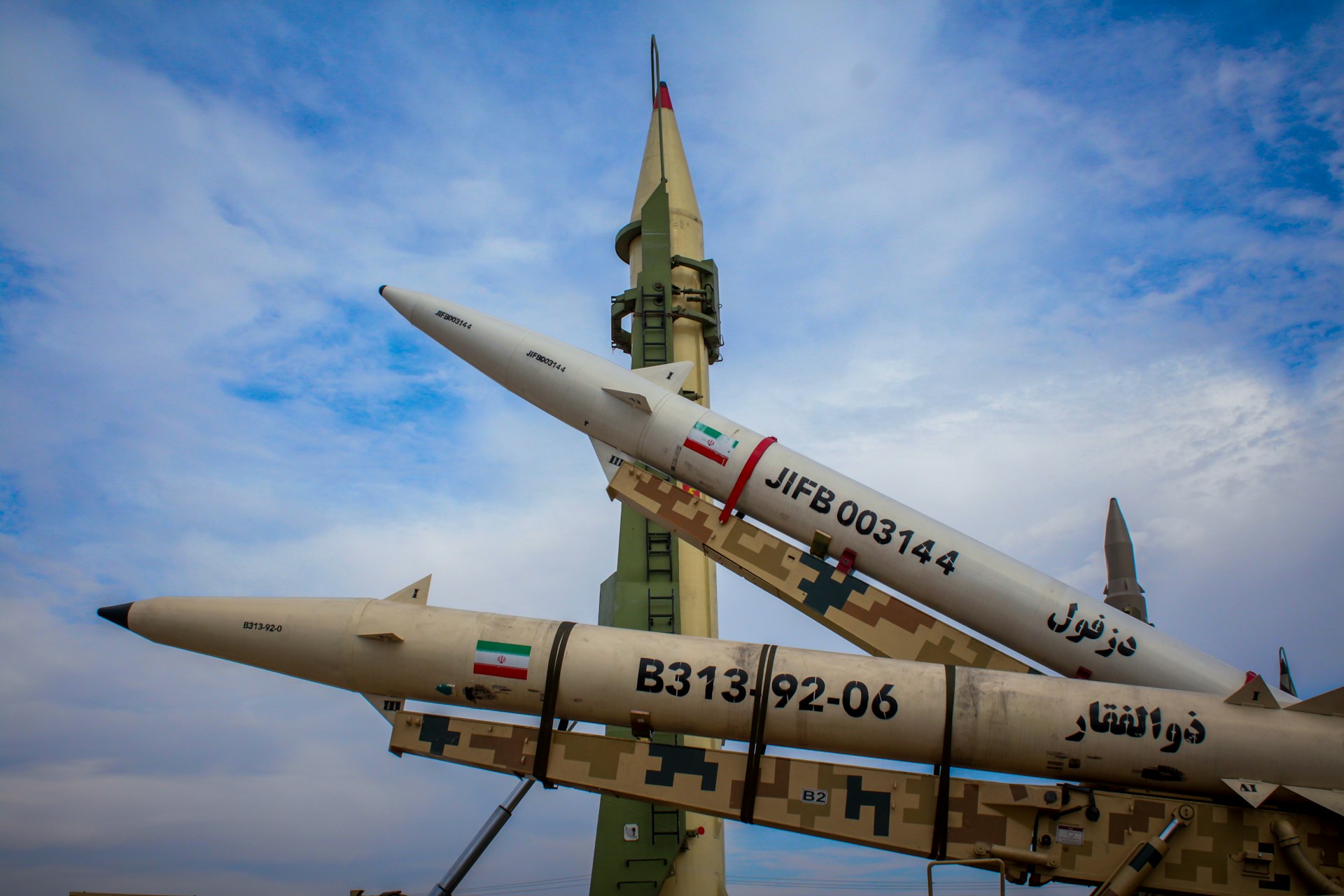

President Trump says the United States is moving closer to a major decision on Iran as military operations continue to intensify across the Middle East and global energy markets react to the growing instability.
Speaking with Axios on Thursday, President Trump indicated that his administration is weighing an expansion of the current military campaign against Iran following nearly two weeks of sustained U.S. strikes.
“I am considering a massive attack. Bigger than ever before,” President Trump said. “I am close to making a decision. We are all set for it.”
The president did not provide a timeline for when that decision could be announced, but his comments suggest military planners are already prepared should he choose to authorize additional operations.
President Trump also addressed the possibility of diplomacy, saying Iran continues to express interest in negotiations. However, he argued the regime has not yet experienced sufficient consequences to agree to terms acceptable to the United States.
According to the president, Tehran has not endured “enough pain” to return to the negotiating table under conditions Washington would consider acceptable.
The remarks come as tensions continue rising following the collapse of the ceasefire between the United States and Iran. Military activity has accelerated, and concerns are growing that the conflict could expand beyond its current scope.
The economic impact is already being felt.
Oil prices climbed above $100 per barrel on Thursday, marking their highest level since late May as investors reacted to fears that the fighting could threaten energy production and shipping routes throughout the Middle East. With the region supplying a significant share of the world’s oil, even limited disruptions have the potential to ripple through global markets.
Meanwhile, the U.S. military has now conducted strikes against Iran for 12 consecutive nights. American forces have also continued reinforcing their regional presence, signaling that military planners are preparing for the possibility of a prolonged conflict.
Among the latest developments, a B-1 bomber was reportedly used in combat for the first time since hostilities resumed. Additional special operations personnel have also been deployed, while another 150 medical personnel have been sent to a U.S. military hospital in Germany that treats service members wounded during Middle East operations.
The conflict is also expanding beyond Iran itself.
Iran-backed Houthi rebels in Yemen claimed responsibility for two attacks Wednesday night targeting Saudi oil tankers operating in the Red Sea. Those attacks have renewed concerns over the security of one of the world’s most important shipping lanes.
Energy analysts have warned that continued attacks on commercial vessels or oil infrastructure could further disrupt Saudi Arabia’s export routes through the Red Sea, placing even greater pressure on already volatile oil markets.
Back in Washington, the military campaign is creating political challenges as well.
Republicans defending narrow congressional majorities are reportedly growing concerned that a lengthy conflict combined with rising gasoline prices could become a significant issue during next year’s midterm elections. Historically, spikes in fuel prices have quickly become kitchen-table issues for American families, making energy costs a closely watched political concern regardless of the underlying cause.
For now, attention remains focused on President Trump’s next move. His comments suggest the administration believes additional military options remain on the table while continuing to leave open the possibility of negotiations under different circumstances.
Whether the White House ultimately authorizes a broader offensive or returns to diplomacy, events over the coming days could shape not only the trajectory of the conflict but also global energy markets and the political landscape at home. As military operations continue and tensions remain high, the world is watching to see whether President Trump moves forward with what he described as a potentially unprecedented expansion of the campaign against Iran.
Leave a Comment