
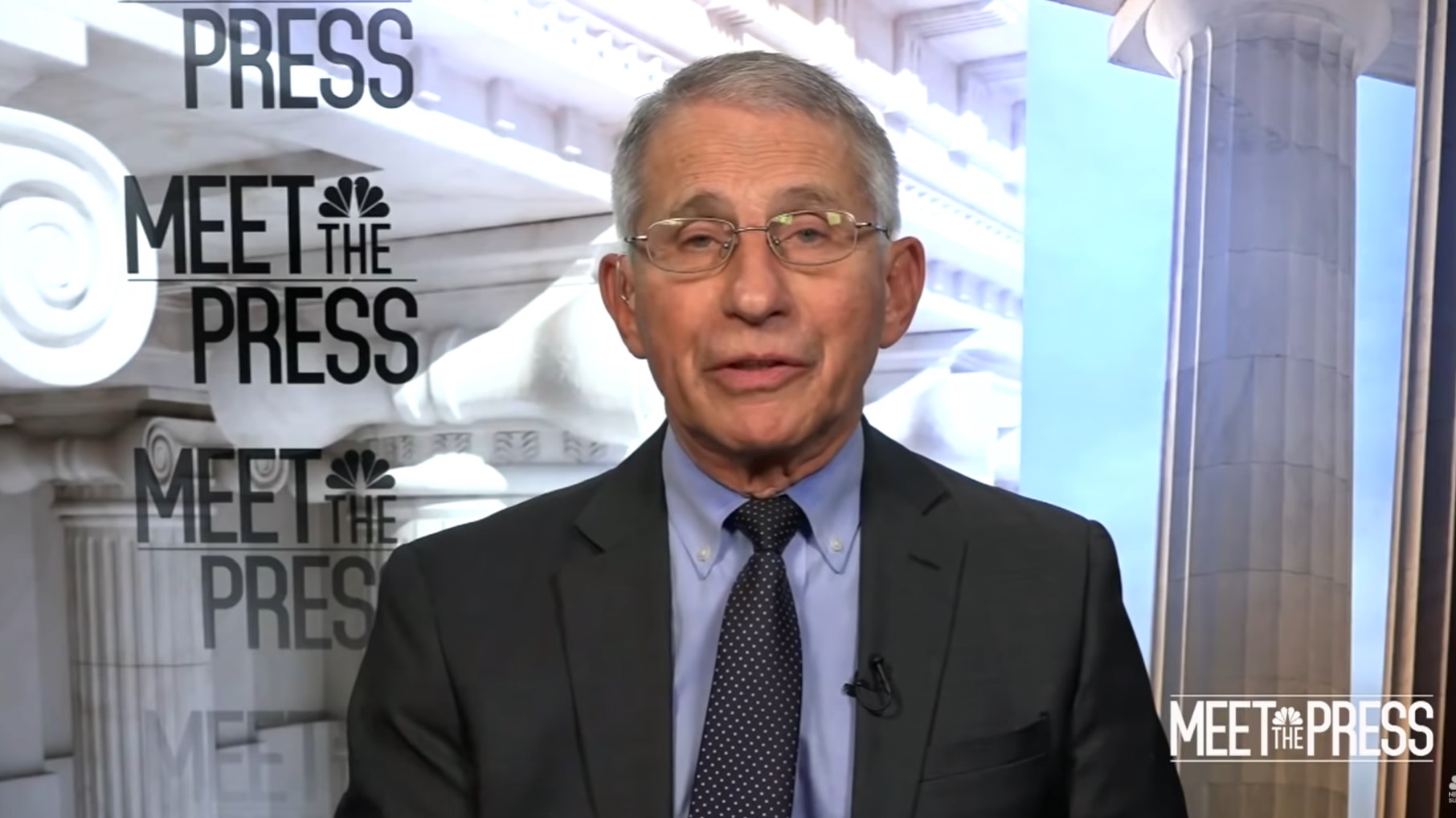

Newly released diary entries from Dr. Anthony Fauci are providing an extraordinary behind-the-scenes look at internal battles over COVID-19 treatments and vaccines during the final months before the 2020 presidential election. The journals, released by Sen. Rand Paul, reveal that Fauci privately believed efforts to accelerate emergency authorizations for vaccines and therapeutics were being driven by political considerations rather than scientific evidence.
The entries, first highlighted by Justin Hart of the Rational Ground Substack, span several months in 2020 and describe what Fauci repeatedly characterized as an attempt to deliver President Trump an “October surprise” ahead of Election Day. According to the journals, Fauci viewed pressure for rapid approvals as coming from several high-ranking administration officials while documenting his own efforts to support FDA scientists who wanted more time to evaluate the available data.
One of the earliest entries, dated June 20, 2020, focused on then-White House coronavirus response coordinator Deborah Birx. Fauci expressed frustration over what he described as Birx’s desire to bypass traditional clinical trials in favor of emergency use authorizations.
“Deb has ststed [sic] that we should noit [sic] do clinical trials since ‘I want to see every infected person in a nursing home get plasma early on and steroids later. Forget the trial, we need to do this on EUAs.’ She says the same thing about vaccine trials. Clearly, she is trying to provide Trump with his October surprise. I may need to blow the whistle on her.”
That entry suggests Fauci believed months before the election that political concerns were influencing discussions surrounding vaccine development and treatment approvals.
His concerns did not stop there. In a July 26 diary entry, Fauci wrote that after watching then-White House Chief of Staff Mark Meadows on television, he believed Meadows was “trying to get an ‘October Surprise’” by pushing for an early vaccine authorization.
The following day, after briefing President Trump in the Oval Office on vaccine development, Fauci recorded that the president acknowledged a vaccine might not be available before Election Day, although Fauci noted that “he was not happy about it.”
Perhaps the most significant entries involve communications Fauci recorded with Larry Horowitz, whom Fauci identified as someone working closely with then-House Speaker Nancy Pelosi. According to the diary, Horowitz warned Fauci that senior administration officials were allegedly discussing emergency authorization for AstraZeneca’s vaccine before FDA reviewers believed the data was ready.
In a July 31 entry, Fauci wrote that Horowitz informed him about an alleged White House meeting involving Mark Meadows, Treasury Secretary Steve Mnuchin, Pelosi, and Senate Democratic Leader Chuck Schumer. Fauci claimed Horowitz warned that pressure would soon be placed on FDA Commissioner Stephen Hahn to approve the vaccine despite concerns from Peter Marks, the FDA official overseeing vaccine reviews.
Fauci summarized the situation bluntly.
“Clearly. This is politically driven and will be a ploy for Trump to get re-elected.”
The journals reveal that Fauci did more than simply record his concerns. In an Aug. 7 entry, he documented personally contacting Peter Marks alongside NIH Director Francis Collins and Fauci deputy Cliff Lane to assure the FDA official they would support him if he refused to approve a vaccine prematurely.
According to Fauci, Marks described AstraZeneca’s submission as “a hot mess” and believed it was nowhere near ready for an emergency authorization.
The diaries also describe similar concerns surrounding hydroxychloroquine, convalescent plasma, and monoclonal antibody treatments. Fauci repeatedly suggested that career FDA scientists wanted additional time to evaluate safety and effectiveness while political appointees were pushing for faster approvals before the election.
One of the final entries, written just days before Election Day, focused on emergency authorization requests for monoclonal antibody treatments from Eli Lilly and Regeneron. Fauci highlighted the passage in red ink, writing that “some potentially nefarious stuff” was taking place as Health and Human Services Secretary Alex Azar allegedly pushed the FDA to move more quickly.
Taken together, the newly released journals portray months of internal disagreements over how quickly COVID-19 treatments and vaccines should reach the public. Whether lawmakers view those entries as evidence of political pressure, bureaucratic resistance, or something in between, they are expected to become a major focus as Fauci returns to Capitol Hill to answer questions about the federal government’s pandemic response.
Leave a Comment