
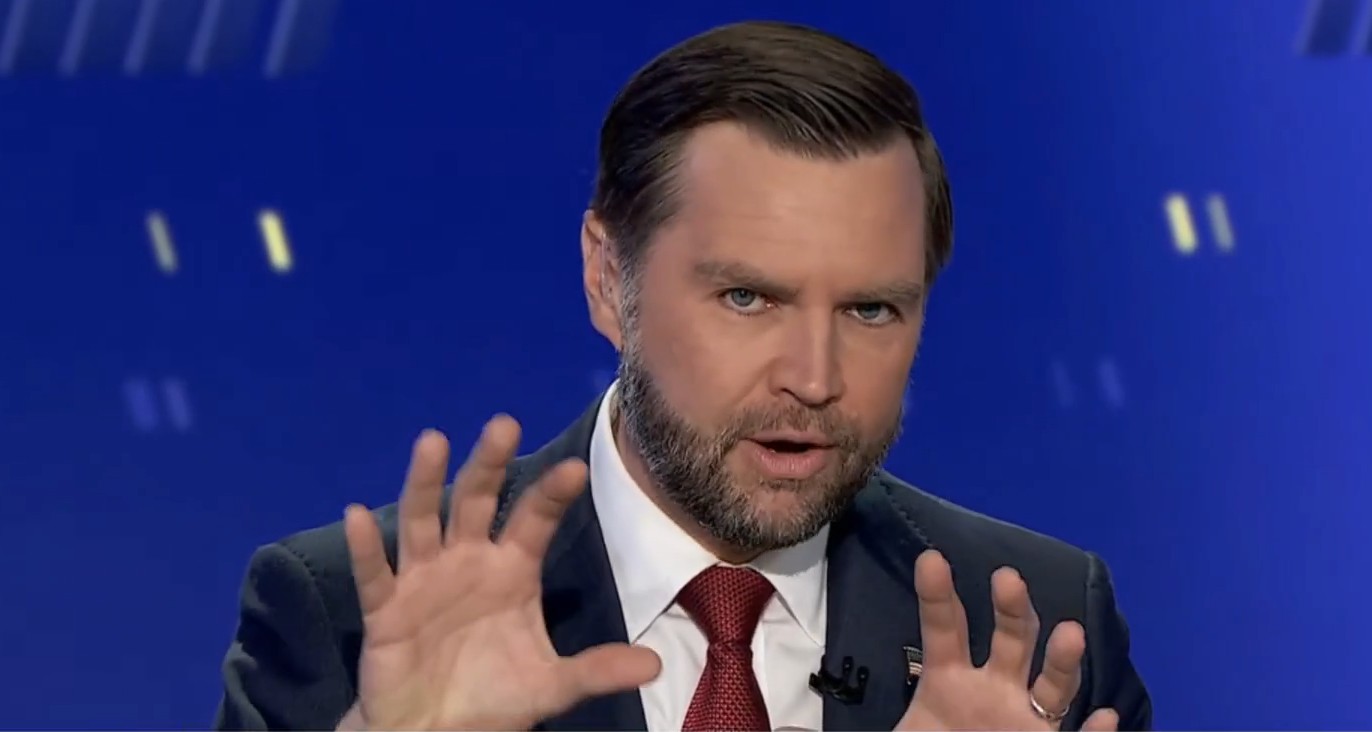

As the Trump administration navigates one of the most sensitive foreign policy challenges of its second term, a new report suggests Secretary of State Marco Rubio is taking a noticeably lower-profile role in negotiations with Iran while Vice President JD Vance assumes a more public position in the effort.
According to Axios, Rubio has largely stayed out of the spotlight as discussions with Tehran continue, leaving Vance closely associated with a diplomatic initiative that could either become a major political victory or a significant liability. One U.S. official quoted by the outlet summed up the dynamic in blunt terms, saying Rubio is “waiting to see if Vance self-destructs.”
Whether that assessment is fair or simply Washington gossip dressed up as insider analysis is another question entirely. The nation’s capital has never met a rumor it didn’t want to turn into a strategy memo.
The reported divide reflects different roles inside President Trump’s foreign policy team. Sources told Axios that Rubio is generally viewed as taking a more pro-Israel approach, while Vance has emerged as a voice urging caution about deeper U.S. involvement in Middle East conflicts.
Those differences reportedly surfaced during internal discussions surrounding a memorandum of understanding between the United States and Iran signed earlier this month. Vance, along with special envoys Steve Witkoff and Jared Kushner, reportedly encouraged President Trump to move forward with the agreement. Supporters argued the deal could help reopen the Strait of Hormuz, stabilize global oil markets, and reduce energy prices for American consumers.
Rubio, according to the report, expressed greater skepticism. His concerns reportedly centered on whether Iran could be trusted to commit to a long-term agreement that would meaningfully restrict its nuclear ambitions.
The debate comes at a tense moment. Recent exchanges of drone and missile strikes between the United States and Iran have placed additional strain on an already fragile ceasefire. That reality has raised the stakes for everyone involved.
For Vance, the negotiations represent a significant opportunity. If diplomacy succeeds and produces tangible results, supporters could point to lower energy prices and reduced regional tensions as evidence that he can effectively advance President Trump’s America First agenda on the global stage.
If the effort falls apart, however, critics will likely remember exactly who was out front defending it.
Administration officials have pushed back against suggestions that Rubio and Vance are operating from opposing camps. White House spokeswoman Anna Kelly dismissed speculation of any feud, emphasizing that the administration remains united behind President Trump’s objective of ensuring Iran never acquires a nuclear weapon.
Still, the political implications are impossible to ignore. Both Rubio and Vance are widely viewed as potential heirs to the MAGA movement after President Trump leaves office. The president himself has reportedly discussed both men with advisers and donors and has even floated the possibility of a Vance-Rubio ticket in 2028.
That makes every major policy challenge a potential audition.
For now, Vance is carrying much of the public burden associated with the Iran talks, while Rubio maintains a more measured presence. It may simply reflect different responsibilities within the administration. Or it may be a reminder that in politics, sometimes the safest place to stand is just outside the blast radius while someone else tests the ceasefire.
Leave a Comment