
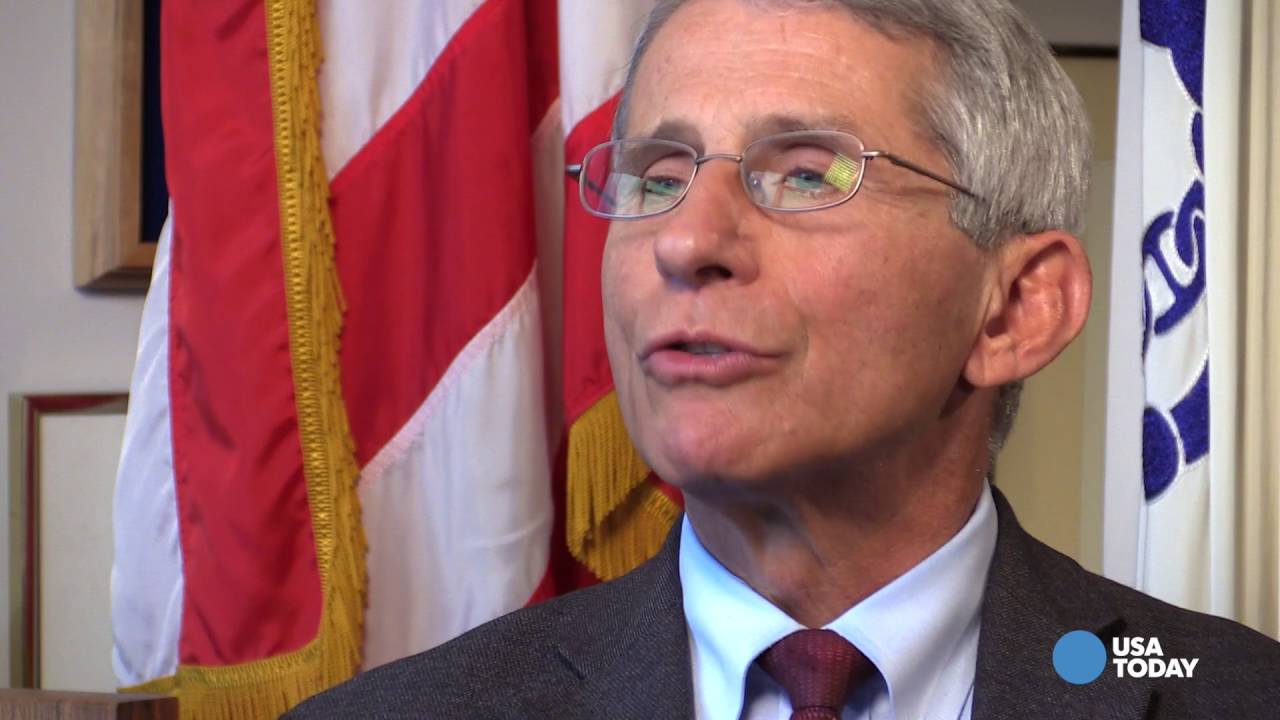

For years, Americans were told to trust the experts, stay quiet, and stop asking inconvenient questions. Now one of the men deep inside that expert machine is facing federal charges, and suddenly those old questions look a lot less crazy.
David M. Morens, a longtime senior adviser to Dr. Anthony Fauci, has been indicted after prosecutors say he used private email accounts during the pandemic to keep important government discussions out of public view. Apparently, transparency was considered essential for everyone else, just not the people running the show.
According to the indictment, Morens is accused of shifting sensitive conversations away from official government systems and into private inboxes, where Freedom of Information Act requests could not easily reach them. If true, that is not some harmless clerical mistake. That is an effort to hide the ball while millions of Americans were being told they needed to obey every mandate, every policy shift, and every press conference sermon.
The allegations go further. Prosecutors say these concealed discussions involved a controversial coronavirus research grant connected to China’s Wuhan Institute of Virology. Americans spent years being mocked for wanting answers about Wuhan, lab safety, and where the virus actually came from. Turns out some people inside government were discussing those very topics behind closed digital doors.
Even more damaging are claims that Morens acted as a backchannel operator, passing information upward to senior officials who then briefed the White House, Congress, and the public. In plain English, that means the public-facing statements may have been polished products shaped by conversations the public was never meant to see. How comforting.
Then there are the allegations involving gifts, wine, and expensive meals from a collaborator. Washington has a magical ability to turn perks into “networking” and favors into “professional relationships.” Regular citizens call it something else.
Morens had already faced scrutiny from House lawmakers over prior emails. He reportedly described some messages as “black humor.” Americans who lost businesses, missed funerals, watched children fall behind in school, or got lectured daily about sacrifice may not find the humor quite as charming.
The charges include conspiracy, destruction, and concealment of federal records, along with related offenses. If convicted, he could face serious prison time. That is what tends to happen when records belong to the public rather than to bureaucrats treating agencies like private clubs.
This case is about more than one man in one office. It goes straight to the credibility crisis surrounding public health leadership during the pandemic. People were censored for asking questions. Journalists often acted like cheerleaders. Politicians hid behind lab coats. Meanwhile, if these allegations are accurate, some insiders were busy making sure the paper trail stayed conveniently thin.
Americans deserved honesty during the biggest public crisis in generations. Instead, they may have gotten secrecy, spin, and side-channel emails. Nothing says “trust the science” quite like deleting the receipts.
Leave a Comment