
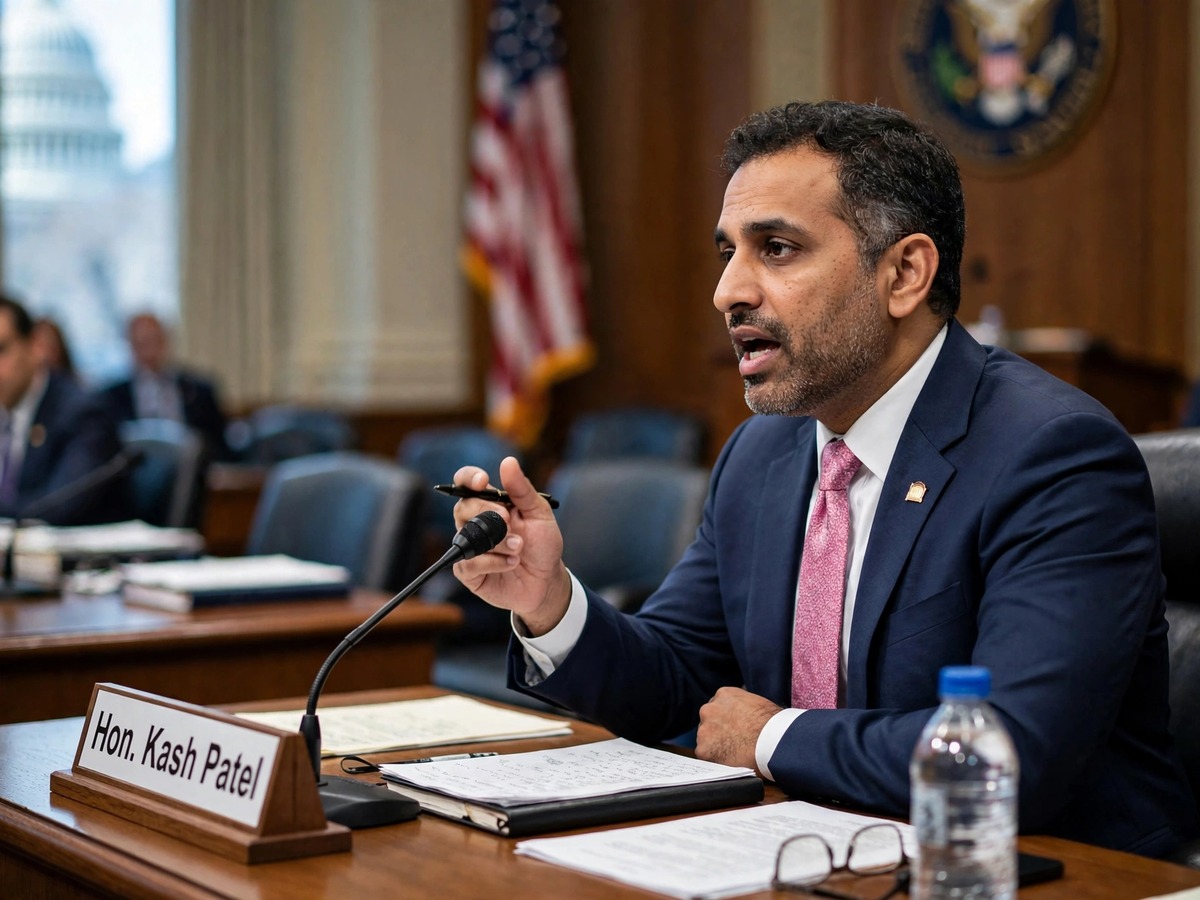

The FBI has now put a running tally on Minnesota’s sprawling fraud scandal, and the numbers are large enough to make any taxpayer reach for a calculator. FBI Director Kash Patel said Friday that 81 people have been charged and 70 have been convicted in the broader Feeding Our Future investigation. Federal officials say the alleged fraud exceeds $500 million. That is not a rounding error, unless someone has been doing the rounding with a very creative accounting department.
Those figures were not all announced Friday. Patel was describing the cumulative results of the broader case, which is one part of a fraud problem federal officials say reaches across Medicaid, SNAP, autism services, housing assistance and other public programs. The Trump administration says investigators executed 17 search warrants in one day, arrested four people accused of Medicaid fraud and opened a new phase involving more subpoenas, financial scrutiny and cash rewards for whistleblowers.
According to the Justice Department, federal prosecutors and investigators have charged, convicted or sentenced 13 defendants since September 30 in cases involving nearly $83 million in intended losses. Roughly $29.1 million of that amount came from fraud allegedly uncovered in newly charged cases. The DOJ also says it has issued more than 1,000 subpoenas and executed more than 40 premises warrants in Minnesota this year.
The investigation involves the FBI, IRS Criminal Investigation, HHS investigators, Homeland Security Investigations, the U.S. Postal Inspection Service and Minnesota law-enforcement partners. The newly described allegations are not one single scheme. They include billing Medicaid for services prosecutors say were never delivered, submitting claims while supposed providers or recipients were traveling, paying kickbacks to parents and creating false records to justify reimbursements.
In one case, prosecutors accuse a qualified supervising professional of allowing autism-therapy providers to bill Medicaid without properly completing the required oversight. In another, a defendant allegedly used artificial intelligence to create fake patient notes supporting claims. AI-generated paperwork does not magically turn a nonexistent service into a legitimate bill, no matter how polished the document looks. These are allegations, and the defendants are presumed innocent unless proven guilty.
FBI Director Kash Patel described the enforcement effort in blunt terms: “The fraudsters thought they could steal from American taxpayers and get away with it. Not anymore.” The statement reflects the government’s broader effort to trace benefit-program claims through bank records, overseas transfers, shell companies and the people who ultimately received the money. Public assistance programs are not personal ATMs, and the people footing the bill are entitled to more than a shrug when millions disappear.
The Treasury Department said a coordinated operation produced a 26-count indictment and four arrests tied to more than $41 million in alleged intended fraud and $21.65 million in alleged actual losses. Treasury also announced financial-intelligence tools designed to follow money beyond the original benefit payments. FinCEN issued an alert about cross-border payments through U.S.-based money services businesses after financial institutions reported more than $8 billion in potentially suspicious wire payments from 2021 through 2025. A separate notice asks financial institutions to watch for charities and nonprofits being exploited for fraud, terrorist financing or other illicit activity.
Federal officials are treating Minnesota as a major test of whether investigators can connect fraudulent claims to the broader financial networks behind them. With new searches, indictments, subpoenas and money-tracing efforts underway, the crackdown is moving well beyond the first questionable reimbursement. Taxpayers may not get much entertainment from federal paperwork, but seeing alleged fraud treated like theft instead of a harmless accounting glitch is a welcome change.
Leave a Comment