
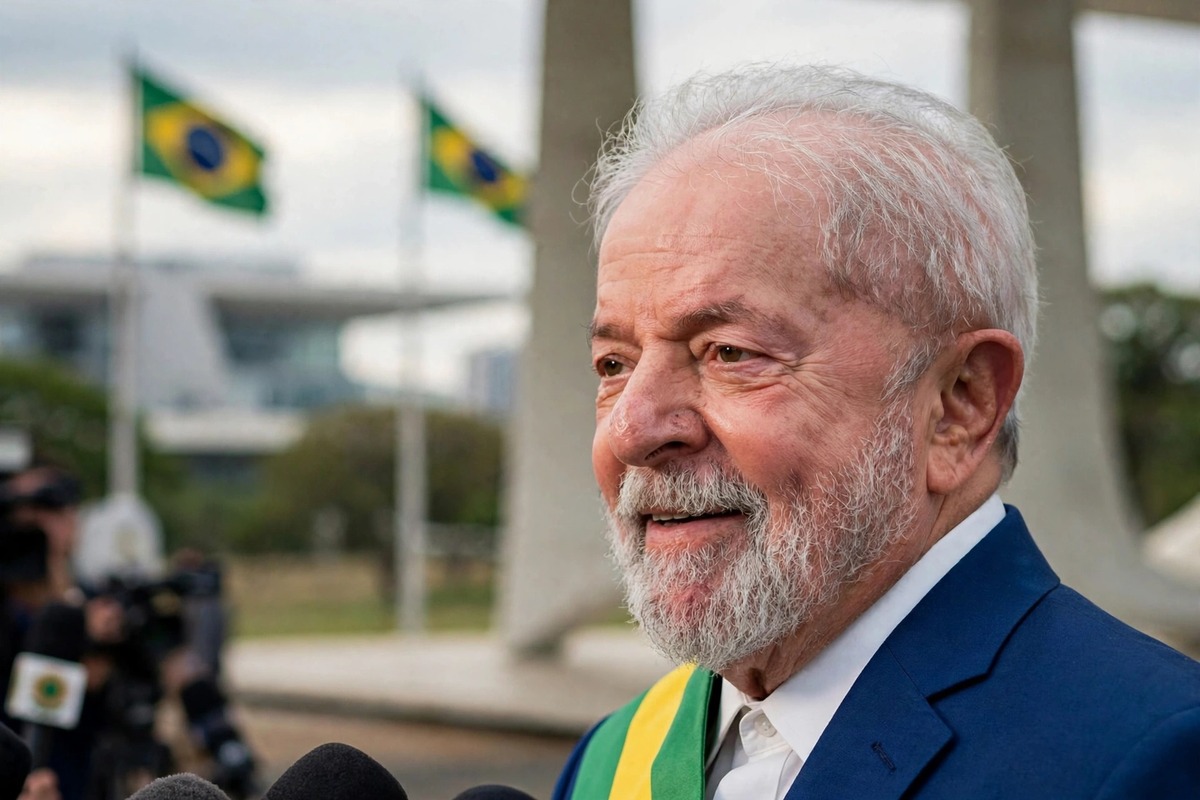

In Brazil, President Luiz Inácio Lula da Silva has been declared the winner over conservative challenger Flávio Bolsonaro, but the result arrives with a giant question mark attached. The source report describes Bolsonaro as leading during the first half of the vote count, then says a last-minute decision added two hours to voting. That is not exactly the kind of plot twist that inspires calm confidence in an election. It inspires suspicion, arguments, and probably a lot of people staring at the clock.
According to the report, Brazil’s Supreme Court, led by a justice described as Lula’s former personal lawyer, approved the extension. The move allegedly benefited Lula and was followed by his narrow victory. A post shared in the report called it manipulation and declared, “THEY STOLE THE FREAKING ELECTION, AND THE WHOLE WORLD WATCHED!” That is a serious accusation, not a minor complaint about a late polling place closing. Lula had also warned Flávio about investigations if he lost, saying, “On the 25th, you’re gonna LOSE your immunity. GET READY…you’re going to have problems. Your life is going to have a lot of investigations!”
Other reporting included in the source offers a more detailed explanation for the extension. CNBC said Lula’s campaign reported suspended public transportation in key areas, prompting the court to add two hours. Bolsonaro’s campaign also requested extra time, citing heavy rain that closed polling stations in the south, a right-wing stronghold. So there are competing accounts over both the need for the extension and its impact. The paperwork may sound dry, but the political consequences are anything but. Election rules are not supposed to resemble a restaurant changing closing time after seeing which customers are winning at the buffet.
Reuters reported, “Lula won an unprecedented fourth term on Sunday, the country’s electoral court said.” His return would be historically unusual: he reportedly finished second in the first round, then won the runoff, something no candidate had done since Brazil returned to democracy in the 1980s. The result defied polls, precedent, and a regional wave of right-wing victories. It also defeated Flávio Bolsonaro, the eldest son of former President Jair Bolsonaro, who had finished first in the opening round and hoped to revive his father’s political movement. Pollsters attributed Lula’s comeback to better-than-expected turnout, while the report also notes voter frustration over corruption scandals, rising prices, and the Workers’ Party.
That outcome carries major consequences for Brazil’s economy, crime, and relationship with the United States, according to the source. CNBC said Lula is set to govern from 2027 through 2030, facing a Congress where Bolsonaro’s Liberal Party holds its largest bench in decades. He will also face substantial public debt, a worsening fiscal deficit, high interest rates, rigid mandatory spending, and financial stress among businesses. President Trump had backed a rightward shift in Latin America, and Lula’s victory blocks that movement in Brazil.
The result may not be the final chapter. Although Lula has been declared the victor, the source says the election could be contested and might even be annulled because of the last-minute court decision. That possibility keeps the dispute alive. Announcing a winner is an administrative step; persuading a skeptical public that the process was fair is a much taller order. Brazil now has a political battle over voting procedures, court authority, and the country’s direction, with plenty of fuel for the next round.
Source: WLT Report
Leave a Comment