
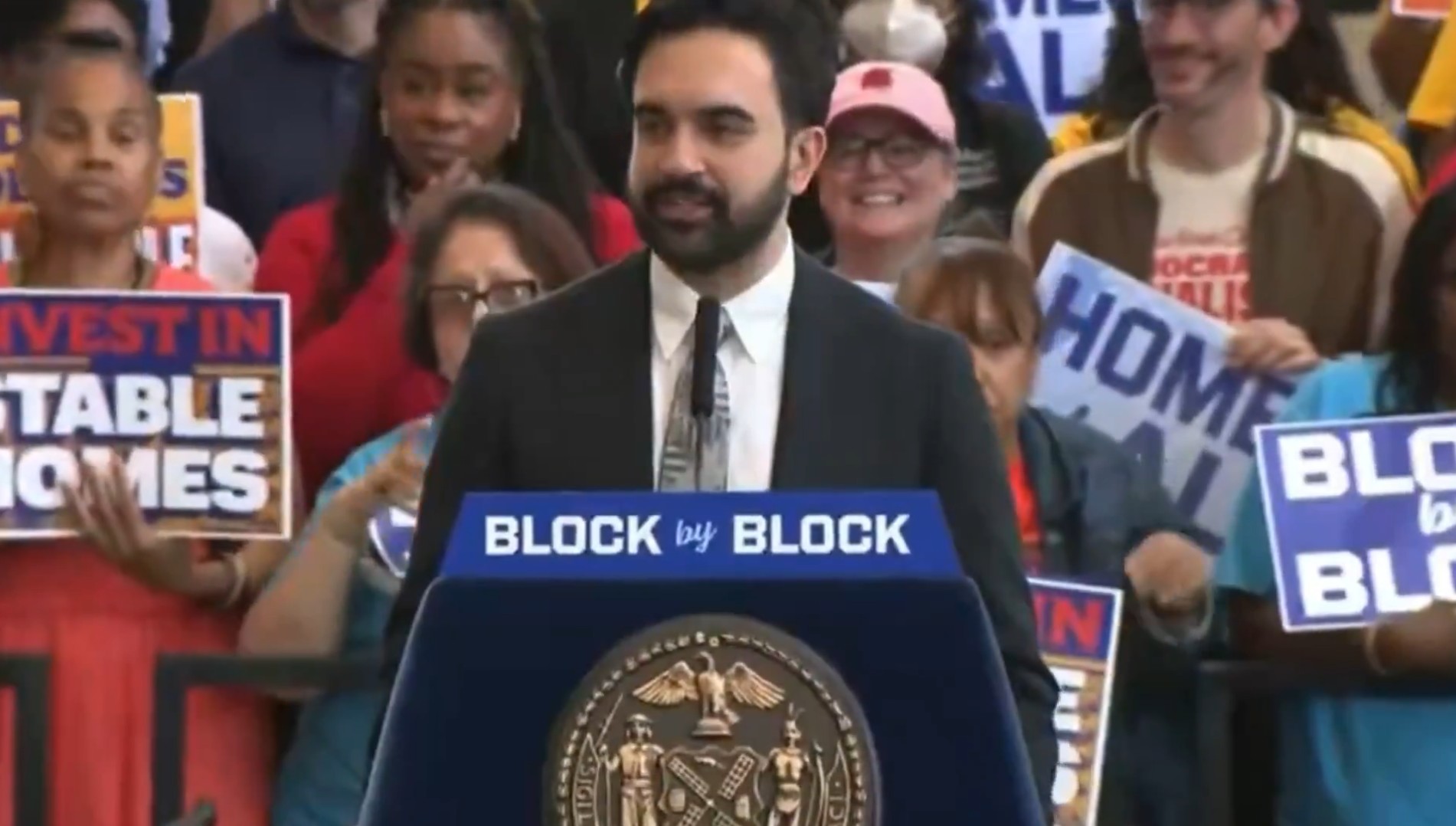

Mayor Zohran Mamdani promised New Yorkers relief from crushing housing costs, but Manhattan’s rental market apparently missed the campaign memo.
The average asking rent for an available Manhattan apartment has climbed to an eye-watering $6,655 per month, according to industry experts, representing a 10% increase from a year ago. Studios are averaging more than $4,000 monthly, while families looking for a three-bedroom apartment can face asking rents north of $12,000.
At those prices, the phrase “affordable housing” starts sounding less like a policy goal and more like a punchline.
Mamdani’s signature “rent freeze” might sound appealing to tenants lucky enough to already occupy regulated apartments. But it does little for the person standing outside the system, desperately searching for somewhere to live. Worse, critics argue that freezing regulated rents can further distort an already dysfunctional housing market.
New York has roughly 1 million rent-regulated apartments, representing more than a quarter of the city’s housing supply. When tenants receive apartments at prices substantially below what they could obtain elsewhere, naturally they have a powerful incentive to stay put.
That means fewer units turning over and fewer choices for newcomers competing for market-rate apartments.
The New York Post argues that the arrangement also creates serious inequities because the benefits of rent stabilization are not necessarily limited to poor or working-class residents. Higher-income tenants can occupy regulated apartments too, receiving increasingly valuable discounts as market rents soar.
Then there is the problem of apartments disappearing from the available housing stock altogether.
State housing reforms enacted in 2019 placed additional restrictions on how landlords can recover renovation expenses through rents. Critics say those rules can make repairing badly deteriorated regulated apartments financially unattractive, particularly when substantial work is required before they can legally be rented again.
So New York ends up with the kind of absurdity government regulation frequently produces: a city suffering from a housing shortage while some apartments remain unavailable.
The deeper problem is supply.
New York needs more housing, and decades of restrictive zoning, political resistance and expensive construction hurdles have helped make adding that supply extraordinarily difficult. Mamdani has discussed removing some barriers to development, which could address part of the underlying problem. But increasing housing construction means confronting neighborhood opposition, regulatory obstacles and political allies who may resist market-oriented solutions.
Meanwhile, progressive lawmakers continue focusing heavily on restrictions governing existing apartments.
New York’s “Good Cause” eviction rules expanded protections for many tenants, while the city’s FARE Act shifted responsibility for certain broker fees from tenants to the party hiring the broker. Supporters contend these policies protect renters from unfair costs and displacement. Critics counter that neither policy creates the additional apartments necessary to relieve the shortage.
That distinction matters.
A rent freeze can be extremely valuable to someone who already possesses a rent-stabilized apartment. It cannot magically create another apartment for the teacher, police officer, young family or recent graduate trying to find a home.
When demand dramatically exceeds supply, somebody ultimately pays the price. In Manhattan, increasingly, that somebody is the newcomer staring at a $6,655 monthly asking rent and wondering exactly how New York became a city where simply finding an apartment requires a small fortune.
Mamdani sold rent relief as an answer to New York’s affordability crisis. But unless City Hall gets serious about increasing housing supply, freezing prices for some tenants risks leaving everyone else fighting over an increasingly expensive collection of available apartments.
Leave a Comment