
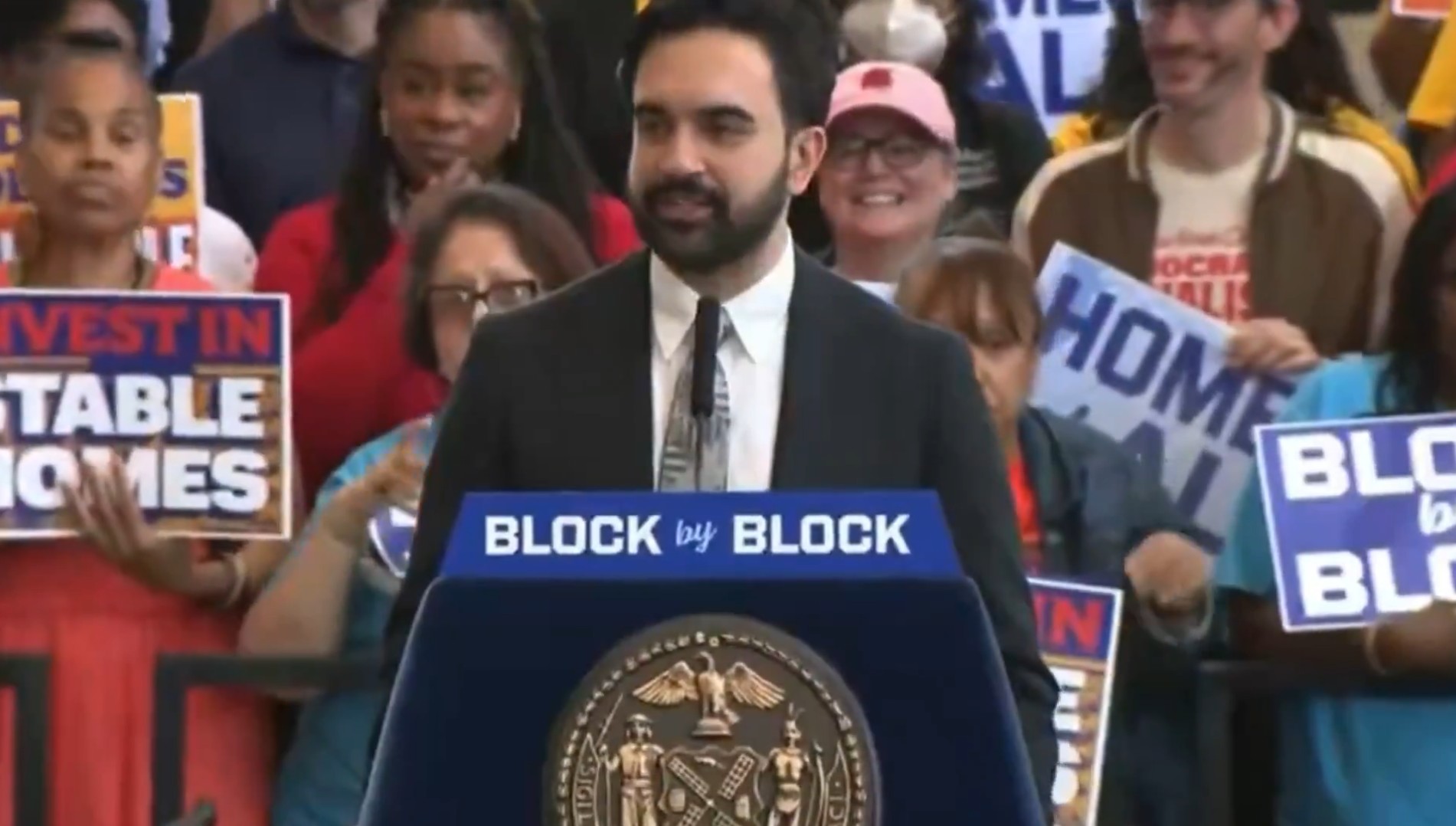

New York City Mayor Zohran Mamdani is no longer pretending his administration merely wants to “reform” housing policy. The mask is off, and what remains looks like a graduate seminar in economic central planning mixed with a hostile takeover manual. In comments this week outlining his newest housing initiative, Mamdani openly discussed using government power to remove private property owners and transfer buildings into the hands of nonprofits, community land trusts, and even tenants themselves.
That may sound uplifting to socialist activists sipping oat milk lattes in Brooklyn, but to property owners, investors, and anyone who still believes private ownership matters, it sounds like a giant blinking warning sign.
Mamdani framed the plan as part of a citywide campaign targeting “bad landlords” and “chronic neglect.” He declared, “Through our new citywide campaign, Fix the City, we will focus on the worst landlords in New York City. When necessary, we will take aggressive legal action to remove negligent owners and property managers.”
Then came the part that really grabbed attention.
“For buildings that have suffered chronic neglect, we will work to transfer ownership to responsible stewards, including community land trusts, nonprofits, or even the tenants themselves.”
Translation: if city bureaucrats decide your property is not being managed to their standards, they may eventually help hand it over to politically connected activist organizations. That tends to make investors sweat a little.
Critics argue this is not simply about punishing slumlords. They see a deliberate strategy designed to squeeze private owners until they can no longer survive financially. According to concerns raised by analysts at The Heritage Foundation, the process works like a slow-motion government shakedown.
First comes the rent freeze. Mamdani and his allies push aggressive restrictions on rent increases for stabilized properties, making it harder for landlords, especially smaller “mom-and-pop” owners, to cover maintenance costs, taxes, insurance, and repairs in aging buildings.
Next comes the enforcement blitz. Once landlords inevitably struggle under the financial pressure, city agencies unleash mountains of code violations, fines, and penalties for deferred maintenance. Suddenly owners are drowning in red tape while City Hall acts shocked that buildings need repairs nobody can afford to complete.
Then comes the final move. The government or politically favored nonprofit groups step in as the “solution,” taking control of the property through transfers, buyouts, or other mechanisms dressed up as compassionate housing reform.
Funny how the answer always seems to involve expanding government control.
Instead of reducing regulations, streamlining construction permits, or encouraging developers to build more housing, Mamdani’s administration is charging headfirst toward a taxpayer-funded housing empire reportedly projected to cost around $100 billion. Apparently New York leaders looked at decades of bureaucratic inefficiency and decided the city simply needed much, much more of it.
The truly remarkable part is how casually all of this is being discussed in mainstream politics now. A mayor openly talking about transferring private buildings to activist-aligned organizations would have once triggered bipartisan alarm bells. Today, many progressive activists celebrate it as “housing justice.”
History suggests otherwise. Governments that treat private property as conditional eventually discover that investment dries up, development slows, and economic decline accelerates. But by then, the politicians behind the policies are usually busy blaming somebody else for the wreckage.
Leave a Comment