

With the average one-bedroom apartment in Manhattan now costing more than $5,000 per month, New Yorkers are increasingly searching for answers to a housing crisis that has made one of America’s most iconic cities unaffordable for many working families.
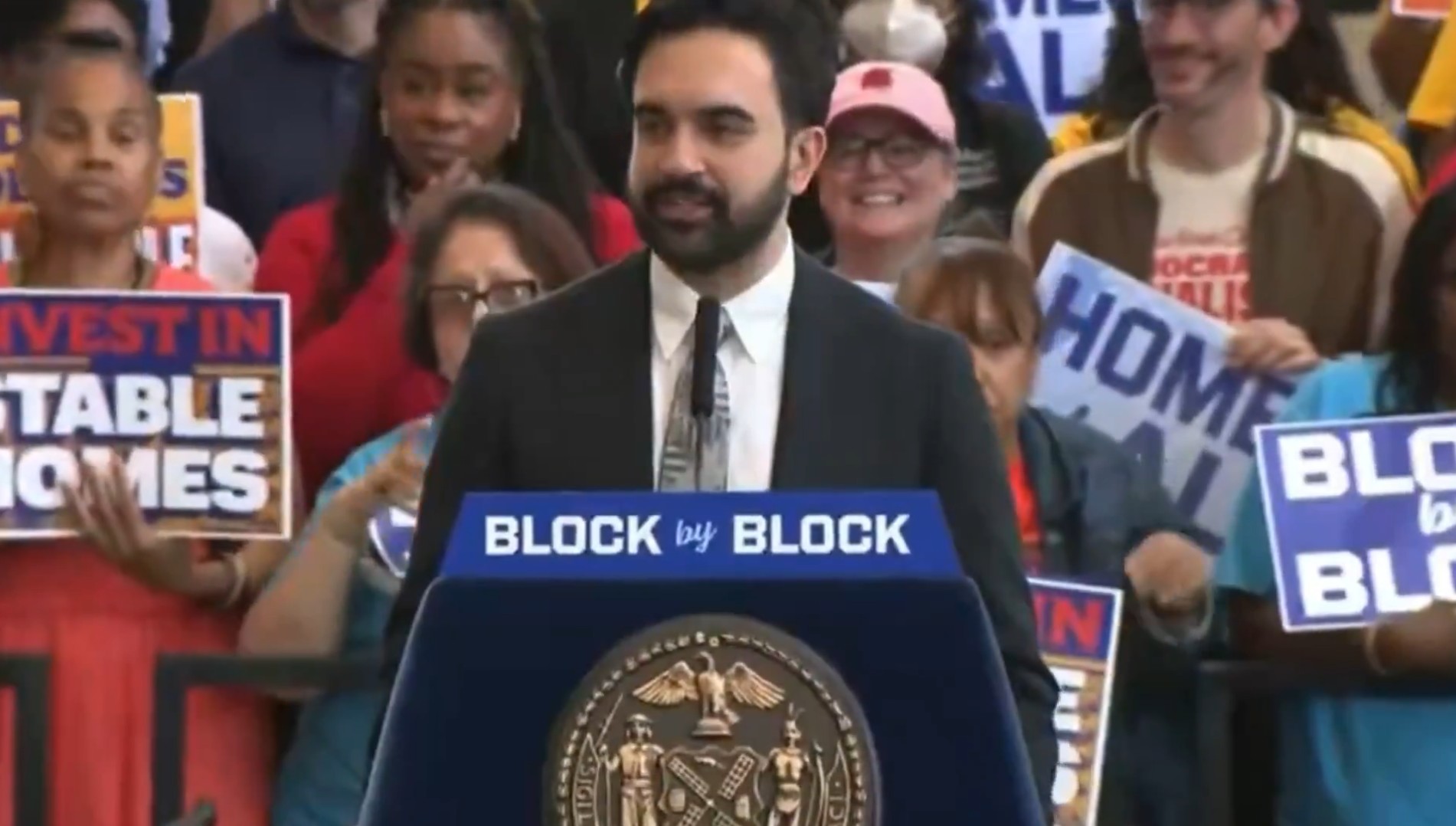
New York City Mayor Zohran Mamdani believes he has a solution. On May 20, he unveiled “Block by Block: The Housing Plan for a New Era,” an ambitious proposal that would create 200,000 new affordable rent-controlled housing units while preserving another 200,000 existing units over the next decade.
The plan carries a staggering price tag of $22 billion in taxpayer funding over five years, making it one of the largest housing initiatives in the city’s history.
Supporters view the proposal as a bold attempt to address rising rents and protect tenants from being priced out of their neighborhoods. Critics, however, see something very different. They argue the plan doubles down on the same government policies that helped create the housing shortage in the first place.
For years, economists and housing experts have pointed to a combination of restrictive zoning rules, burdensome regulations, lengthy permitting processes, high taxes, and rent-control policies as major contributors to New York’s housing shortage. When fewer homes are built and demand continues to grow, prices inevitably rise.
Rather than removing barriers to development, critics say Mamdani’s proposal expands government involvement in nearly every aspect of the housing market.
One major concern centers on rent regulation. The city’s Rent Guidelines Board, whose members are appointed through a process heavily influenced by City Hall, will continue setting allowable rent increases for approximately one million rent-stabilized apartments. While rent controls can provide short-term relief for tenants, opponents argue they discourage investment and reduce incentives for developers to build new housing.
The National Multifamily Housing Council estimates that rent regulations increase prices in New York City’s uncontrolled housing market by as much as 22 to 25 percent. Critics argue that limiting rents on some units simply shifts costs onto everyone else.
Mamdani’s plan has also generated controversy because of its focus on transferring ownership of troubled properties away from private landlords and toward nonprofits, community land trusts, and tenant organizations.
The mayor defended the policy by saying that buildings suffering from chronic neglect should be transferred to responsible stewards. However, opponents view the proposal as government-backed property redistribution that could discourage future investment in the city.
The debate intensified with the Community Opportunity to Purchase Act of 2025, which gives nonprofit organizations and tenant groups the first opportunity to purchase multifamily properties before they reach the open market. Critics argue this allows City Hall to steer ownership toward politically favored organizations rather than allowing competitive market transactions.
Many opponents point to the New York City Housing Authority as a cautionary example. NYCHA oversees the nation’s largest public housing system, serving more than 500,000 residents across roughly 177,000 apartments. Yet the agency has long struggled with maintenance backlogs, mold, broken elevators, pest infestations, and chronic management problems.
For critics, expanding government influence over housing ownership while existing public housing faces such challenges seems counterproductive.
They argue a more effective solution would focus on increasing supply by reducing regulatory hurdles, streamlining permit approvals, lowering construction costs, and encouraging private developers to build more housing.
Supporters of Mamdani’s proposal insist government intervention is necessary to protect renters from soaring costs. Opponents counter that affordability will never improve unless the city embraces policies that reward construction rather than restrict it.
As New York’s housing crisis continues to worsen, the battle over how to solve it is becoming one of the city’s most significant political and economic debates.
Leave a Comment