
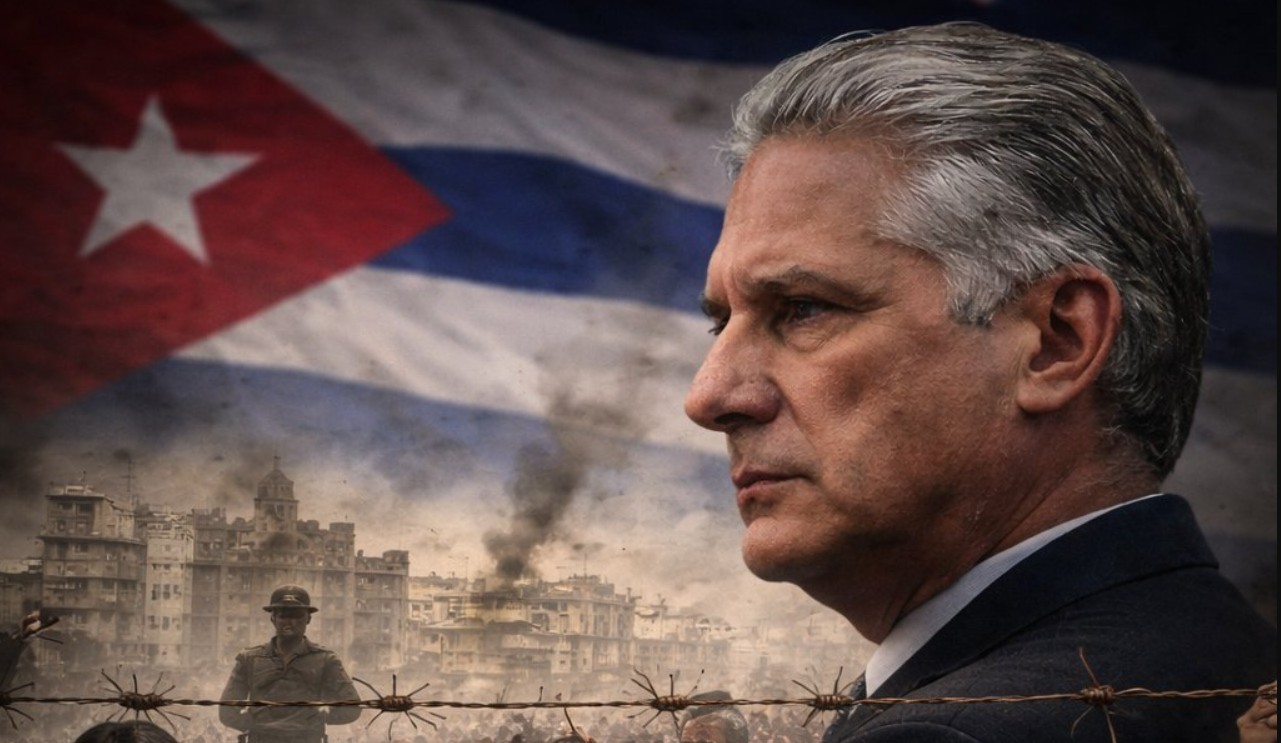

President Trump is once again putting Cuba squarely in the spotlight, and his latest comments are raising questions about what exactly may be coming in the weeks ahead. During a new interview with Fox News correspondent Trey Yingst, the president suggested that significant developments involving Cuba could unfold within the next two months, while making it clear that the situation is being viewed differently than previous U.S. actions toward Venezuela.
“A lot of things are going to happen in Cuba over the next maybe two months, but I don’t see it being like Venezuela,” President Trump said during the interview.
When Yingst pressed him on whether any potential action could involve military force, the president offered a striking response.
“Venezuela has massive amounts of oil. We could do that with Cuba, it would not be hard for us to do,” Trump said.
The remarks immediately fueled speculation about what measures the administration may be considering. While the president declined to provide specifics or outline a detailed timeline beyond the two-month window he referenced, his comments come amid a steadily escalating pressure campaign directed at the Cuban government.
Since returning to office, President Trump has taken a far more aggressive approach toward Havana than many of his predecessors. The administration has focused on economic sanctions, energy restrictions, and diplomatic pressure, all aimed at weakening the Cuban regime and forcing policy changes.
One of the most significant developments occurred following the removal of Venezuelan leader Nicolás Maduro earlier this year. For decades, Cuba benefited from heavily subsidized Venezuelan oil shipments. After the political changes in Caracas, those shipments were effectively cut off, creating severe fuel shortages across the island.
That move alone delivered a major blow to Cuba’s already struggling economy. Long lines at gas stations, transportation disruptions, and growing economic instability have become increasingly difficult for Cuban authorities to manage.
The pressure did not stop there.
Last month, the administration announced sanctions against Cuban President Miguel Díaz-Canel, his wife Lis Cuesta Peraza, and Colonel Alejandro Castro Espín. Additional sanctions were later imposed on CUPET, Cuba’s state-owned oil enterprise. These actions signaled that Washington was no longer limiting its focus to broad economic measures but was also targeting individuals and institutions tied directly to the regime.
Meanwhile, federal charges were announced against longtime Cuban dictator Raul Castro in connection with the 1996 downing of civilian aircraft, a move that underscored the administration’s willingness to revisit unresolved historical grievances.
Diplomatic efforts have continued alongside the sanctions campaign. In May, CIA Director John Ratcliffe traveled to Havana and reportedly delivered a direct message: meaningful engagement with the United States on economic and security matters would require fundamental changes from the Cuban government.
Those discussions reportedly touched on intelligence cooperation, economic stability, and broader regional security concerns. U.S. officials have repeatedly emphasized that Cuba should not serve as a platform for adversarial powers operating in the Western Hemisphere.
For now, the administration is keeping its next steps closely guarded. President Trump’s comments offered few details, but they reinforced the message that Cuba remains a major focus of U.S. policy. With sanctions increasing, diplomatic pressure mounting, and the president signaling that major developments are ahead, attention is likely to remain fixed on Havana as the next two months unfold.
Leave a Comment