

The Supreme Court of the United States just threw a political grenade into Louisiana’s already messy redistricting fight, and it did not waste any time doing it. On Monday, the court sped past its usual procedural timeline and sent a congressional map case right back down to a lower court, effectively clearing the path for Republicans in Louisiana to redraw district lines before the 2026 elections.
Normally, there is a 32-day waiting period before something like this happens. Not this time. The justices decided to hit the gas, and that decision alone set off a pretty heated exchange inside the court itself. If you thought Supreme Court opinions were always polite and buttoned-up, this one proves otherwise.
At the center of the dispute is one of Louisiana’s two majority-Black congressional districts. The court had already ruled that the state’s current map, which includes that second majority-Black district, is unconstitutional. That ruling alone was a major blow to how the Voting Rights Act of 1965 has been interpreted in recent years. Now, with the case moving quickly back to a lower court, Republicans in the state are expected to eliminate that district altogether.
That creates a clear political opportunity. One less Democrat-friendly district means a better shot at expanding GOP representation in Congress. This is not complicated math, and both parties understand exactly what is at stake.
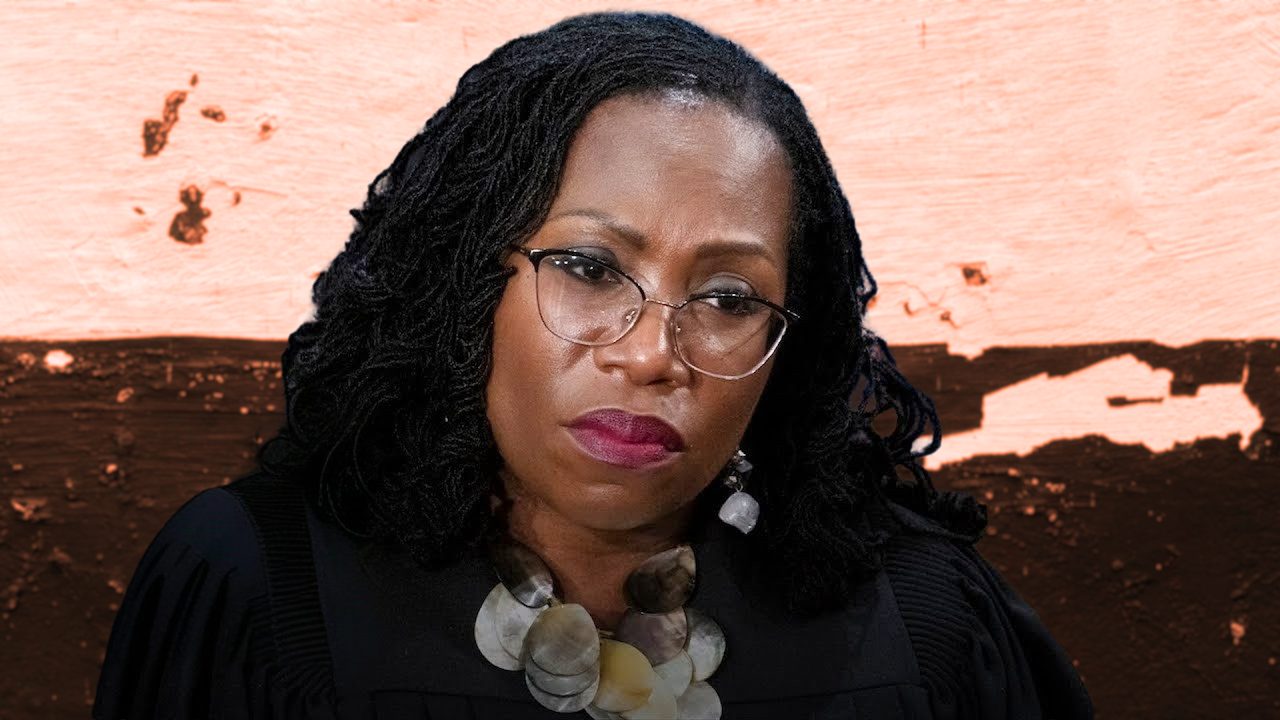
The real fireworks, though, came from inside the court. Justice Ketanji Brown Jackson was not happy with how the majority handled the timeline. In her dissent, she accused the court of throwing out its own rules, saying the majority had “unshackled itself” from normal constraints. That is not subtle language.
Justice Samuel Alito fired back, joined by Clarence Thomas and Neil Gorsuch. Alito called parts of Jackson’s argument “baseless and insulting,” which is about as close as Supreme Court writing gets to a verbal eye roll. He also pointed out the obvious problem, forcing elections to proceed under a map that has already been ruled unconstitutional does not exactly scream “rule of law.”
Meanwhile, the timing of all this is causing headaches on the ground. Louisiana had already started sending overseas ballots and preparing for early voting. Changing the rules midstream is something courts usually try to avoid, yet here we are. Governor Jeff Landry responded by delaying the state’s primary, buying time for lawmakers to come up with a new map.
This fight is not happening in isolation. States across the country are gearing up for similar battles, each one tied to control of the House. With President Trump in his second term, Republicans are clearly focused on holding their edge in Congress, while Democrats are scrambling to counter wherever they can.
Louisiana just became the latest flashpoint, and judging by how quickly things escalated, it will not be the last.
Leave a Comment