
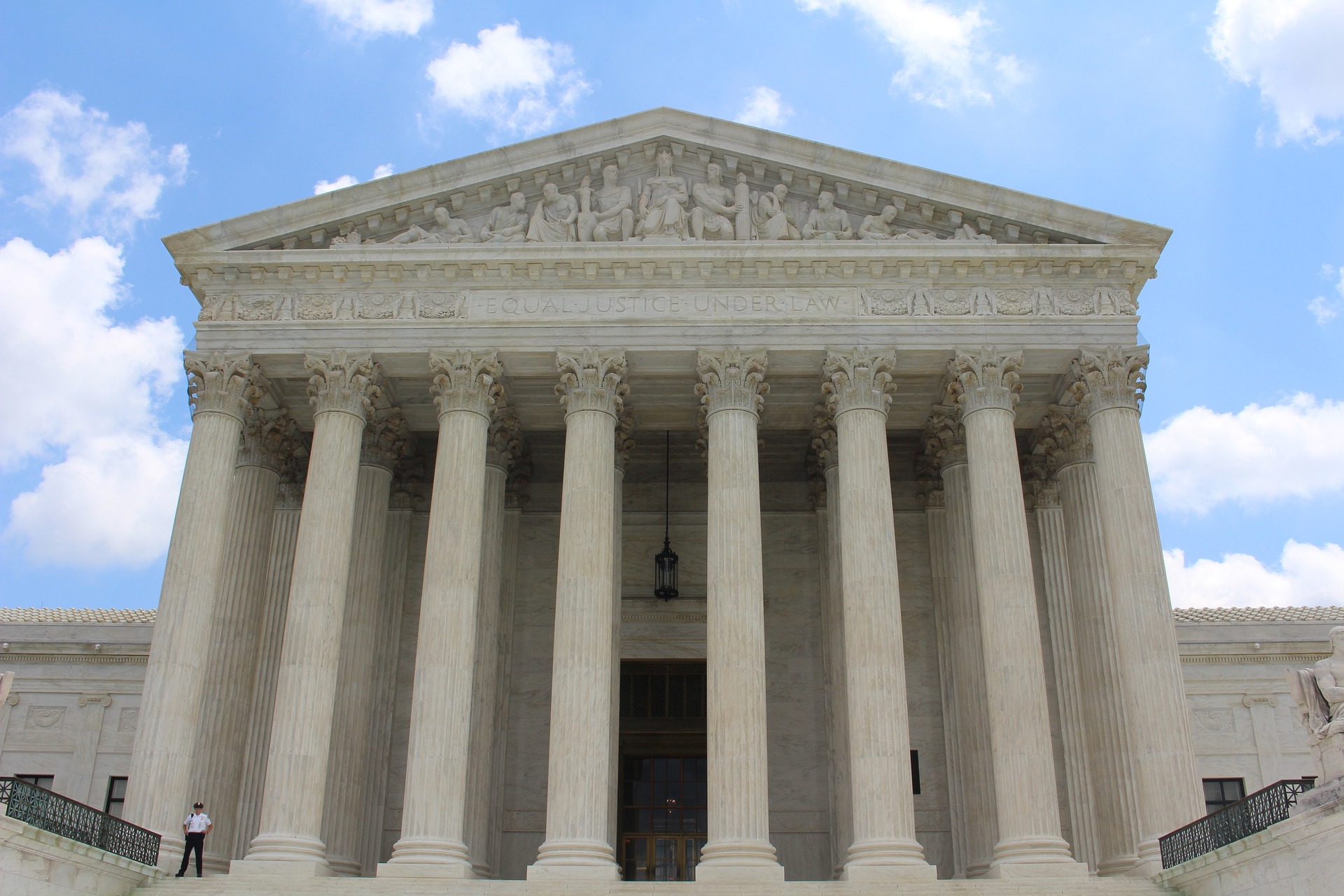

The U.S. Supreme Court handed down a significant ruling Friday that could slam the brakes on a legal gold rush aimed at oil and gas companies in Louisiana. In an 8-0 decision, the justices sided with Chevron USA Inc. in Chevron USA Inc. v. Plaquemines Parish, delivering a sharp rebuke to lower courts that allowed these claims to stay in state court. Translation, some local jurisdictions may no longer get first crack at billion-dollar lawsuits designed to squeeze deep-pocketed energy producers.
Justice Clarence Thomas authored the opinion, focusing on what sounds like a technical issue but carries enormous consequences, where these lawsuits should be heard. The Supreme Court said lower courts got it wrong by failing to properly consider federal removal law when claims involve companies acting under federal direction. If a company was carrying out work connected to federal authority or contracts, those disputes may belong in federal court, not before a hometown jury primed for a payday.
Justice Samuel Alito did not participate because he owned stock in one of the companies involved. Unlike many people in public life, he followed the recusal rules instead of pretending they are optional.
The immediate headline is what this means for a staggering $745 million jury verdict issued against Chevron in Louisiana state court. The ruling does not automatically erase that judgment, but it certainly places it on thin ice. With the Supreme Court clarifying the legal standard, the case now heads back to the Fifth Circuit for further review, and the odds of a retrial in federal court just went up considerably.
That matters because venue often determines everything. A local court in a politically charged case can become less about facts and more about finding the largest calculator available. Federal courts, while hardly perfect, tend to apply broader standards and are less susceptible to parochial pressure. That is why this ruling is such a problem for activists and trial lawyers who prefer handpicked battlegrounds.
The underlying dispute comes from more than 40 lawsuits filed by local and state governments claiming oil and gas companies damaged Louisiana coastal marshlands through decades of drilling and infrastructure development. Those environmental concerns are real subjects for debate, but that does not mean every claim deserves to be transformed into a jackpot verdict.
Friday’s decision may reach far beyond Louisiana. The court signaled that businesses operating under federal authority should not be dragged into potentially hostile local venues for actions tied to national policy, leases, or contracts. That principle could reshape similar environmental litigation across the country.
Expect howls from the usual corners claiming the sky is falling. In reality, the court did something more radical than activism, it applied the law. Imagine that.
For the energy sector, this is a reminder that the Supreme Court still occasionally notices when local politics tries to masquerade as neutral justice. For plaintiffs hoping to cash in through sympathetic juries, the ride just got bumpier.
Leave a Comment