
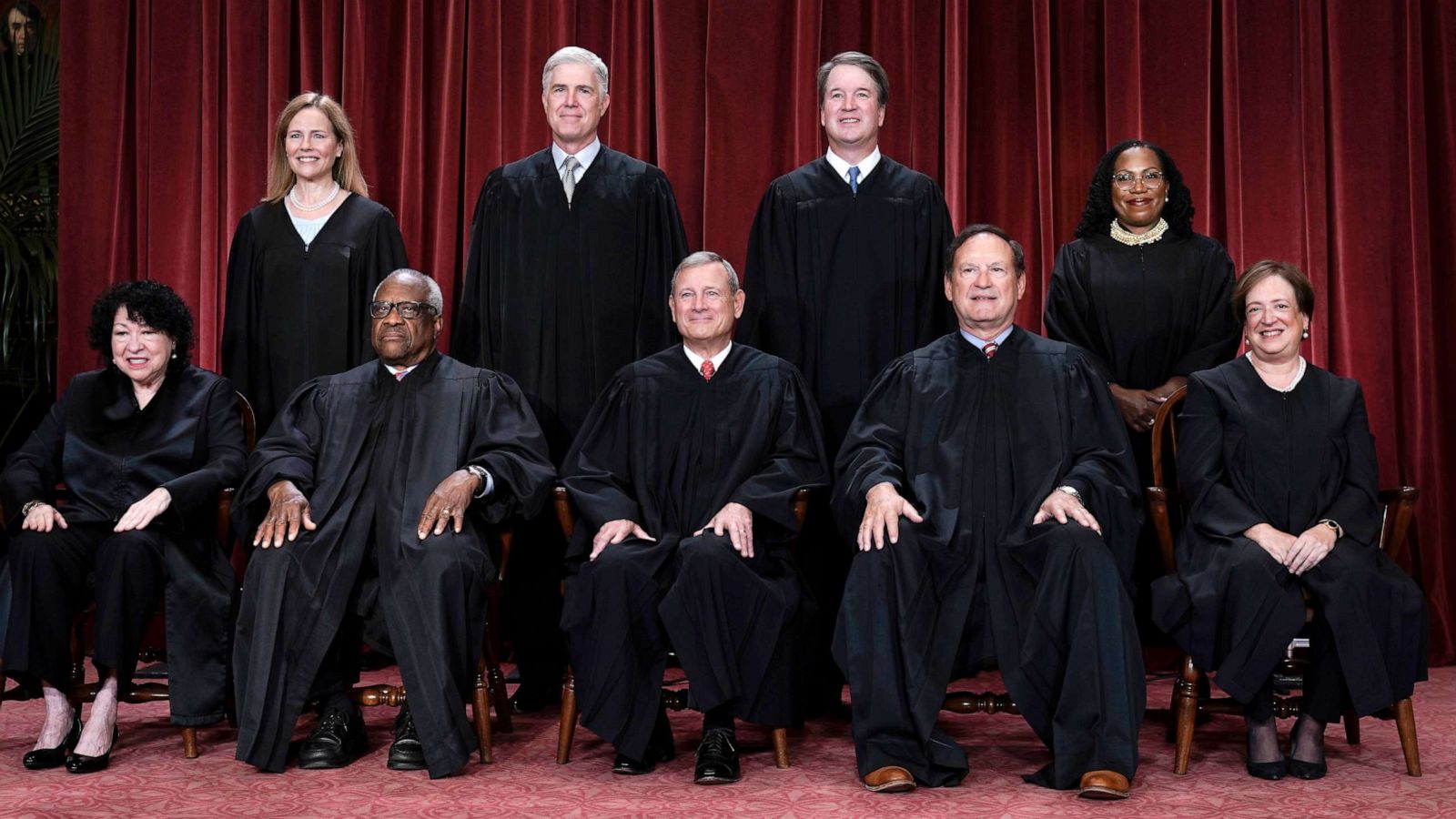

The Supreme Court handed the Trump Administration a significant temporary victory Tuesday, allowing federal immigration officials to resume deporting certain migrants to countries other than their nations of origin while the justices consider the policy’s legality.
The unsigned order puts lower-court restrictions on hold and sets the case for oral arguments during the Supreme Court’s December 2026 session. Justices Sonia Sotomayor, Elena Kagan and Ketanji Brown Jackson said they would have denied the administration’s request for a stay.
The ruling is not a final decision that the administration’s policy is lawful. Instead, it permits the government to continue using third-country removals while the case proceeds.
Under the policy, some people with final removal orders can be sent to countries other than their own, particularly when their home countries will not accept them or when returning them to their countries of origin is otherwise unavailable. The administration has argued that third-country removals are an important tool for enforcing existing deportation orders.
The legal battle centers partly on what process migrants must receive before being sent somewhere they may never have lived.
U.S. District Judge Brian Murphy in Massachusetts ruled that the administration’s procedures violated immigration law and constitutional due-process protections by failing to provide adequate notice and an opportunity for migrants to raise fears of persecution or torture. The First Circuit Court of Appeals largely upheld Murphy’s ruling earlier this month.
The administration argues that additional individualized procedures can interfere with deportations and sensitive negotiations with countries willing to receive migrants. It also maintains that diplomatic assurances from receiving governments can provide sufficient protection against persecution and torture.
Attorneys challenging the policy see things very differently. They argue that people can be sent to unfamiliar countries where they face serious danger without having a meaningful opportunity to object beforehand. They have also alleged instances of abuse, detention and subsequent transfers involving people removed under the policy.
The numbers demonstrate that third-country deportations have become more than an obscure immigration procedure.
More than 25,000 people have been deported to roughly 29 third countries since the policy was implemented in 2025, according to tracking cited by Reuters. The overwhelming majority were sent to Mexico, while others have been removed to countries including South Sudan, Uganda, Liberia and Equatorial Guinea.
The Supreme Court has now directed the parties to address several major questions, including whether the lower court had jurisdiction, whether it possessed authority to issue broad relief, and whether the administration’s third-country guidance violates federal immigration law, the Due Process Clause or legal protections against torture.
For the moment, however, the practical result is straightforward: the lower-court restrictions have been suspended.
Immigration officials can again carry out third-country removals under the administration’s procedures while the Supreme Court prepares for December arguments. The larger constitutional and statutory fight remains unresolved, with a final ruling still to come.
Leave a Comment