
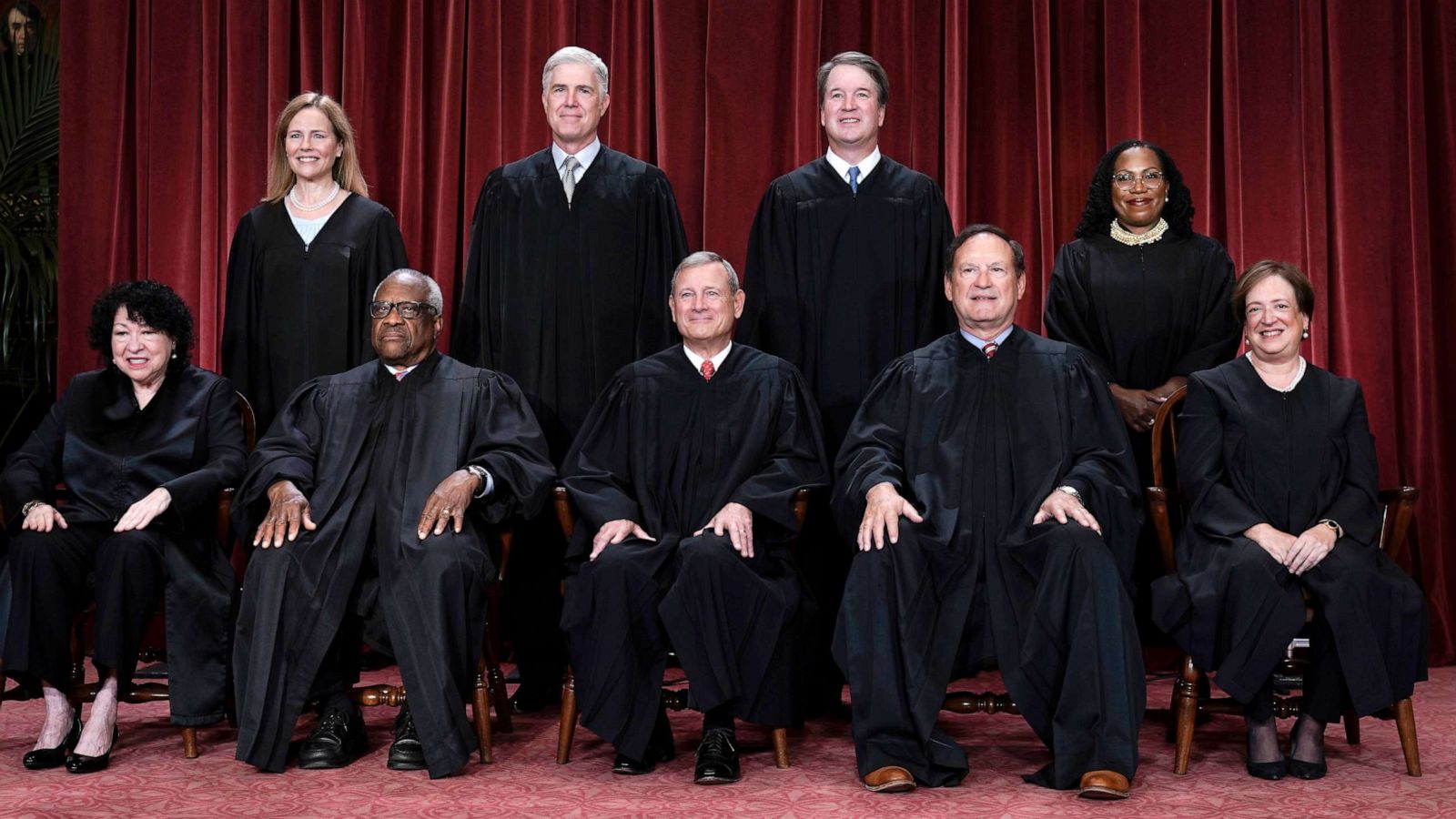

The Supreme Court delivered a unanimous ruling Thursday that serves as a reminder that constitutional protections do not disappear simply because a defendant is accused of participating in a highly controversial scandal.
In a 9-0 decision, the justices sided with former Twitter employee Ahmad Abouammo, ruling that federal prosecutors brought one of the charges against him in the wrong venue. The decision does not overturn the broader allegations that Abouammo improperly shared confidential information about Saudi dissidents with a Saudi government official while working at Twitter. Instead, the ruling focuses on a fundamental constitutional question: where a criminal defendant can be tried.
The case stems from an FBI investigation into the unauthorized disclosure of Twitter user information. Prosecutors alleged that while employed at Twitter’s San Francisco office, Abouammo provided confidential information about users critical of the Saudi government. In return, authorities claimed a Saudi official transferred approximately $300,000 to him.
After leaving Twitter and relocating to Seattle, Abouammo launched a social media consulting business. It was there, according to court records, that FBI agents interviewed him regarding the payments and his relationship with the Saudi official.
During that interview, agents questioned Abouammo about the source of the money. He reportedly denied providing confidential information and claimed the payments were legitimate consulting fees. When investigators requested documentation supporting that explanation, Abouammo allegedly went upstairs in his home, created an invoice, and emailed it to one of the agents.
Federal investigators later examined the document’s metadata and concluded it had been created moments before it was sent.
Prosecutors charged Abouammo with falsifying a record to obstruct a federal investigation under federal law. However, they brought that charge in California because the FBI investigation was being conducted out of San Francisco.
The Supreme Court rejected that argument.
Writing for a unanimous court, the justices emphasized that the alleged crime was the act of creating the false document, not the location where investigators happened to be conducting their inquiry. Since the invoice was allegedly created in Seattle, Washington was the proper venue for that charge.
The court stated, “Whatever obstructive effects Abouammo’s false invoice may have had in northern California, they were not elements of his crime and cannot figure in determining where his crime was committed.”
The ruling highlights the importance of constitutional venue protections contained in both Article III and the Sixth Amendment. The Founders deliberately included those safeguards to prevent governments from hauling defendants into distant courts simply because doing so might be more convenient or strategically advantageous.
Importantly, the decision does not declare Abouammo innocent of wrongdoing. It does not erase the allegations involving Saudi influence or confidential Twitter data. Rather, it reinforces a basic principle of American justice: prosecutors must follow the Constitution when deciding where criminal charges are filed.
For the Justice Department, the unanimous ruling sends a clear message. Even in cases involving foreign influence, national security concerns, and politically sensitive allegations, constitutional protections remain fully in force. The government cannot choose a courtroom based on convenience. It must bring charges where the alleged criminal conduct actually occurred.
In Abouammo’s case, the Supreme Court concluded that place was Seattle, not San Francisco.
Leave a Comment