
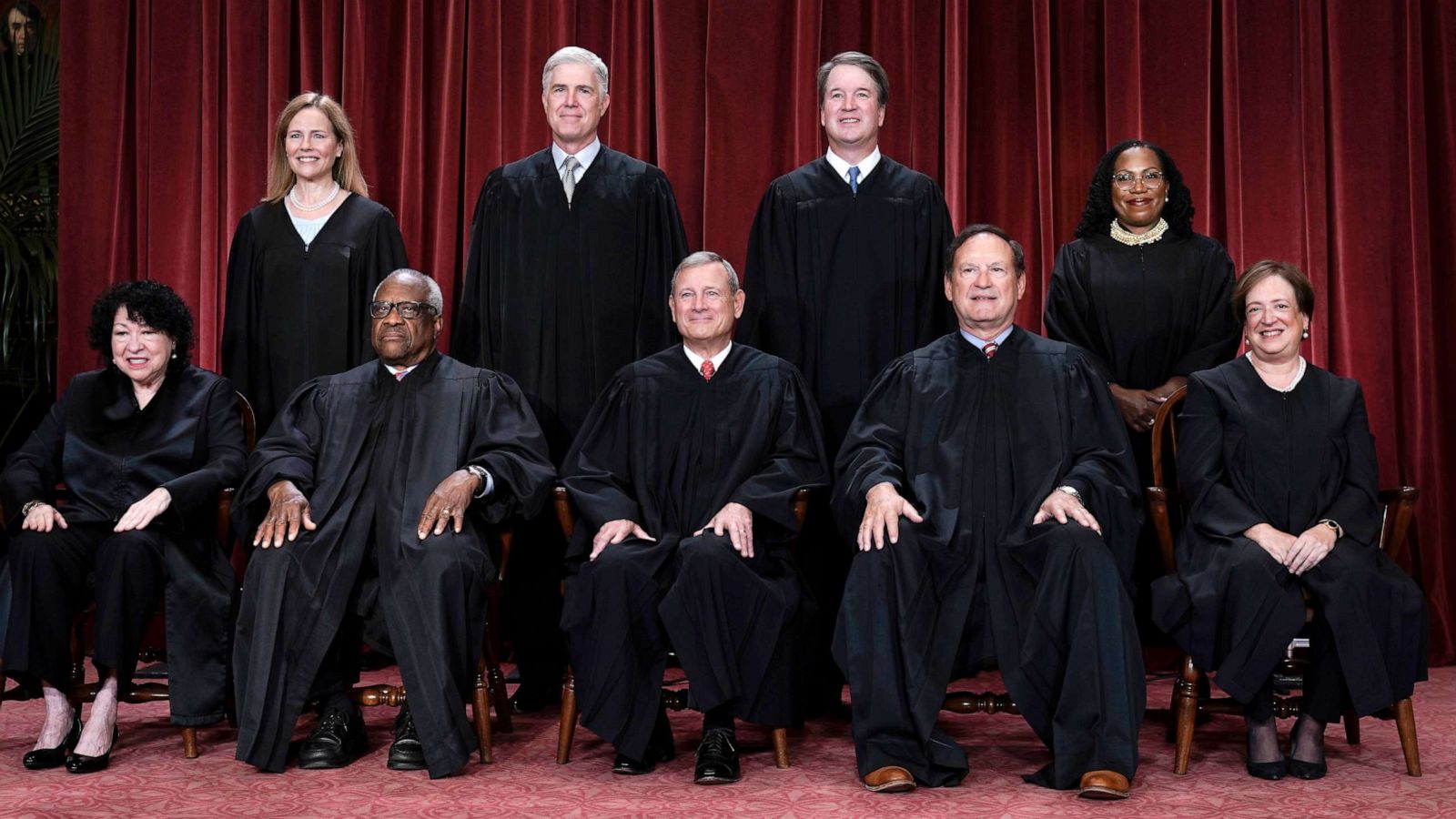

The Supreme Court just handed Michigan a clear legal win in its fight with Enbridge over the Line 5 pipeline, unanimously ruling that the company missed its deadline to move the case from state court to federal court and cannot be rescued by judges rewriting the calendar after the fact.
In plain English, the Court told Enbridge what millions of Americans hear every year from the IRS, DMV, and every bureaucracy in sight: deadlines matter.
The dispute began in 2019 when Michigan’s attorney general sued Enbridge in state court, arguing the company’s 1953 easement to operate Line 5 under the Straits of Mackinac was invalid and that continued operation violated Michigan law. Enbridge was formally served on July 12, 2019. Under federal law, a defendant wanting to remove a case from state court to federal court generally has 30 days to do it.
That sounds simple because it is simple.
Enbridge did not file within those 30 days. Instead, it stayed in state court and litigated there for more than a year. Later, Governor Gretchen Whitmer launched a separate lawsuit in 2020 involving the same broader pipeline controversy. Enbridge removed that second case to federal court on time, then later tried to piggyback the older attorney general case into federal court too.
There was just one problem. By then, 887 days had passed.
A district court initially let Enbridge slide, saying equitable principles justified excusing the late filing. Translation, the judge thought fairness outweighed the actual deadline Congress wrote. But the Sixth Circuit reversed that decision, and now the Supreme Court has agreed unanimously.
Justice Sonia Sotomayor, writing for the Court, explained that while the 30-day deadline is technically nonjurisdictional, that does not mean it is optional. Some deadlines are still mandatory even if they do not affect subject-matter jurisdiction. That distinction matters in legal circles and should matter more in common sense circles.
The Court emphasized that Congress already created specific exceptions in the removal statute. For instance, if a case initially appears unremovable but later becomes removable, the law provides additional time. Congress also included a bad-faith exception in certain diversity cases and explicitly allows extensions in some other contexts.
That was the key point. When lawmakers carefully list exceptions, courts are not supposed to invent new ones because they feel charitable that afternoon.
This ruling is bigger than one pipeline dispute. It reinforces a basic constitutional principle: judges interpret statutes, they do not revise them whenever a well-funded litigant asks nicely.
Now the attorney general’s lawsuit heads back to Michigan state court, where the merits of the pipeline fight will continue. Whether one supports Line 5 or opposes it, the procedural lesson is obvious.
If ordinary citizens miss filing deadlines, the system rarely offers mercy. Corporations should not expect deluxe treatment either.
For once, every justice agreed on something. Enbridge had 30 days, not 887. Even the Supreme Court can do math when it wants to.
Leave a Comment