
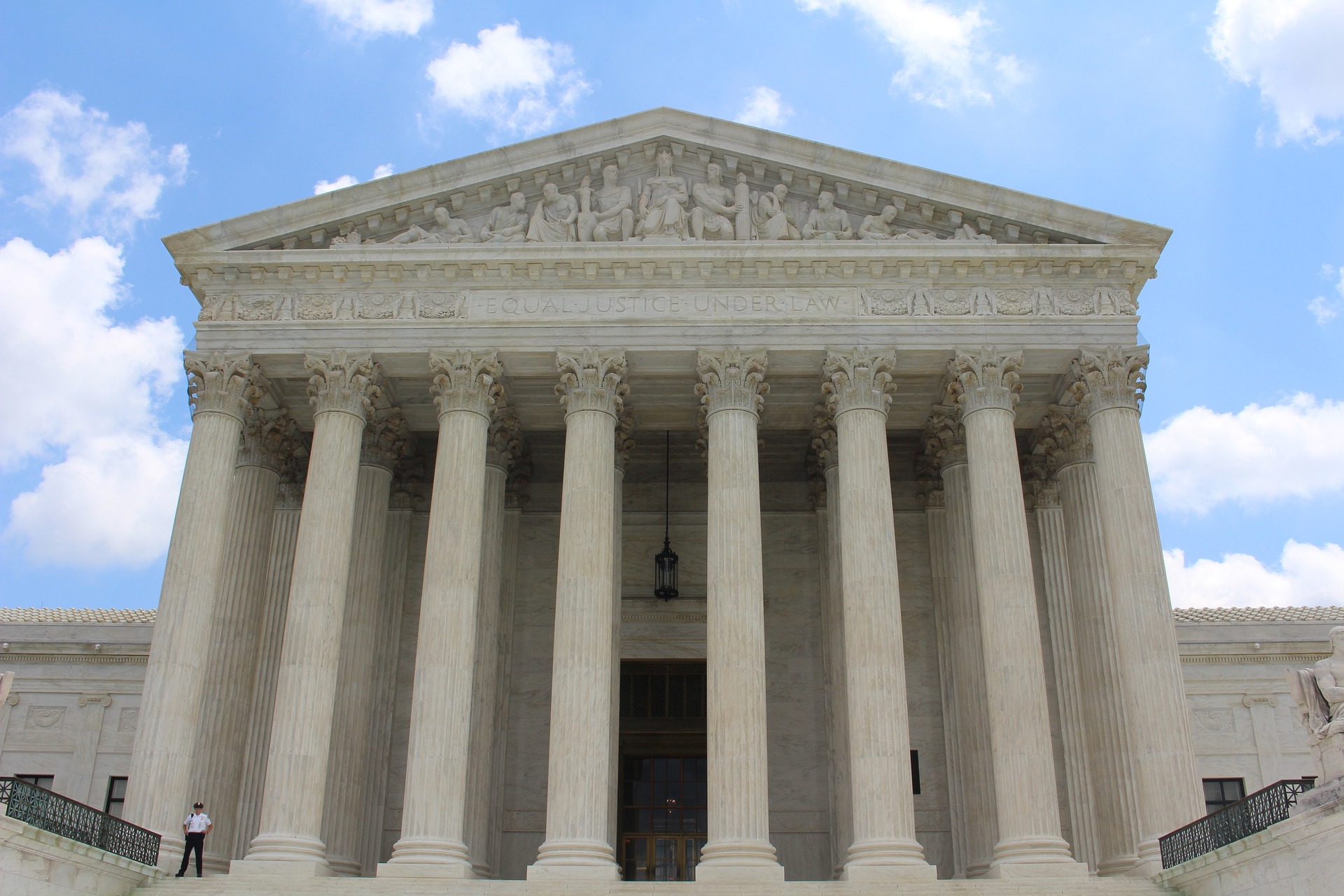

The Supreme Court delivered a significant victory for Exxon Mobil on Tuesday, handing down a 6-3 ruling that allows the energy giant to move forward with its lawsuit against Corporación CIMEX S.A., a company owned by Cuba’s communist government. The decision marks another major development in the long-running legal battle over property confiscated after Fidel Castro’s regime seized private assets following the Cuban Revolution.
At the center of the dispute are more than 100 service stations that Exxon claims were unlawfully taken by the Cuban government decades ago. According to the lawsuit, CIMEX later operated and benefited from those assets, leading Exxon to seek compensation under federal law.
The Supreme Court’s ruling focused on whether CIMEX could shield itself behind sovereign immunity protections that are often granted to foreign governments and their state-owned enterprises. In siding with Exxon, the justices concluded that Congress had already created an exception when it passed legislation allowing lawsuits related to property confiscated by Cuba’s communist regime.
The decision overturns a previous ruling from the U.S. Court of Appeals for the D.C. Circuit, which had directed a lower court to take another look at whether CIMEX was protected under the Foreign Sovereign Immunities Act. Instead, the Supreme Court determined that Congress made its intent clear when it authorized private parties to bring claims involving confiscated Cuban property.
The case is rooted in Title III of the Helms-Burton Act, a law enacted in 1996 to provide legal remedies for Americans and companies whose property was seized by the Cuban government. For years, however, presidents from both political parties used a provision in the law to suspend those lawsuits. That effectively prevented many claims from moving forward despite the law remaining on the books.
That changed in 2019 when the suspension was lifted, opening the courthouse doors to individuals and businesses seeking compensation. Since then, a number of cases tied to confiscated property have begun working their way through the legal system.
The Supreme Court’s decision arrives shortly after the justices revived another high-profile case involving Havana Docks Corporation and several cruise lines that operated in Cuba after the Obama administration loosened travel restrictions. Taken together, the rulings represent a meaningful legal opening for claims connected to assets seized by the Cuban government.
Exxon was represented by Morgan Ratner, formerly of Sullivan & Cromwell and now with Gibson Dunn. CIMEX was represented by University of Pittsburgh School of Law professor Jules Lobel.
For those who have long argued that Cuba’s communist government should be held accountable for confiscated property, the ruling is an important step forward. The passage of time does not erase ownership rights, and the Supreme Court’s decision reinforces the principle that property taken by government force remains a matter worthy of legal review. While Exxon still must pursue its claims in lower court, the company has cleared a major hurdle, and the implications of the ruling could extend far beyond a single lawsuit.
Leave a Comment