

Two Sweatshirts, One First Amendment Fight
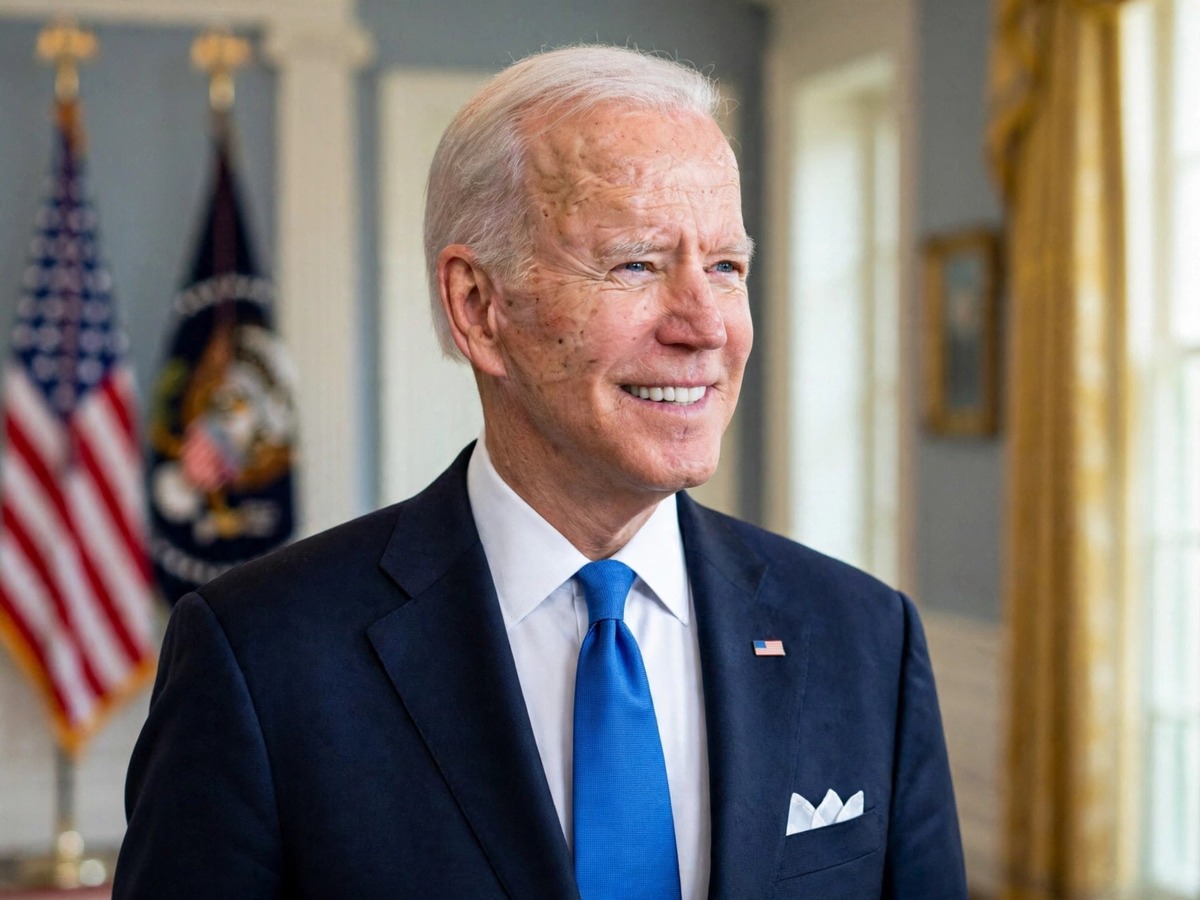
Two Michigan students wore “Let’s Go Brandon” sweatshirts to Tri County Middle School in 2022. Their mother had bought the shirts as Christmas gifts, but school administrators ordered the sixth- and eighth-grade boys to remove them. The slogan was widely understood as a stand-in for a profane insult aimed at then-President Joe Biden, even though the words printed on the shirts contained no profanity. The students complied rather than risk discipline, and their family sued. The school district said it was not targeting conservative views. It argued that officials could restrict a message they reasonably understood to carry a vulgar meaning, while noting that students had reportedly worn other political clothing, including apparel supporting President Donald Trump. The clean spelling, apparently, did not survive the school’s translation service.
The Supreme Court Declined to Step In
The Supreme Court declined to hear the family’s appeal, leaving the Sixth U.S. Circuit Court of Appeals ruling in place. The petition was filed in March, received briefs from First Amendment advocates, and was considered after the justices returned from summer recess. The justices did not explain why they refused review. That detail matters. A refusal to hear a case does not endorse the lower court’s reasoning, and it does not create a new nationwide Supreme Court precedent. Still, the practical result is clear for now: the Sixth Circuit’s 2-1 decision remains controlling in Michigan, Ohio, Kentucky, and Tennessee unless a future case changes the rule. One short order can leave a very long shadow over school hallways.
What the Sixth Circuit Majority Decided
The appellate majority concluded that school officials reasonably understood “Let’s Go Brandon” as vulgar and could prohibit it despite its political message. In that view, administrators do not have to ignore a euphemism’s commonly understood meaning simply because the literal words are clean. The dissent saw a serious constitutional danger. Judge John Bush wrote that the slogan contains no explicit profanity, sexual content, or graphic imagery. He described it as an indirect form of political criticism and argued that the majority used the wrong legal standard to allow its suppression. The disagreement is not a minor dispute over dress-code wording. It asks whether officials may punish ordinary language whenever they believe listeners will mentally translate it into something offensive.
The Question Schools Still Have to Answer
Public-school students do not have every freedom adults enjoy on a street corner. Supreme Court precedent allows schools to act against genuinely disruptive, lewd, or school-sponsored speech in circumstances that would not justify censorship elsewhere. At the same time, students do not surrender all constitutional rights at the schoolhouse gate. This case leaves the difficult line between those principles in place. A political message can be forceful, cheeky, and offensive to some people without being profane on its face. The unresolved concern is whether school officials may regulate the actual words on a shirt or the meaning they assign after looking behind those words. That is a broad amount of power to hand any bureaucracy with a dress code and a theory of what students really meant.
WE’D LOVE TO HEAR YOUR THOUGHTS! PLEASE COMMENT BELOW.
Leave a Comment