
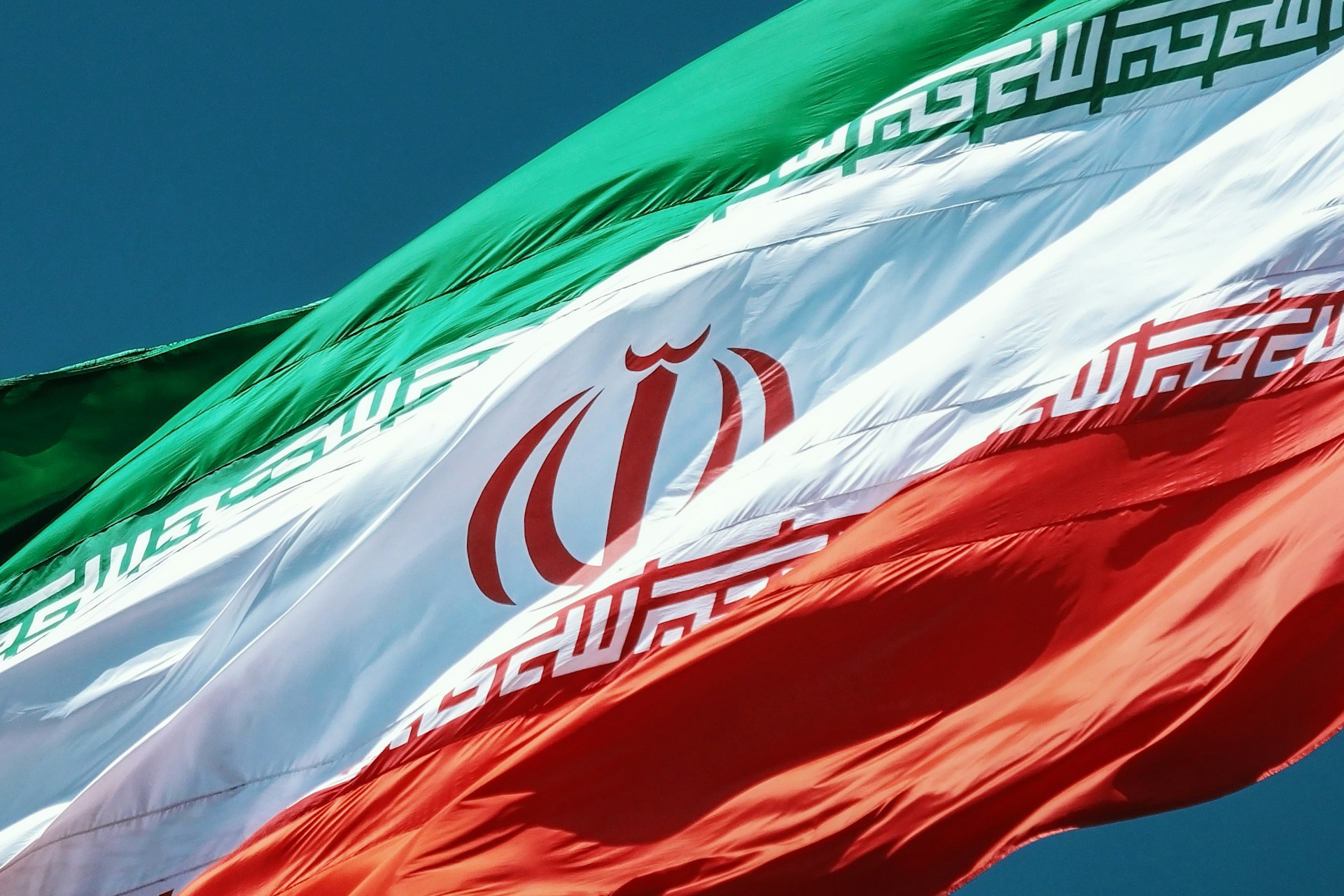

President Trump’s administration is preparing to dramatically tighten the economic screws on Iran, with Treasury Secretary Scott Bessent outlining an aggressive campaign designed to sever the Iranian regime from virtually every remaining financial lifeline.
The strategy, described by President Trump as an “ECONOMIC D-DAY,” comes after weeks of stalled negotiations and nearly six months of ongoing conflict. President Trump announced the move on August 19, arguing that Tehran had been given ample opportunity to reach an agreement and had instead chosen confrontation.
“No one has given the Islamic Republic of Iran a greater opportunity to make a Deal than me. TRAGICALLY, for them, they have failed to take it. Therefore, today, I am announcing the MOST CRUSHING ECONOMIC OPERATION EVER TAKEN AGAINST ANY COUNTRY! This will be Economic Warfare and Isolation on an unprecedented scale,” President Trump wrote on Truth Social.
That is not exactly diplomatic fine print.
The administration’s plan centers on expanding secondary sanctions, meaning the economic pressure will not stop at Iran’s borders. Countries, banks, businesses and other entities that continue providing financial or commercial support to Tehran could find themselves facing serious consequences from Washington.
The targets reportedly include purchasing and transporting Iranian petroleum, facilitating money transfers, operating exchange houses, registering ships, supporting front companies and providing other mechanisms that allow Iran to keep money moving.
President Trump made the warning unmistakable.
“Today, I am also announcing that ANY country that allows its financial institutions, businesses, airports, or government entities to provide any type of lifeline to Iran will itself face TREMENDOUS Economic Consequences,” he said.
That puts governments and corporations dealing with Iran in an uncomfortable position: continue doing business with Tehran and risk losing access to the economic power of the United States.
Bessent has described the objective in similarly sweeping terms.
“The President has created the conditions to leverage every agency, every authority and action many assumed we would never summon. Our objective is to sever every economic lifeline that sustains the tyrannical regime until Tehran stands alone,” Bessent wrote in an opinion piece for the Financial Times.
He also warned countries that believe accommodating Tehran is the safer option to “consider the consequences of sustaining it.”
The administration is pairing the financial campaign with an existing naval blockade and previous sanctions. Bessent described that combination during a CNBC interview as a “one-two punch,” while promising that the United States would bring its “full might and force” against entities continuing to conduct prohibited business with Iran.
The basic strategy is straightforward: military pressure can destroy capabilities, but economic pressure can make rebuilding, financing operations and maintaining international commercial relationships increasingly difficult.
It also sends a message well beyond Tehran. President Trump is effectively telling governments around the world that neutrality does not include quietly keeping Iran’s financial machinery running while Washington attempts to isolate the regime.
Full details are expected during the administration’s scheduled 2 p.m. Eastern Time press conference, but the direction is already apparent. Washington is preparing to make continued economic cooperation with Iran considerably more expensive, and countries attempting to play both sides may soon discover that the bill has arrived.
Leave a Comment